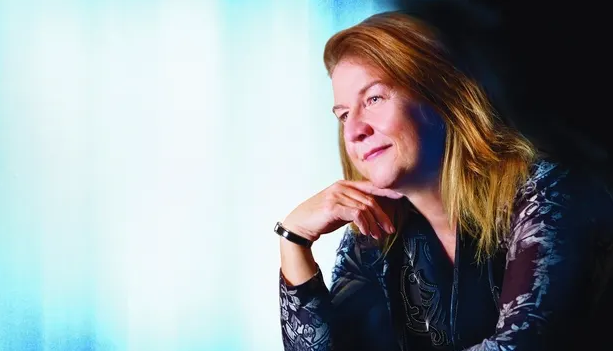
Amber White is a multi-talented illustrator based in North Hollywood, California. With a background in sculpture, special effects, and wearable art, she brings a whimsical, earthy flair to every project. At Tellwell, Amber works closely with authors to bring their stories to life through expressive and detailed illustrations.
Read on to get to know her better!
1. Hi Amber! Tell us a bit about yourself. Well hello, hello! I’m based out of North Hollywood, California. Outside of illustrating I work in sculpture and attempt to bring out creatures from natural elements to be worn as wearable art. I sell them online. I’m busy at home raising my three little boys, all under the age of eight. Through the year I am randomly brought back on board to my creature-creation film work as a special FX artist. I also do scenic work as well as various freelance art projects and body painting. It’s a constant eclectic, artsy, happy lifestyle. Plus I garden, a lot.
Avoid common pitfalls and craft a series that hooks readers from book 1 to the final page
Photo by Daniil Kondrashin
Photo by Nikita Skripnik
Photo by Craig Adderley
There’s nothing quite like the thrill of playoff season—and nothing quite like the anticipation of writing your dream book series. Authoring a series is a bold move and, like hockey’s iconic hat-trick, there’s something deeply satisfying about pulling off three strong books (or more!) that keep audiences cheering.
But just as no hockey star makes it to the top without strategy and discipline, series authors need more than creativity and ambition—they need a game plan. At Tellwell we love helping authors develop that winning strategy, and we’ve seen the challenges that can throw even the most passionate writers off their game.
So, whether you’re dreaming of a trilogy or plotting a ten-book saga, here are three common mistakes authors make when writing a series—and how to avoid them like a pro.
Mistake #1: Skating in Without a Character Arc
It’s tempting to jump into book 1 and let the story and characters unfold organically, especially for first-time writers. But without a clear vision for the series you could find yourself rewriting the first book halfway through book 3.
Why it Matters Characters grow. Plotlines twist. Themes deepen. But if your first book doesn’t lay a strong foundation, the rest can feel shaky. That’s why we always recommend knowing how your characters will grow. It’s easy to imagine how a story impacts an audience, but what are the story’s effects on its own characters? They should experience meaningful growth.
Pro Tips to Score Big
Create character sheets: Outline their core beliefs, internal struggles, and potential growth arcs. If each book features a different lead, show how they weave into the broader narrative.
Map out major turning points: Know where your story starts, where it’s going, and how each book builds the momentum.
Use contradictions: A character who’s loyal but craves freedom? That internal conflict can drive entire arcs if planned well.
Mistake #2: Saving All the Good Stuff for Later
If you’re promoting book 1 and someone asks, “What’s your favourite part of the story?” and you respond with something like, “Well, in book 2, which isn’t done yet . . .” you will have issues.
We get it. You’ve got amazing plot twists planned for book 2 and a jaw-dropping finale in book 3, but if book 1 doesn’t shine, readers probably won’t get there.
Why it Matters Book 1 is your first impression—your handshake, your game opener. It has to hook readers, stand alone, and offer a satisfying story. If there’s no spark in the opening period, you won’t be making the playoffs.
Pro Tips to Score Big
Build a self-contained plot within book one: It can tease future developments, but it must feel complete and satisfying.
Include your favourite scenes: Don’t save the magic—use it to entice readers now.
Test your pitch: If someone asks, “What’s your favourite part?” your answer should light up book 1, not a future draft.
Mistake #3: Forgetting to Market While You Write
We know many authors are deep in their manuscripts, and enjoy the writing process. But if no one knows book 1 exists, books 2 and 3 will be harder to push.
Why it Matters Marketing is part of your storytelling journey. It helps readers discover you, builds anticipation, and makes book launches feel like events—not surprises.
Pro Tips to Score Big
Start small: Even brief marketing sprints between drafts help build momentum.
Keep book 1 in the spotlight: It’s the gateway to your series—giveaways, excerpts, and promo posts can all funnel new readers into your world.
Think long game: Every reader who loves book 1 is a potential fan waiting to follow you through the whole series.
Final Whistle
Writing a series is a commitment, and a chance to build a world your readers never want to leave. With planning, pacing, and promotional power plays, you’ll be scoring your own author hat-trick in no time.
And remember: at Tellwell we love working with series authors. Whether you’re plotting your sequel or pitching a multi-book project, we’re here to coach, cheer, and champion your publishing goals.
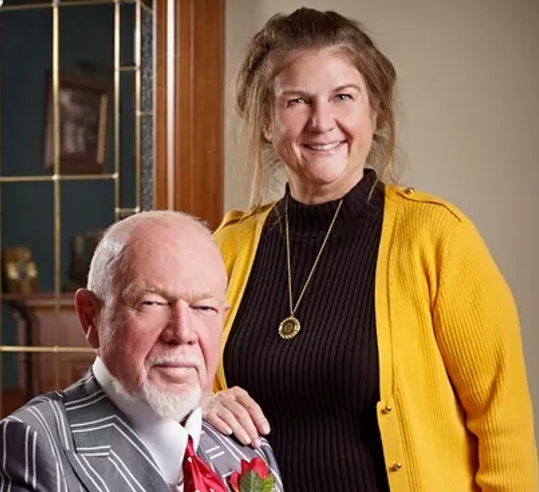
A loving daughter, animal advocate, and determined storyteller, Cindy Cherry leaves behind a powerful legacy with her final tribute to her father, Don Cherry
While hockey fans may know her as Don Cherry’s daughter, those closest to Cindy remember her as a passionate advocate for animal welfare and health causes. She was a founder of Don Cherry’s Pet Rescue Foundation, dedicating much of her life to saving and supporting animals in need.
At Tellwell, our Author of the Month features usually spotlight writers and their creative journeys. This month’s feature is a little different—and deeply special. It’s a tribute to Cynthia Margaret “Cindy” Cherry, an author, daughter, mother, and passionate advocate who left an indelible mark both in print and in life.
Cindy Cherry, the daughter of legendary hockey coach and media personality Don Cherry, passed away unexpectedly on July 15, 2024, at the age of 67. While the loss is felt profoundly by those who loved her, including her father Don, son Del, and brother Tim, it also reverberates through the Canadian literary and sports communities, who had only just begun to discover her voice through her debut book.
Cindy’s book, The Don Cherry Story, is not just another hockey biography. It’s an intimate, unfiltered, and fiercely loyal account of Don Cherry’s life as seen through the eyes of the person who perhaps knew him best. From his coaching days with the Boston Bruins to his decades-long tenure on Hockey Night in Canada, Cindy was there, taking notes and witnessing history unfold.
The book doesn’t shy away from controversy, including a candid account of her father’s highly publicized firing from Coach’s Corner in 2019. In a chapter titled “Poppygate,” Cindy offers her family’s side of the story, one of heartbreak, loyalty, and resilience.
More than a biography, the book is a love letter from a daughter to her father, and to the Canadian hockey culture that shaped them both. Released in April 2025, coinciding with the start of the Stanley Cup Playoffs, the book quickly soared to the top of several Amazon.ca categories, reaching #1 in Hockey Biographies, Memoirs, and New Releases.
While hockey fans may know her as Don Cherry’s daughter, those closest to Cindy remember her as a passionate advocate for animal welfare and health causes. She was a founder of Don Cherry’s Pet Rescue Foundation, dedicating much of her life to saving and supporting animals in need. Inspired by a rescue dog named Lucy, Cindy’s compassion extended beyond words and into tireless action.
In her youth, she made a life-changing decision to donate a kidney to her brother Tim, a gesture emblematic of the selflessness that would define her life. Cindy also spent over a decade working with the Kidney Foundation of Canada, championing awareness and support for those battling kidney disease.
Cindy’s passing came just as she was preparing to release not one, but two books. While she didn’t live to see her work in readers’ hands, her son Del and the Cherry family made sure her dream was realized. A second book, planned for release this Christmas, will continue Cindy’s storytelling legacy.
As Del poignantly said, “This is her story, through her eyes.” And through her eyes, we’re invited not only to see Don Cherry as a national figure but as a father, a mentor, and a man deeply rooted in family tradition.
We honour Cindy Cherry not only as an author but as a woman of conviction, compassion, and courage. Her book reminds the importance of telling one’s truth, and to the enduring power of love, compassion, and loyalty.
In her memory, a portion of the proceeds from The Don Cherry Story will support Don Cherry’s Pet Rescue Foundation, ensuring that Cindy’s legacy of kindness lives on.
Cindy Cherry reminded us that stories matter, especially the ones told from the heart. At Tellwell, we’re proud to have been part of her publishing journey and to celebrate her as our Author of the Month.
Every month, we love taking a moment to recognize the achievements of our Tellwell authors. This April we’re celebrating five-star reviews and a well-earned award, and spotlighting one of our incredible storytellers.
Let’s look at some of the highlights and give a round of applause to the authors who continue to inspire us!
Publicity
Tellwell author Cindy Cherry has been making headlines with her book The Don Cherry Story, a heartfelt tribute to her father. Featured in Toronto Sun and Yardbarker, the book is a celebration of Cindy’s life with the iconic hockey coach and commentator.
Don Cherry, one of Canada’s most well-known and controversial figures, is best known for his outspoken opinions on hockey and politics. Cindy provides a frank account of his career, from his days as a player and coach to his rise as a broadcaster, and his impact on the hockey world and his family.
In a moving social media post, Don Cherry expressed, “This year has been the hardest of my life. I miss her every day, but I know she’s with me in spirit.”
This new book adds a personal layer to Cherry’s career, shedding light on his life beyond the public persona and offering an intimate look at a complex, influential figure.
Book Award
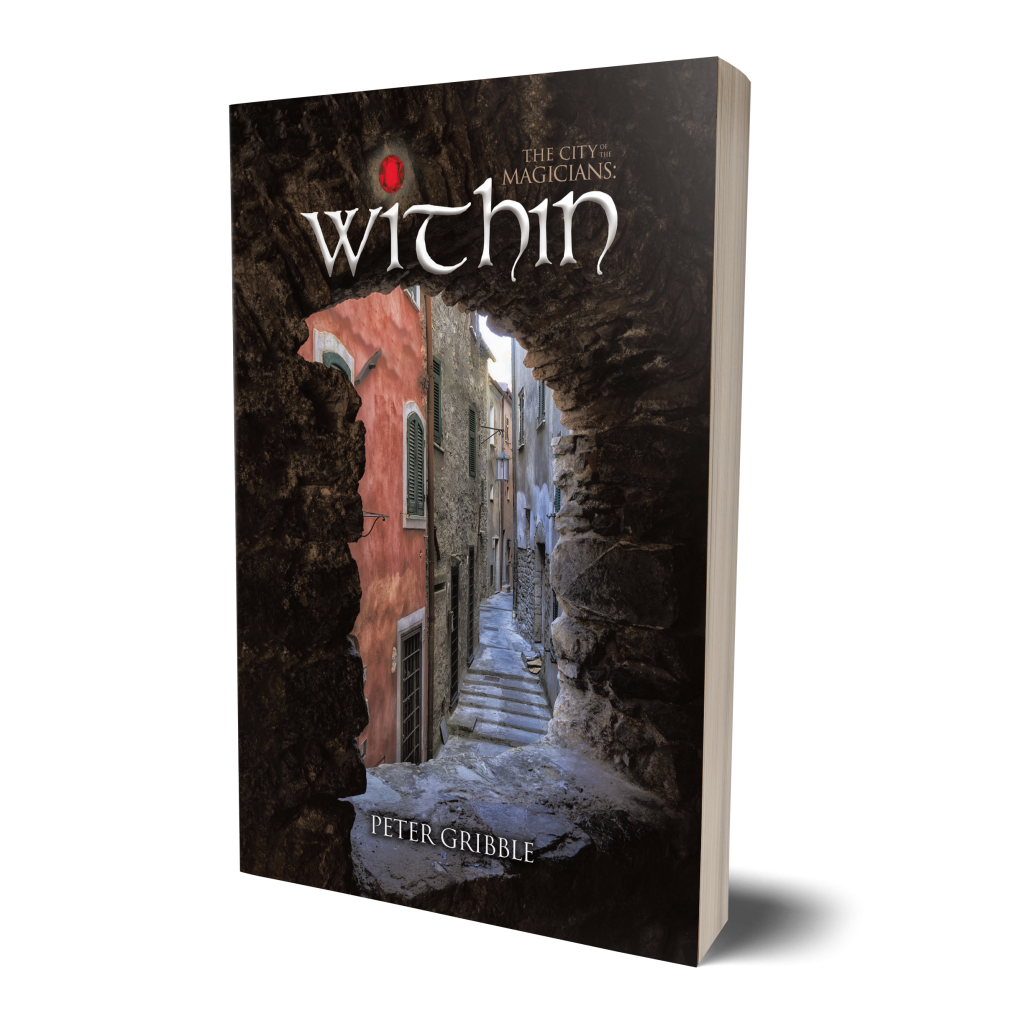
We’re happy to share that Peter Gribble has won a Gold Medal fromThe BookFest Awards in the Literary Sci-Fi & Fantasy category for his book Within.
Within is a richly imagined story that blends speculative fiction with deep, literary themes—truly a standout in its genre. Peter’s has published three books with Tellwell in the City of the Magicians series: Threat, Within, and Quickening.
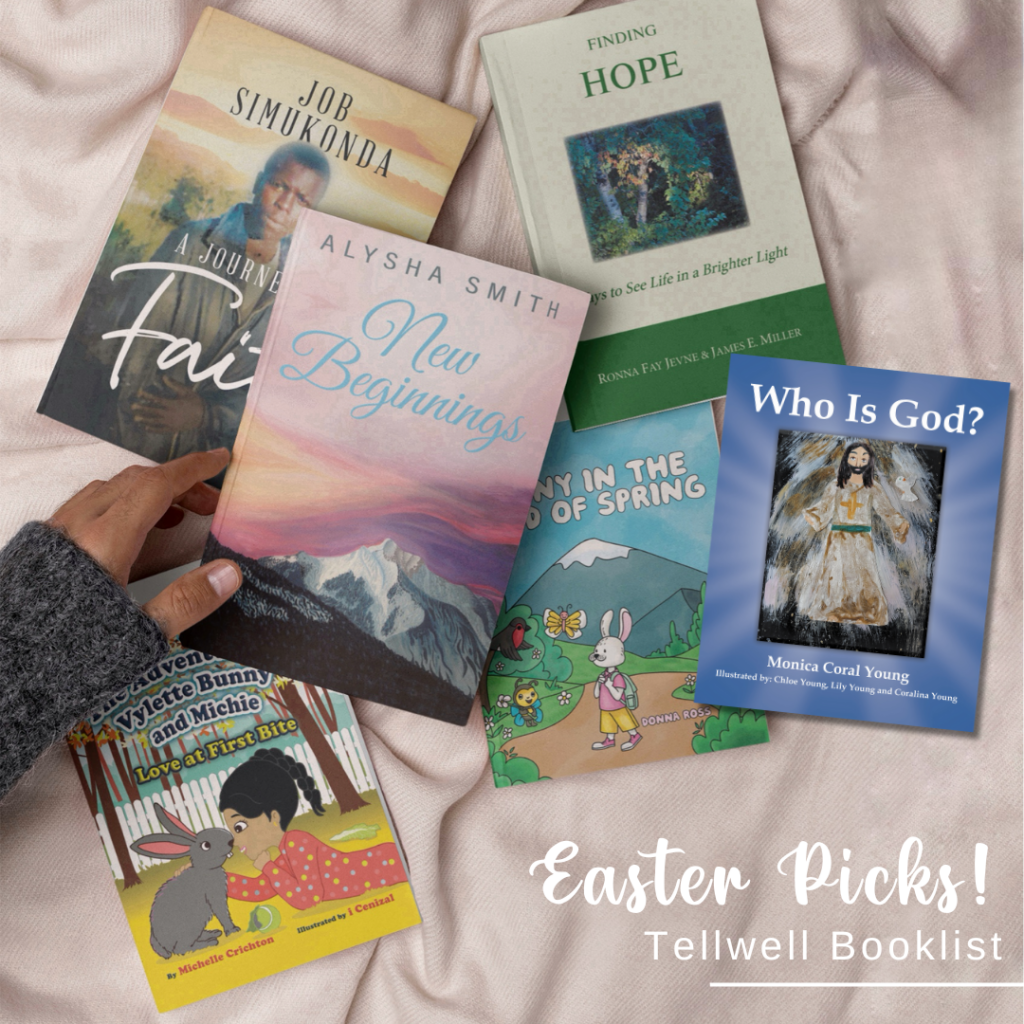
As we welcome the Easter season, it’s the perfect time to slow down, reflect, and enjoy a meaningful read. Whether you’re looking for stories of hope, healing, or personal transformation, these books offer thoughtful perspectives that resonate with the spirit of renewal Easter brings.
New Beginnings by Alysha Smith
New Beginnings is a no-holds-barred collection of personal stories, sharing my truths, lessons, and insights to inspire and support you on your own journey. Written for moms, those who’ve faced loss or abandonment, and anyone struggling to live with purpose, this book is for you. You matter, you are loved, and I hope you find your passion and live it every day. Thank you for letting me be part of your journey.
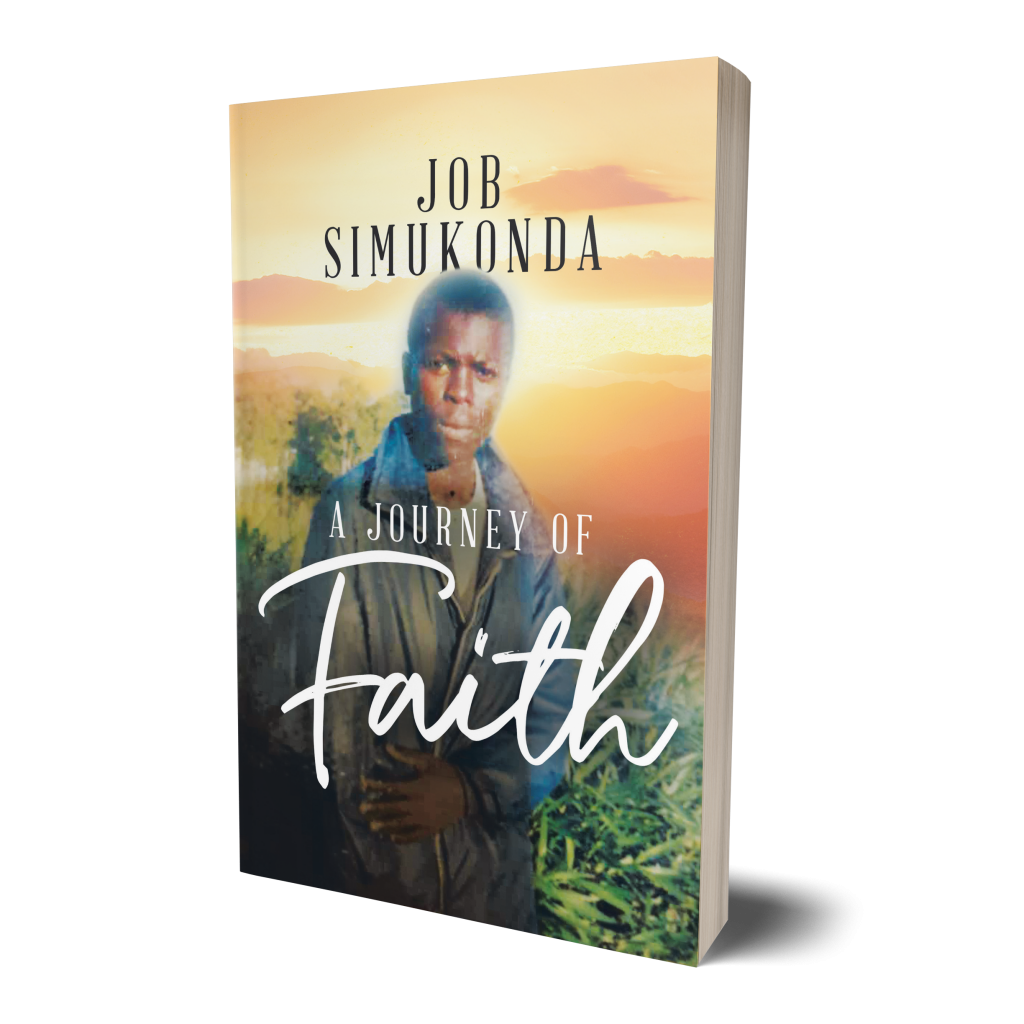
A Journey of Faith by Job Simukonda
A Journey of Faith shares a true story of struggle, patience, and unwavering faith, revealing the transformative power of God’s grace. Through prayer and trust in God, anything is possible, and you have the power to shape your own destiny. Job Simukonda’s life journey offers practical examples of how faith can elevate, inspire, and impact countless lives, as he continues to be guided by God’s grace in his ministry.
Looking to add something new to your reading list? Our April giveaway features a couple of standout titles from Tellwell authors—stories worth exploring!
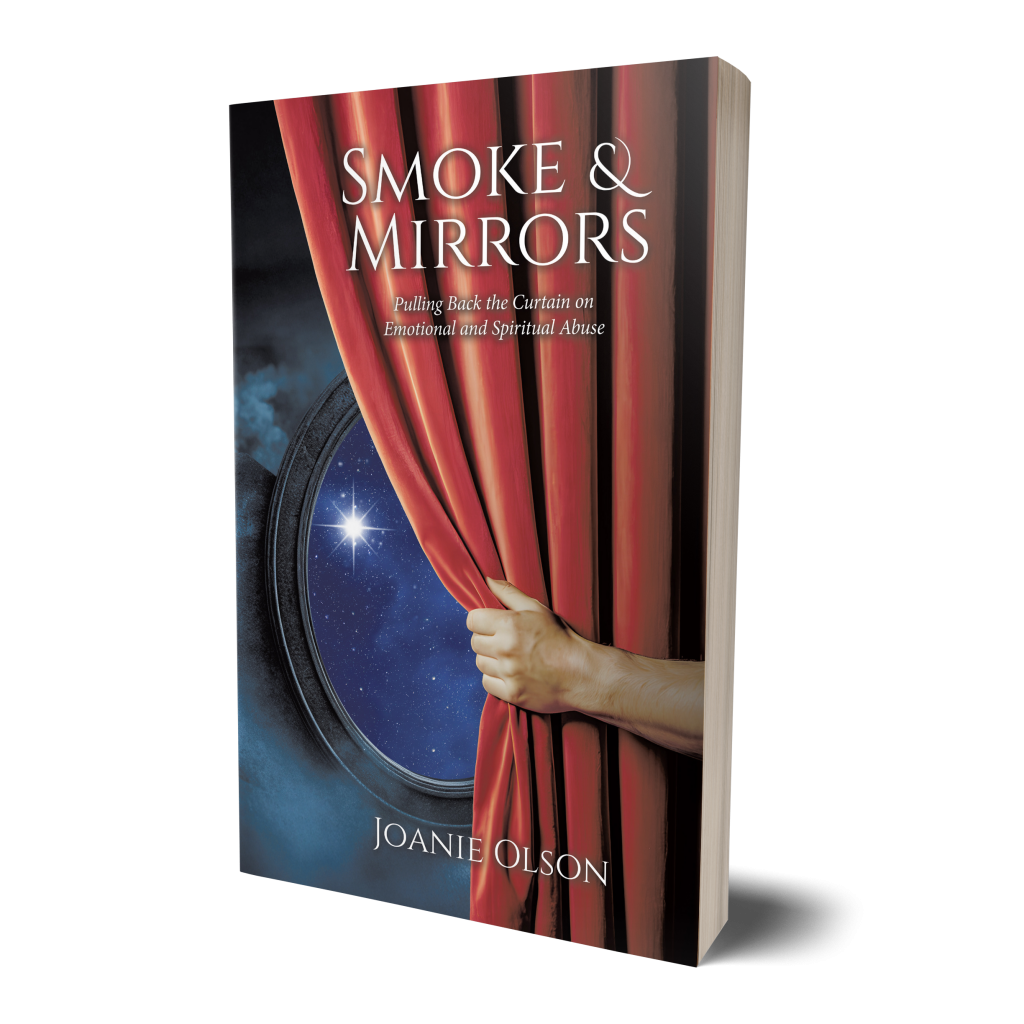
Smoke and Mirrors by Joanie Olson
What if one realization could unravel everything you thought you knew? In her powerful memoir, Joanie Olson shares a deeply personal journey through narcissistic abuse, complex PTSD, and spiritual awakening. From the highs of the Freedom Convoy to the heartbreak of a failed longtime marriage, this raw and honest account invites readers to uncover hidden truths and begin their own path to healing.
Searching for an answer to a question you haven’t asked yet? You are not alone. One small realization and a whole world unravels.
Woven through these pages are a series of my most significant life events relating to narcissistic victim/survivor syndrome. Inside are keys unlocking mysteries of complex PTSD, compounded through various forms of abuse.
A journey of highs, like the Freedom Convoy, and the lows of a failed longtime marriage. With spiritual forces at work behind the scenes, could a Christian home have so many secrets? The smoke will clear to reveal our true mirrored self.
Day of Reckoning Seisan no hi by Don S Hunter is a powerful psychological novel about six people navigating the trauma of losing loved ones to unsolved murders. Guided by a group psychotherapist, they confront grief, buried truths, and a flawed justice system. A gripping story rooted in real-life experience, filled with emotion, insight, and unexpected turns.
Illustration by Jamie Jamandre Trani, Tellwell Illustrator
At Tellwell, we’ve had the privilege of collaborating with some truly exceptional creatives. Veronika Hipolito, one of our amazing illustrators, and Gerardo Basilio Faelnar, an outstanding illustrator and designer, sadly passed away recently in a tragic motor vehicle accident while on their way to a short vacation together. Their loss is deeply felt throughout Tellwell. Their beautiful contributions will leave a lasting imprint, not only on the books they helped create, but on the whole company as we honour their lives and generous spirits.
In remembering Veronika and Gerardo, we reflect on the mark they made through their talent, dedication, and passion for storytelling. Their work brought stories to life, inspired readers, and became a vital part of our creative journey at Tellwell.
This tribute looks back at some of their most memorable projects—the ones that resonated deeply with readers and became team favourites. Through their art, their spirits continue to shine.
This April, we’re shining the spotlight on one of our talented editors here at Tellwell—meet Jen! She plays a key role in helping authors bring their stories to life, guiding them through the editing process with care, expertise, and a true passion for storytelling.
Read on to learn more about Jen and her role at Tellwell.
How did you get into professional editing?
Throughout my life, editing and I have taken turns
finding each other.
In elementary school, unasked, I would politely point out any errors I noticed in my teachers’ written materials. In high school, people were always showing me their angsty love poems and love letters and asking if I thought they should send them or if they should change any of the wording first for greatest effect. I would advise them to take out the cliches and build on the specifics. In university, as a student of English Literature, I was the one everyone asked to edit their essays at 2 a.m. For a summer I taught English in Japan where, while waiting at an airport in Tokyo, a pilot sat down beside me and silently handed over a pile of papers and a pen. Through hand gestures and facial expressions, I grew to understand that he was asking me to edit his flight notes. I did so, happily. But how did the pilot know to ask me?
This March, let a new book take you on an unforgettable journey! Whether you crave adventure, mystery, or inspiration, there’s a story waiting just for you.
Enchanted tales of love and mystery
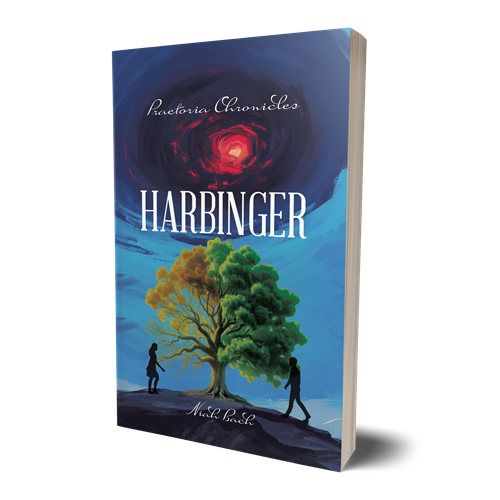
Can a princess defy fate and forbidden love to save her kingdom? Discover the secrets of Harbinger by Niah Bach!
In Praetoria, the elite do not have any special talents. Then why is it the only imperial princess is having vision-like nightmares? These dreams foretell the destruction of her world and the death of her family, and every day they gain strength in their horror.
The return of a particular imperial rook changes the tone of her dreams, providing her with much needed relief. But this too is perplexing, for he is a rook and she an elite. The law strictly forbids a union between the two.
Yet four little female moiohs scheme to bring them together, providing the path to secure their future, a future threatened by traitors who would use the princess as a way to steal her father’s throne.
This month authors have reached exciting new milestones, from launching books to earning well-deserved recognition. March has been filled with inspiring moments in the literary world—let’s take a look at some of the highlights.
Publicity
A story of survival, resilience, and an unbreakable bond. Richard K. Lowy’s Kalman & Leopold: Surviving Mengele’s Auschwitz shares the powerful true story of two boys who endured unthinkable horrors, were separated for 56 years, and found their way back to each other. Featured in North Hollywood news, this book is a vital reminder to preserve history and stand against rising antisemitism.
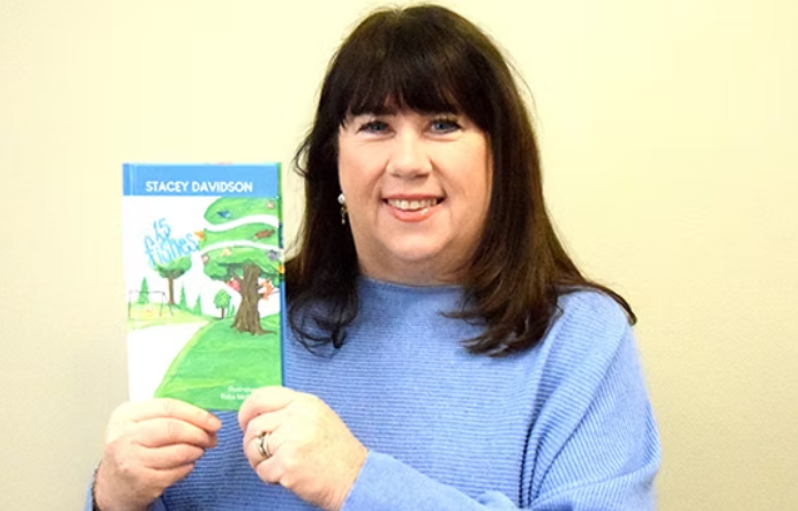
Amherstburg resident Stacey Davidson has turned a long-held idea into reality with 15 Fishes, her debut children’s book. Inspired by a fleeting moment nearly two decades ago, her story is a testament to the power of creativity. Featured in River Town Times, Davidson shares her journey from inspiration to publication—and she’s just getting started!