Category : Uncategorized

Author of the Month Uncategorized

Author of the Month: Calvin Engen

Where Consciousness, AI, and Time Converge: Calvin Engen on The Infinity Formula

In this month’s Author of the Month interview, Calvin Engen discusses the unexpected moment that sparked the book, his evolving ideas about consciousness and AI, and why he believes humanity’s technological future also calls for greater awareness, purpose, and intention.

The ideas expanded beyond that initial experience into questions about technology, artificial intelligence, existence, and our relationship to the source of it all.

Calvin Engen

The Infinity Formula begins with what you describe as a single deliberate thought that eventually grew into an entire way of understanding consciousness, time, technology, and existence. Do you remember the moment that idea first took hold, and when did you realize it could become a book?

I recall it vividly. I was sitting on the couch watching a movie with my wife when my mind began to wander. I became aware of my own thoughts, observing them and almost feeling them as they unfolded. As I paid closer attention, time seemed to slow down.

Then this profound thought came rushing through my consciousness. Thought is unfolding through time, and consciousness is the experience of that unfolding. I grabbed a piece of paper and began writing what would become the formula. I was trying to capture this relationship between consciousness, time, and the universe, with an acceleration happening around us and through us toward infinity.

I left the paper in my office and returned to it the next morning. What stayed with me wasn’t just the equation, but what it might mean. Over the next couple of weeks, I carried that piece of paper with me and began exploring human experience and the progression of humanity through this lens.

Eventually, I felt I needed to share it, as if I’d opened something that could not be contained. I didn’t initially know what form that would take, but as I built an outline and began writing, it became clear that it was becoming a book.
At the centre of the book is the formula U=S(C×T)A→∞U = S(C × T)^A → ∞. For someone encountering it for the first time, how would you explain what the formula represents—and why was an equation the right metaphor for these ideas?

The Infinity Formula is a lens to look through and live into. It brings together the book’s central ideas, the Source, consciousness, time, and acceleration, and explores our experience of the universe as an unfolding movement toward infinity.

For me, its value is in how you experience those ideas. What happens when you become more conscious of your thoughts? How does that change your experience of time? How do you find connection and meaning in a world that keeps accelerating?

The idea first came to me as an equation, so sharing it in that form felt natural. It gave me a foundation to build from and a thread for readers to follow throughout the book. It isn’t an equation to solve. It’s an invitation to explore.

You make an important distinction early in the book that terms such as “simulation,” “Source,” and even the formula itself are philosophical lenses rather than scientific claims. Why was establishing that distinction so important to you?

I wanted to be clear about what I was offering and make the book accessible. Words like “simulation” and “Source” can carry strong associations. They can create curiosity, but they can also cause someone to feel that they’re being asked to accept a particular belief.

My intention is to offer a perspective that readers can explore through their own experience. Being clear that these are philosophical lenses gives people room to question, reflect, and decide what resonates with them.

I wanted the book to open a conversation. Readers should be able to engage with its ideas without feeling they have to agree with every part of them.
Artificial Intelligence occupies an unusual place in the book: it’s part of humanity’s technological acceleration, but you also describe AI as a kind of mirror. What do you think AI is revealing to us about human consciousness and about ourselves?

When I describe AI as a mirror, I’m thinking about how much of humanity we encounter in it: our language, knowledge, creativity, contradictions, and biases. We’re creating something from the traces of human thought, and then engaging with those reflections in a new way. After all, most if not all large language models are trained on human content.

That experience raises deeper questions. What does it mean to understand something? What is the difference between producing an answer and having a lived experience? What gives our thoughts meaning?

I don’t see that mirror as proof that AI is conscious—it’s more of a mimic in it current form. I see it as an opportunity to pay closer attention to our own consciousness and to what we value about being human.

AI also reflects our intentions through the ways we choose to use it. As technology accelerates, those choices matter. For me, the question becomes, How consciously are we participating in what we’re creating, and what do we want to carry forward?

Were there any moments during the Tellwell process, whether through editing, design, formatting, or working with the team, when you saw the book differently or made a decision that ultimately strengthened the finished work?

The editing process was the most valuable part for me. It took the greatest amount of time and reflection, but it helped me bring the manuscript closer to what I intended the book to be.

When you’ve spent so much time with an idea, you carry context that the reader doesn’t yet have. Editing helped me look more closely at that gap, at where I needed to slow down, make cuts in repetition to improve the flow, clarify a thought, or give an idea more room to breathe. 

I wanted to preserve the reflective, poetic quality of the writing while making the journey easier to follow. That balance strengthened the book and helped me understand that clarity is part of how you honour the original idea.
Now that you’ve gone through the process from manuscript to published book, what advice would you give another author considering working with Tellwell, or simply preparing to publish a complex, deeply personal book of their own?

Take your time. Give yourself space to step away, reflect, and return to the manuscript with fresh eyes. Especially with a deeply personal book, it helps to put yourself in the reader’s position and ask whether the words on the page carry what you’re trying to share.

Be open to feedback and clear about what matters most to you. Working with an editor is an opportunity to understand your own work more deeply and help it reach someone else.

And eventually, trust yourself enough to let it go. You can keep refining forever, but there comes a point when you recognize that the book says what you needed it to say. Trust that moment and let readers begin their own experience with it.

Check out the book on Amazon

Read More
Uncategorized

Author of the Month: Peter Gribble

Award-winning fantasy author explores pacifism, unintended consequences, and the living worlds that emerge when characters take control of the story.

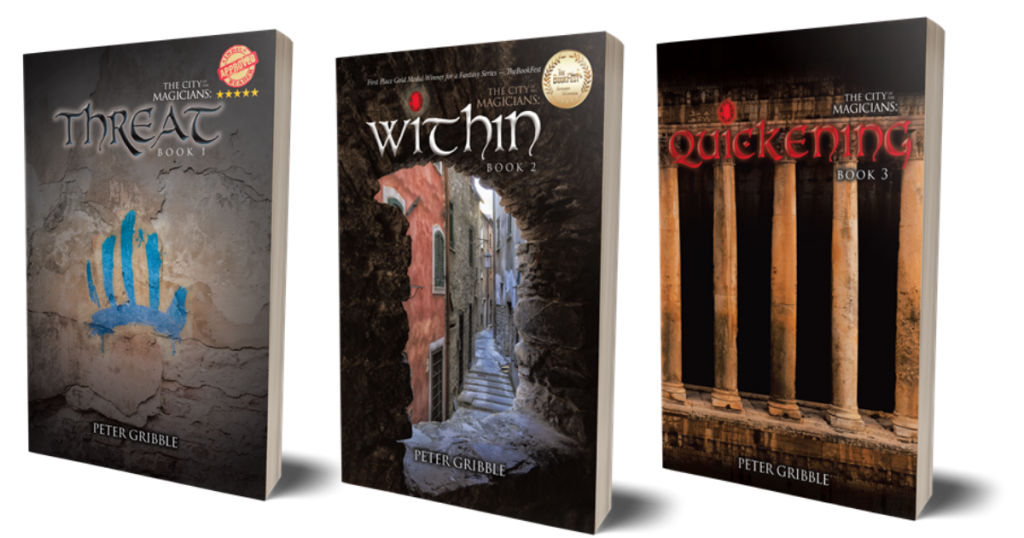
In this month’s interview, we speak with Peter Gribble about the experiences that first inspired the City of the Magicians series, his unconventional approach to fantasy storytelling, and the surprising ways characters can take control of a narrative. We also discuss the challenges of worldbuilding, the creative process behind a growing series, and the publishing journey that transformed a lifelong writer into an award-winning author.

I drew maps, invented their glyphic script and created family histories. Writing improved the information. Items became essential plot devices, spawning fresh arcs. As the story unfolded, everything drew together into a living, seamless whole.

Peter Gribble

The central premise of The City of the Magicians asks whether a pacifist society can survive a violent threat. What first drew you to explore that question in a fantasy setting?

Thousands of little white crosses stretching to the horizon shocked me, a nine-year-old boy, visiting the WWII memorial sites in Normandy. It was my second summer in France and I attended an international French school for NATO and diplomatic corps kids. First day at school, my mother firmly told me, “There was a war. Germany lost. You do not talk about it.” It was a schoolyard courtesy. So I was unprepared for Normandy’s vast acreage of commemorated death. An inarticulate outrage woke in me that day and I was never the same.

Once back in Canada, I read up on the wars and researched the pacifist movement Mahatma Gandhi started, which Dr. Martin Luther King Jr. further developed. The more I studied, the more my sympathy for pacifism grew, but doubts mounted as well. My cautions needed exercise. Decades would pass before I ever considered writing about it, but the visit to Normandy was the seed for The City of the Magicians.

A fantasy setting permitted a broader freer exploration of the pacifist-society-facing-an-invasion idea. Most Citizens of the City inherently understand that the magical dynamic of daily existence supports a pacifistic outlook, but feeling complacent and comfortable, few see the need to observe or practice this more than superficially. As crises metastasize over the three books, some Citizens grow aware that something larger has been gestating all along.

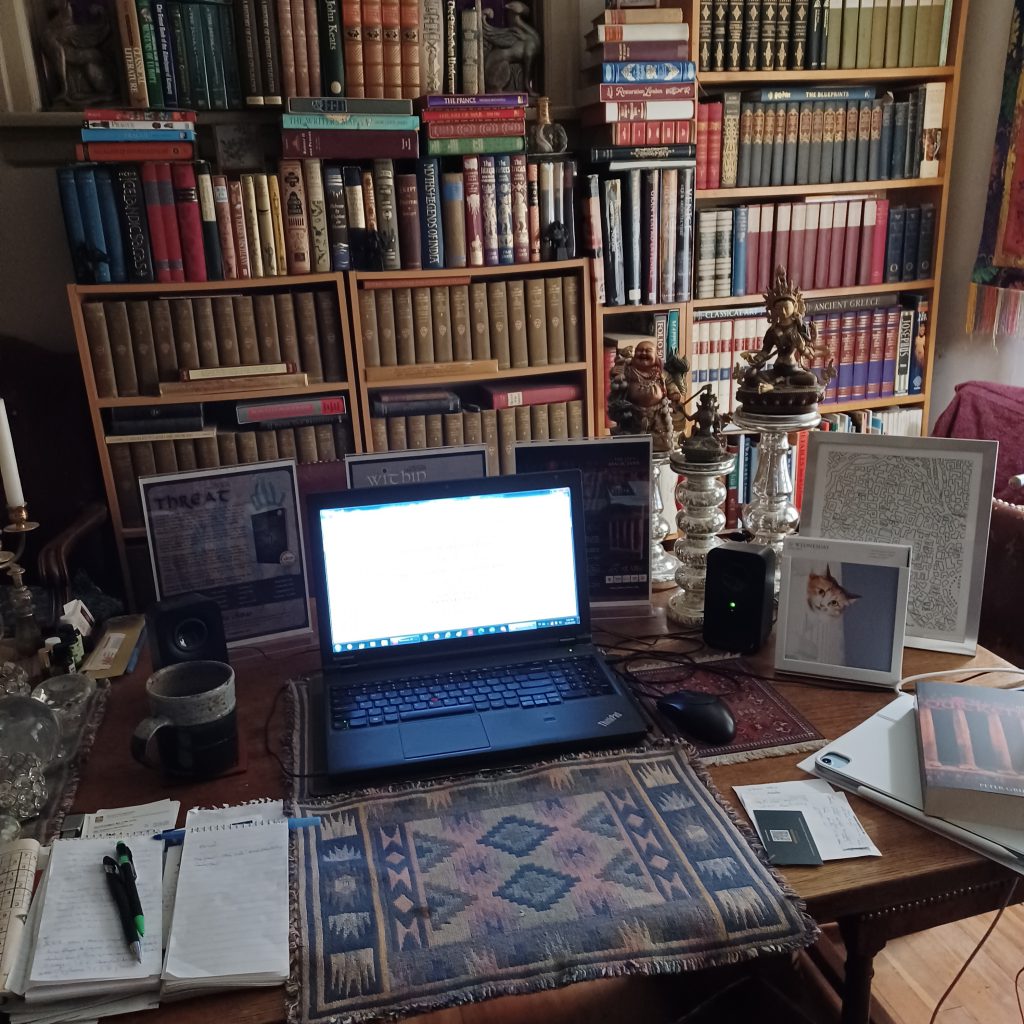
Where I write.

The series avoids many traditional fantasy tropes, focusing more on strategy, culture, and social change than epic battles. Was that a conscious decision from the beginning?

Yes! From the beginning, I wanted to avoid traditional tropes such as the Hero’s Journey and epic quests and battles. So, I thought, The City is the journey’s end! Quests and battles are done! You’re home! Yet when the visitors are Purdu the barbarian and his invasion forces, how long can this civic tradition hold up? The battles end up being for hearts and minds, not for glory on the field. Shoan, the City Council Strategist, resorts to manipulations, prevarications, manoeuvres, and feints—tools that can compromise the very integrity he hopes to preserve.

Throughout the books, plans frequently unravel because of unforeseen events. Do you see uncertainty and unintended consequences as one of the series’ major themes?

Yes, absolutely! It is an aspect of existence that we tend to ignore or adapt to without exploring its underpinnings. As the story grew, there was no need to map it out. It was a regular pulse of surprise and suspense, revelation and reversal as the City and the characters undergo a gradual, imperceptible maturation (as did I the writer!) There are clues along the way. Some are spotted, many are missed. As the denouement at the end of Quickening approaches, Sas, the main protagonist, and one other begin to glimpse what’s truly happening.

The City of the Magicians feels like a living society with its own history, institutions, and internal conflicts. How much worldbuilding existed before you began writing, and how much emerged during the process?

Long before City, facts and ideas accumulated over the years for no particular reason except I found them interesting: Ottoman love poetry, medical oddities, curses in dead languages, a medieval recipe for eels, the Black Prince’s Ruby, Madame de Sévigné’s letters to her daughter, and so forth. These were real stories, true events, actual practices from a broad range of sources. It is a wide, ever-growing, loose assemblage of quirky facts without a central theme. When City sprang to life, it drew on this cluttered library and quickly possessed a cultural mass that was surprisingly present and immediate. I drew maps, invented their glyphic script, and created family histories. Writing improved the information. Items became essential plot devices, spawning fresh arcs. As the story unfolded, everything drew together into a living, seamless whole. This process continues as I work on the second trilogy of the series. Details spontaneously emerge, fitting naturally into place as if tailor-made. It’s like a jigsaw puzzle with ever-multiplying pieces and no photo on the front of the box for guidance. For me, this is creativity at its mysterious best.

An example: a brief paragraph and illustrations in a high school introductory book on astronomy showed how the skies could be measured with your fists and fingers—astronomy without telescopes. The idea sat in the back of my mind for years until City was born and it neatly delineated the City’s level of technology, roughly equivalent to the late Middle Ages or early Renaissance. From there, a long plot arc sprang fully formed where Gleswea, the City astronomer, would travel south to view skies she’s never seen before. It sets her destiny and changes her life and the life of an entire people.

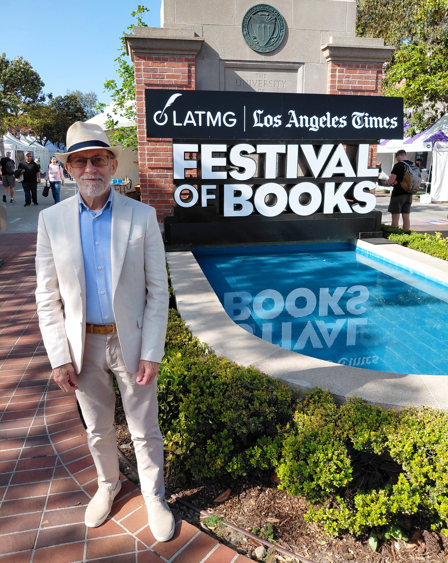
Attending the Los Angeles Festival of Books.

You have described writing as a process of listening to your characters. Was there a moment in the trilogy when a character took the story somewhere you hadn’t originally intended?

Yes. In book 1, Threat, Sas discovers how badly he’s been manipulated and is about to go up to his rooms and sulk, when out of the blue a voice wrote itself onto the page: “Sas!” called a familiar voice from above. “Come up and have your meal in my rooms. I wish to talk to you.” It was his aunt. I always knew she had a part to play but she inserted herself right then and there, piling more responsibilities and expectations on poor Sas, making that chapter a much better read than I had planned. There was no room for solitary sulking!

Even more startling was when the writing grabbed me by the throat and told me to write something completely different. When I was sketching out the final chapter of Quickening, wrapping up the loose ends: the baby is safely delivered, the wedding goes off without a hitch, everyone comes home and all is well. Once mapped out, my little writing voice said, “Now that you’ve got that out of your system: write this!” I incandesced into a blaze of writing that possessed me in a ten-hour blitz of creativity—no breaks. I was beside myself, laughing, excited, and thrilled by this extraordinary final chapter, which was nothing I had ever imagined. Once done it was obvious the entire manuscript had to be yanked up to the standard of the chapter that had just landed on the page. This took an additional five years.

Do you have plans for future books you’d like to share?

Absolutely! After the last line of Quickening’s final chapter wrote itself, it was clear there were more books in the series, something I had never considered! I’m currently working on the second trilogy: books 4, 5, and 6!

What was the most important thing you learned through self publishing with Tellwell?

There are many important things I learned publishing with Tellwell. I spent roughly five years writing query letters to literary agents in North America and the UK with scarcely a nibble in reply. The self-publishing option made me leery. There were many companies out there, but most were coy about revealing themselves or their costs. Tellwell was the exception. Everything was upfront. Tellwell’s website displayed bios and pics of their team in all departments, an impressive range of talent and experience. Tellwell being located in Victoria, British Columbia, just across the water from Vancouver where I live was an instant plus! I took the ferry over to verify these remarkable people existed and met Simon Ogden, the man I very much wanted to edit City. The item in his bio that hooked me was that his father had an enormous collection of foreign language dictionaries—as do I! I’ve mentioned this before in a previous interview, but Simon’s guidance through the editing process was a masterclass in writing!

To summarize: First day in Grade 9 English class (Thank you, Mrs. King-Aboud!) I knew I was a writer, but Tellwell turned me into a published award-winning author. I am humbled by the achievement and deeply grateful to all the people along the way who helped make it possible.

For more on Peter Gribble and his books
visit his official website.

Read More
Author of the Month Uncategorized

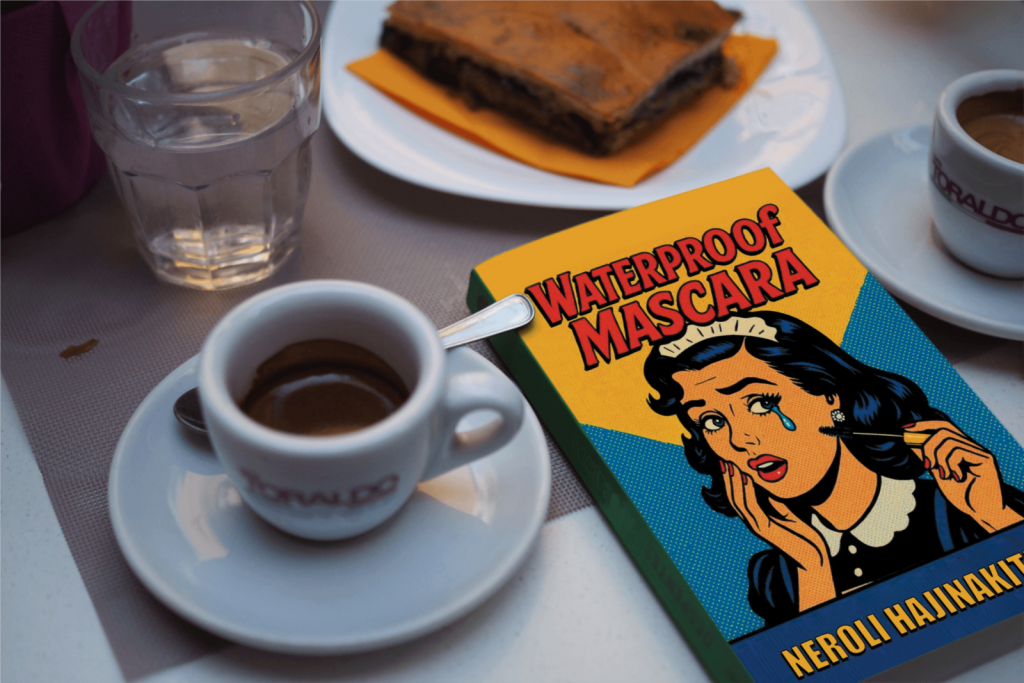
Author of the Month: Neroli Hajinakitas

Motherhood & Moving Forward: Inside Waterproof Mascara

Comedy doesn’t minimize trauma; it makes trauma survivable by giving you a different lens to view it through.

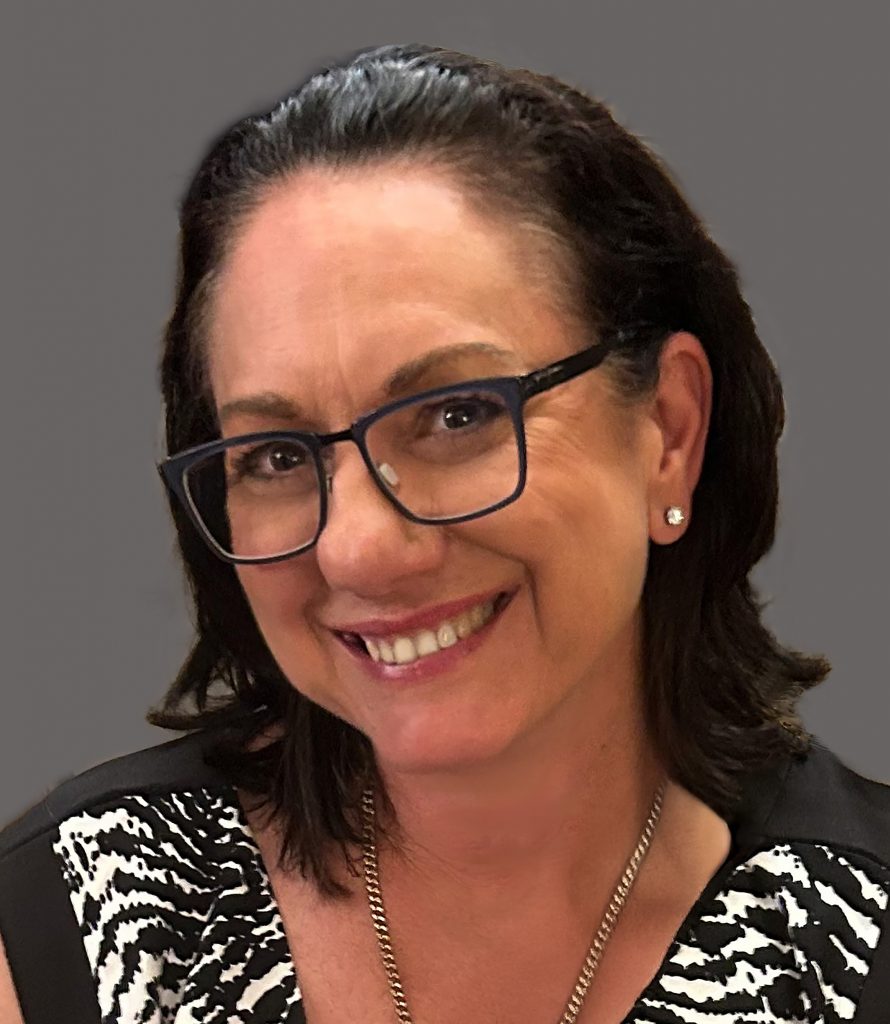
Neroli Hajinakitas

In this interview, Neroli opens up about writing through adversity and transforming personal struggles into comedy that resonates with readers. From the unforgettable “share house” to the truth behind the “Instagram version” of parenting, Waterproof Mascara reminds us that sometimes laughter is the best medicine.

With Mother’s Day around the corner, Waterproof Mascara feels like an honest and funny celebration of motherhood in all its chaos and unpredictability. What inspired you to write so openly about the realities of raising children, rebuilding your life, and finding humour in the messiest moments?

It started during a high-conflict divorce. My psychologist suggested journalling. I laughed—but I did what was asked. After the divorce was finalized following two and a half years of living hell, I kept journalling, but shifted focus to the comical things happening around me. Rebuilding meant redefining everything—from “wife” to “share-house maid,” from married to mortgage-holder, from couple to solo parent. In my fifties, living in what felt like a share house with teenagers and young adults, I’d lost my authority as a parent and become their maid. Far better than the slave I’d been whilst married, but that’s another story entirely.

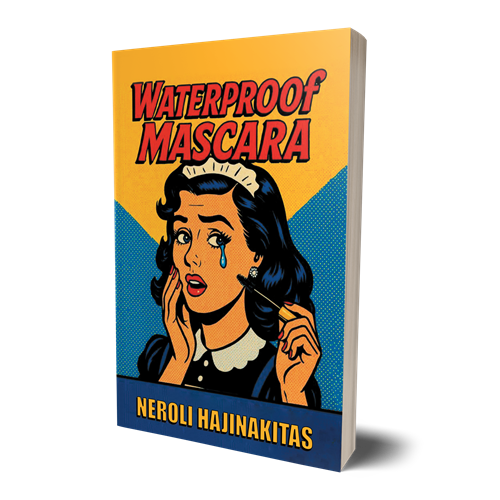
Neroli Hajinakitas’ Waterproof Mascara is a refreshingly honest look at motherhood, reinvention, and finding humour in life’s most chaotic moments. What began as a journal eventually evolved into a candid and deeply relatable book filled with wit, resilience, and the beautifully messy realities of family life. Get the book on Amazon.

The “share house” characters feel vivid and memorable. How much of their personalities came directly from real life, and how much was heightened for comedic effect?

The share house characters’ personalities are exact, with a little colour here and there for comedic effect. I’m known for telling a good story, but all stories need embellishment. The working title was Hyperboles of a Maid, which says it all really. The Knight, Thumbelina, the Little Prince, Wilma Washer, Doris Dishwasher—they’re all absolutely real. I’ve just given them the narrative treatment they deserve.

Your journey from struggling with dyslexia to becoming a published author is remarkable. How did past challenges shape your approach to writing a book?

By teaching me that there’s always another way to learn. I couldn’t read until I was twenty—labelled “stupid” throughout school—but completing my degree in adult education showed me alternative pathways exist. Learning about how adults overcome learning difficulties whilst simultaneously overcoming my own gave me unique insight into making complex ideas accessible. The degree taught me academic writing initially, but dyslexia taught me creative problem-solving—finding different routes to the same destination.

Do you find writing comedy helps you process difficult experiences differently than more serious reflection would?

Absolutely. Writing comedy processes difficult experiences differently than serious reflection because humour creates analytical distance whilst maintaining emotional honesty. Serious reflection can spiral into dwelling; comedy forces you to find the absurd angle, which is actually more truthful about how we survive impossible things. Finding the positive in what feels overwhelming aids traumatic recovery—my psychologist is now using my book as recommended reading for women struggling with similar situations. Comedy doesn’t minimise trauma; it makes trauma survivable by giving you a different lens to view it through.

Readers will likely see a bit of themselves in the beautifully messy moments throughout the book. What do you hope parents and families take away from reading Waterproof Mascara?

I hope parents and families take away the ability to sit back, laugh, and know that we all have the same struggles. The Instagram version of parenting is a lie. The reality is dishes that don’t self-clean, teenagers who believe Wi-Fi is a human right, and washing machines that hold grudges. If my mess helps someone else feel less alone in their mess, that’s the whole point. Good enough is genuinely good enough.

What was the biggest thing you learned during the publishing process that surprised you?

That writing the manuscript is the easy bit. What happens behind the scenes to publish a book is a whole new world—interacting with editors, cover designers, interior designers, organizing book launches, navigating marketing, understanding the world of online publishing . . . who would have known so much was involved? I loved every minute, even the stressful parts. Turns out getting a book from brain to bookshelf requires an entire village of professionals who understand things like ISBN numbers and metadata that I still don’t fully comprehend.

Get the book and read more on
WaterProofMascara.com.au

Read More
Meet the Team Uncategorized

Meet Debbie, Book Publishing Consultant

In today’s Meet the Team we talk to Debbie, one of Tellwell Publishing’s dedicated book-publishing consultants.

Passionate about helping aspiring authors bring their stories to life, Debbie works closely with writers as they begin their self-publishing journey. From answering questions to offering guidance and encouragement, Debbie is committed to making the publishing process feel clear, supportive, and exciting for every author he works with.

Read on to learn more about his role at Tellwell.

Can you tell us a little about your role as a book-publishing consultant at Tellwell, and what a typical day looks like for you?

I help aspiring authors take the first steps toward publishing their books. My role involves listening to their stories, understanding their goals, and guiding them through the self-publishing process in a way that feels exciting and manageable.

A typical day includes speaking with authors through calls and emails, answering questions, discussing their book ideas, and helping them understand the support available to them. What I enjoy most is meeting passionate writers from different backgrounds and being part of their publishing journey.

Read More
Book Giveaways Uncategorized

This April’s Book Giveaway Picks Are Here

This April, we’re wrapping up the month with a new set of stories to discover. Our latest book giveaway features a mix of powerful non-fiction, heartfelt memoirs, and inspiring reads that reflect resilience, growth, and real-life journeys.

Each title offers something different, but all share one thing in common—stories that stay with you long after the last page.

Searching for your next favourite non-fiction read?

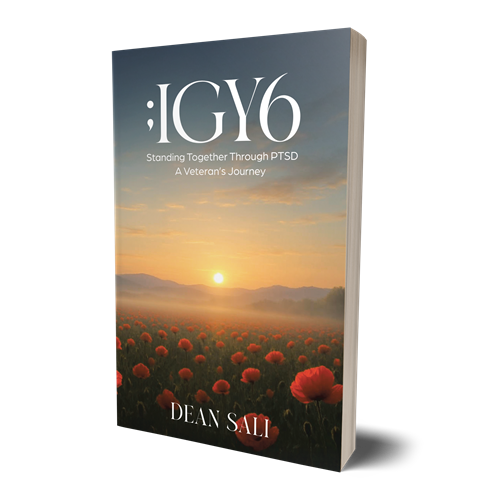
A guide of hope and healing for those navigating life after service, offering insight, understanding, and a path toward resilience.

;IGY6 is more than just a self-help guide, it is a beacon of hope for those in the military and beyond. Whether you are a soldier, a veteran, or someone who supports them, this book provides invaluable insights and practical advice that can make a real difference. Readers will find solace in the shared experiences and learn how to navigate the complexities of PTSD towards a better, more fulfilling life.

Get Your Free Copy Here

Stories that reveal courage, survival, and the power of reclaiming your life.

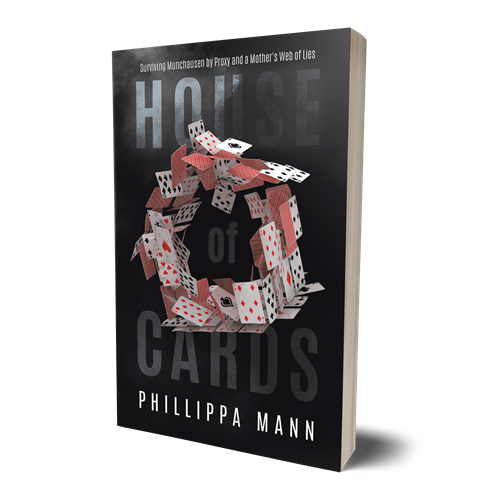
A powerful memoir of survival and courage as one woman reclaims her life and finds strength in truth.

A raw and unflinching memoir of survival, truth, and transformation. Phillippa Mann takes readers deep into the fractured world of a girl who grew up living with a monster—a world where love and fear shared the same face, and silence became a means of survival.


Through heartbreak, chaos, and betrayal, Phillippa’s voice emerges from the shadows as she begins to piece together a life that was never hers to begin with. Her journey is one of courage and reckoning, of facing the unbearable truths that shaped her, and finding strength in vulnerability.

More than a story of pain, House of Cards, is a testament to the power of healing and self-forgiveness. It reminds every survivor that when the house of cards falls, it is not the end—it’s the beginning of reclaiming your story and discovering who you were always meant to be. 
Read More
Meet the Team Uncategorized

Meet the Team: Russel, One of Our Book Project Managers

Meet Russel, one of our dedicated project managers helping to bring our authors’ books to life. From coordinating timelines to making sure each stage of the publishing process runs smoothly, she plays a key role in turning manuscripts into finished books.

Read on to learn more about Russel and her role at Tellwell . . .

Can you tell us about your role on the project management team at Tellwell, and what a typical day looks like for you?

As a project manager, I guide authors through every stage of their publishing journey. My typical day involves coordinating with authors, editors, designers, and other teams, ensuring deadlines are met and quality is maintained. I manage tasks, track progress, and proactively address any issues to keep the process seamless for both authors and our internal teams.

Read More
Uncategorized

Updates to Our Publishing Packages & Pricing – Effective September 1, 2025

We’re excited to share some important updates! These will benefit all new authors who are beginning their publishing journey with us on or after September 1, 2025.

For the first time in two years we’ve updated our publishing package pricing, and with that comes a major upgrade in what’s included, starting with our Standard Package and above.

These updates reflect our continued commitment to supporting authors with more value, better tools, and stronger publishing outcomes.

What’s New in Our Updated Publishing Packages

We’ve expanded the core features included in all new projects starting from the Standard Package and up. Here’s what every author will now receive:

100% Net Royalties with Managed Distribution 100 (Now Included)

Authors now keep 100% of their net royalties, with Managed Distribution 100 automatically included at no extra cost. This means no hidden fees or royalty cuts, just your earnings, in your hands.

Professional Editor’s Feedback Report

Every manuscript now goes through an editorial review by a professional editor. You’ll receive a detailed feedback report outlining:

  • Strengths
  • Areas for improvement
  • Next steps

This helps you move toward publication with clarity and confidence.

Access to Marketing Workshop & Guide

Every author now gets access to Tellwell’s new Marketing Workshop and Guide, designed to help you build a launch strategy, understand your target readers, and grow your sales post-publication.

Why We’ve Updated Our Pricing

This is our first pricing update since 2023. As publishing standards and costs have evolved, we’ve taken this opportunity to:

  • Reflect the expanded value now included in our packages
  • Continue to invest in quality, service, and innovation
  • Adjust pricing to account for inflation

We remain focused on keeping pricing competitive and transparent while giving you more tools and support than ever before.

Improvements Made Since Our Last Pricing Update

Since 2023, we’ve made key service upgrades to elevate your publishing experience:

  • More robust quality-checking processes
  • Enhanced author-support systems
  • A significantly stronger baseline package, with tools previously reserved for higher tiers

Project Checkpoint Calls

In addition to the orientation call, every project now also includes a live “checkpoint” call with your dedicated project manager at the design stage to clarify the revision process and final steps before publication.

Three Final Quality Checks

Every book now undergoes three separate quality control reviews before it goes to print, to ensure it meets publishing standards and your expectations.

Complimentary Back-Cover Copy Edit

We now include a professional edit of your back cover text, a key sales tool for both print and online book listings.

Pre-order Setup and/or Proof Copy Prior to Distribution (No Extra Fee)

Want to order a proof copy prior to distribution? Now you can, at no additional charge.

When These Changes Take Effect

All new projects starting on or after September 1, 2025 will receive the updated package inclusions and new pricing.

If you’re already working with us or have locked in by making a deposit, your project will continue under your original terms unless otherwise discussed with your publishing consultant.


Have Questions?

If you’re considering starting a new project or want to learn how these changes may benefit you, our team is here to help. Reach out to your publishing consultant or get in touch.

We’re proud to continue raising the bar and helping authors like you share your story!

Read More
Uncategorized

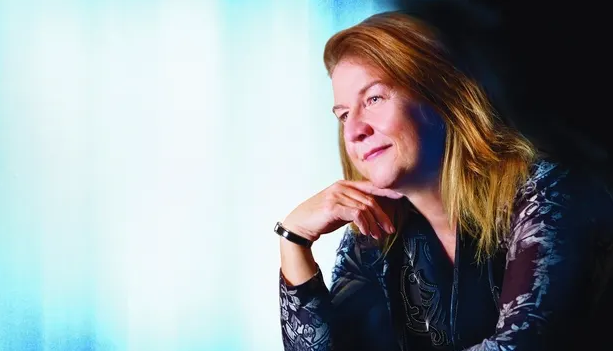
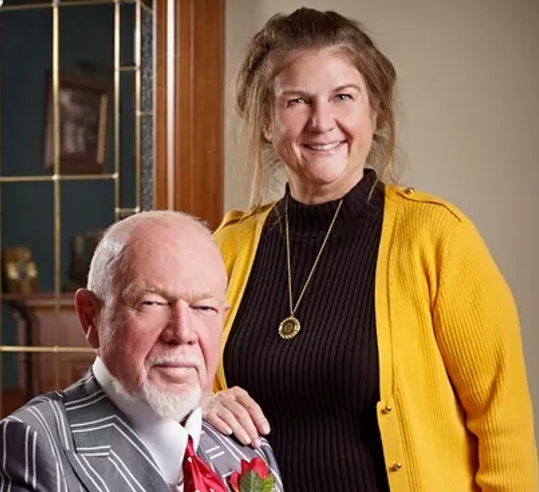
Author of the Month: Remembering Cindy Cherry — a Daughter’s Tribute, a Lasting Legacy

A loving daughter, animal advocate, and determined storyteller, Cindy Cherry leaves behind a powerful legacy with her final tribute to her father, Don Cherry

While hockey fans may know her as Don Cherry’s daughter, those closest to Cindy remember her as a passionate advocate for animal welfare and health causes. She was a founder of Don Cherry’s Pet Rescue Foundation, dedicating much of her life to saving and supporting animals in need.

At Tellwell, our Author of the Month features usually spotlight writers and their creative journeys. This month’s feature is a little different—and deeply special. It’s a tribute to Cynthia Margaret “Cindy” Cherry, an author, daughter, mother, and passionate advocate who left an indelible mark both in print and in life.

Cindy Cherry, the daughter of legendary hockey coach and media personality Don Cherry, passed away unexpectedly on July 15, 2024, at the age of 67. While the loss is felt profoundly by those who loved her, including her father Don, son Del, and brother Tim, it also reverberates through the Canadian literary and sports communities, who had only just begun to discover her voice through her debut book.

Cindy’s book, The Don Cherry Story, is not just another hockey biography. It’s an intimate, unfiltered, and fiercely loyal account of Don Cherry’s life as seen through the eyes of the person who perhaps knew him best. From his coaching days with the Boston Bruins to his decades-long tenure on Hockey Night in Canada, Cindy was there, taking notes and witnessing history unfold.

The book doesn’t shy away from controversy, including a candid account of her father’s highly publicized firing from Coach’s Corner in 2019. In a chapter titled “Poppygate,” Cindy offers her family’s side of the story, one of heartbreak, loyalty, and resilience.

More than a biography, the book is a love letter from a daughter to her father, and to the Canadian hockey culture that shaped them both. Released in April 2025, coinciding with the start of the Stanley Cup Playoffs, the book quickly soared to the top of several Amazon.ca categories, reaching #1 in Hockey Biographies, Memoirs, and New Releases.

While hockey fans may know her as Don Cherry’s daughter, those closest to Cindy remember her as a passionate advocate for animal welfare and health causes. She was a founder of Don Cherry’s Pet Rescue Foundation, dedicating much of her life to saving and supporting animals in need. Inspired by a rescue dog named Lucy, Cindy’s compassion extended beyond words and into tireless action.

In her youth, she made a life-changing decision to donate a kidney to her brother Tim, a gesture emblematic of the selflessness that would define her life. Cindy also spent over a decade working with the Kidney Foundation of Canada, championing awareness and support for those battling kidney disease.

Cindy’s passing came just as she was preparing to release not one, but two books. While she didn’t live to see her work in readers’ hands, her son Del and the Cherry family made sure her dream was realized. A second book, planned for release this Christmas, will continue Cindy’s storytelling legacy.

As Del poignantly said, “This is her story, through her eyes.” And through her eyes, we’re invited not only to see Don Cherry as a national figure but as a father, a mentor, and a man deeply rooted in family tradition.

We honour Cindy Cherry not only as an author but as a woman of conviction, compassion, and courage. Her book reminds the importance of telling one’s truth, and to the enduring power of love, compassion, and loyalty.

In her memory, a portion of the proceeds from The Don Cherry Story will support Don Cherry’s Pet Rescue Foundation, ensuring that Cindy’s legacy of kindness lives on.

Cindy Cherry reminded us that stories matter, especially the ones told from the heart. At Tellwell, we’re proud to have been part of her publishing journey and to celebrate her as our Author of the Month.

Read More
Book Giveaways Uncategorized

Your Next Great Read This March—on Us!

This March, let a new book take you on an unforgettable journey! Whether you crave adventure, mystery, or inspiration, there’s a story waiting just for you.

Enchanted tales of love and mystery

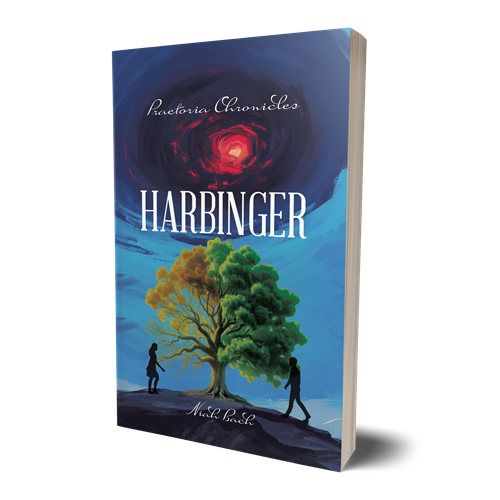
Can a princess defy fate and forbidden love to save her kingdom? Discover the secrets of Harbinger by Niah Bach!

In Praetoria, the elite do not have any special talents. Then why is it the only imperial princess is having vision-like nightmares? These dreams foretell the destruction of her world and the death of her family, and every day they gain strength in their horror.


The return of a particular imperial rook changes the tone of her dreams, providing her with much needed relief. But this too is perplexing, for he is a rook and she an elite. The law strictly forbids a union between the two. 


Yet four little female moiohs scheme to bring them together, providing the path to secure their future, a future threatened by traitors who would use the princess as a way to steal her father’s throne.

Click here to get your FREE copy

Read More
Uncategorized

Literary Wins of March

This month authors have reached exciting new milestones, from launching books to earning well-deserved recognition. March has been filled with inspiring moments in the literary world—let’s take a look at some of the highlights.

Publicity

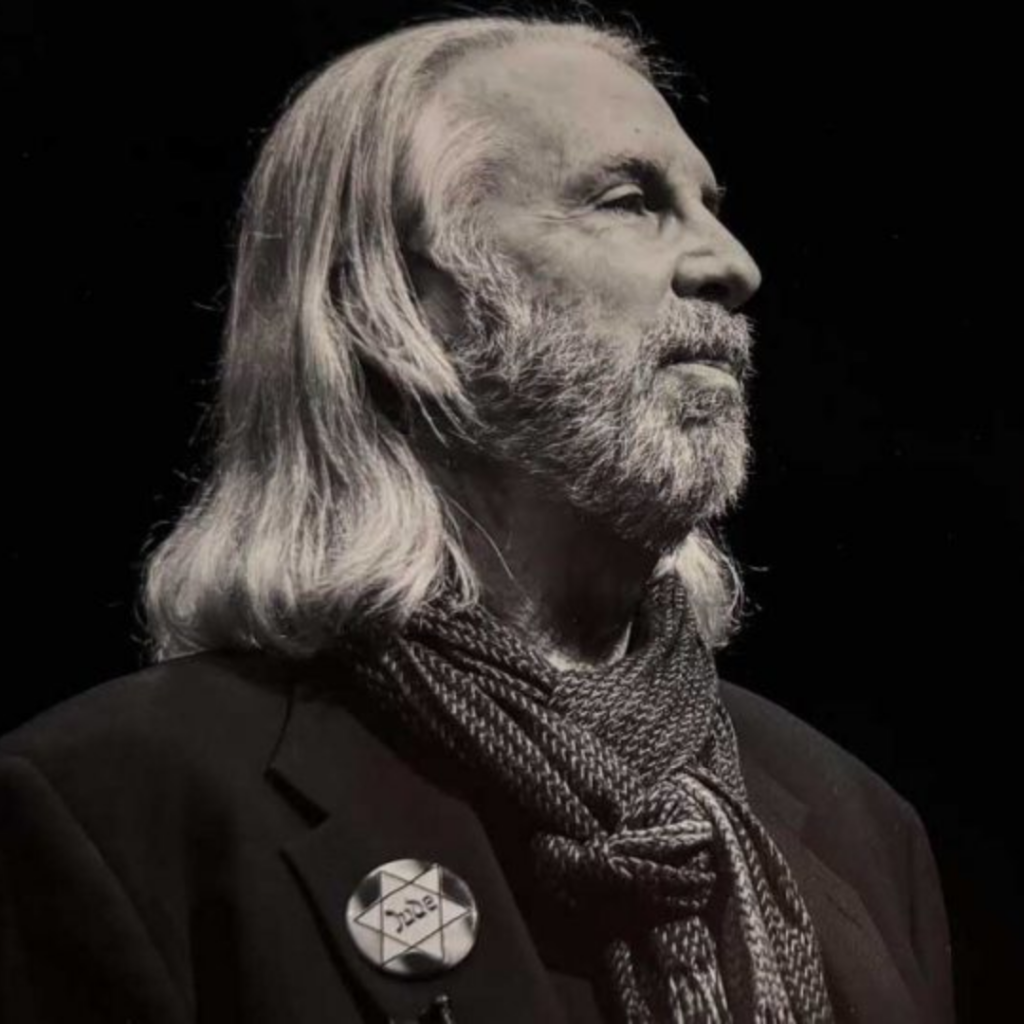
A story of survival, resilience, and an unbreakable bond. Richard K. Lowy’s Kalman & Leopold: Surviving Mengele’s Auschwitz shares the powerful true story of two boys who endured unthinkable horrors, were separated for 56 years, and found their way back to each other. Featured in North Hollywood news, this book is a vital reminder to preserve history and stand against rising antisemitism.

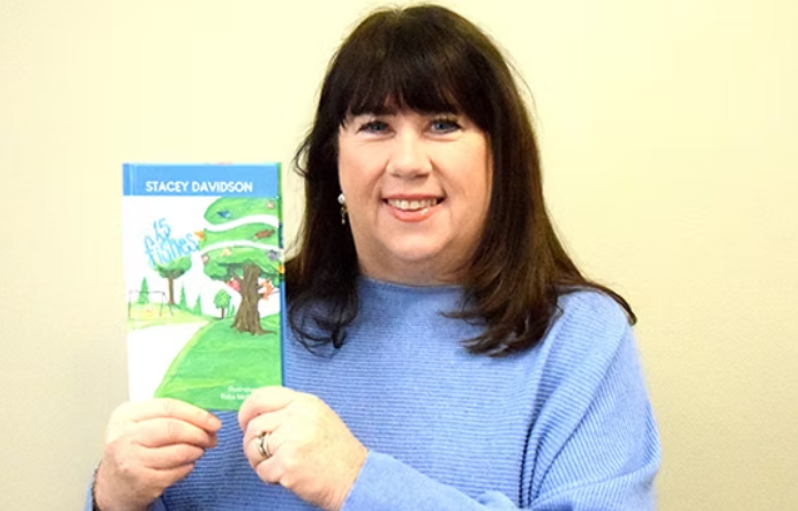
Amherstburg resident Stacey Davidson has turned a long-held idea into reality with 15 Fishes, her debut children’s book. Inspired by a fleeting moment nearly two decades ago, her story is a testament to the power of creativity. Featured in River Town Times, Davidson shares her journey from inspiration to publication—and she’s just getting started!

Read More
1 2 3