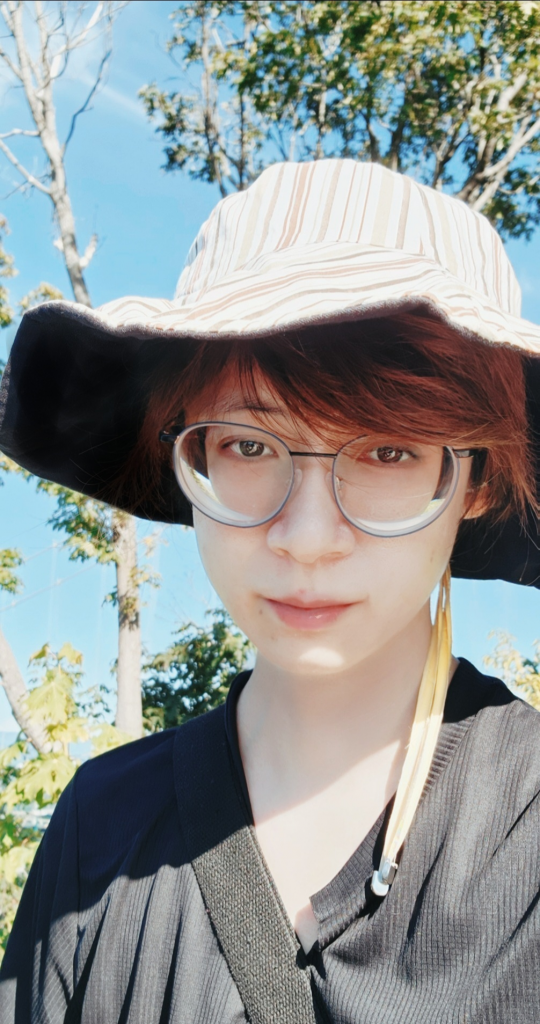
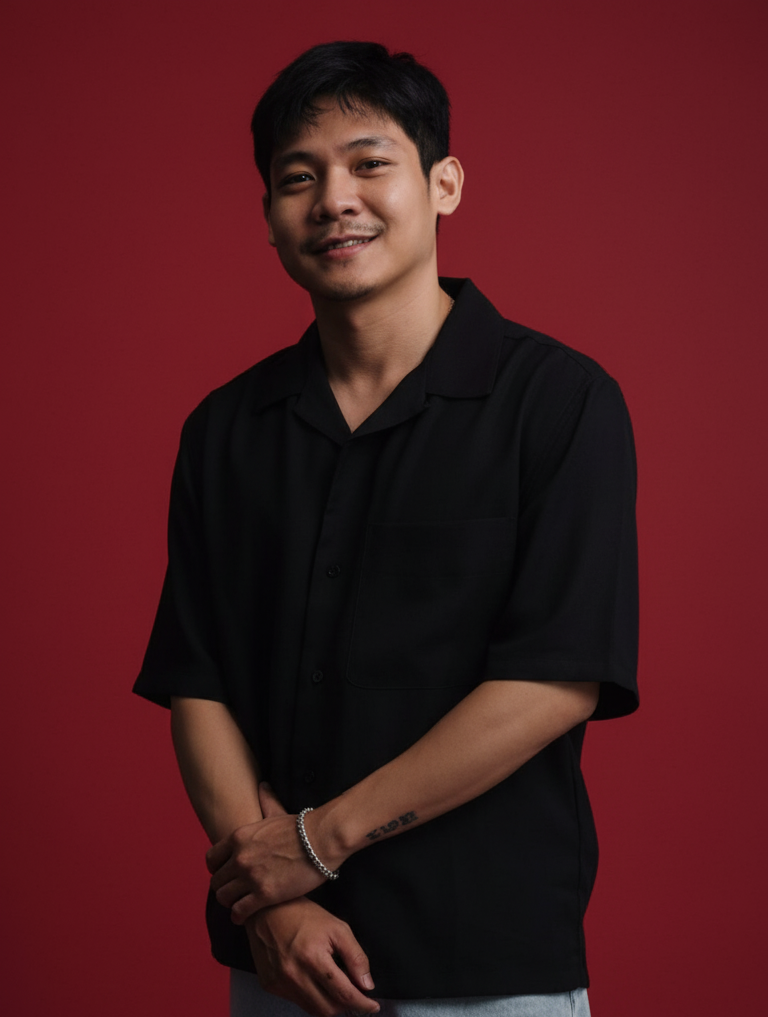
This October, we’re excited to feature Sen Li, one of our contract illustrators at Tellwell. Sen has an incredible talent for turning stories into vivid, captivating visuals that draw readers in.
Read on to get to know Sen and learn more about their creative journey.
Can you tell us a bit more about yourself and your background as an illustrator?
I’ve been drawing for as long as I can remember, it’s always been the most natural way for me to express myself. I grew up in Canada, but my roots are in Taiwan, and I think that mix of cultures shows up in my work, both in the stories I tell visually and in the aesthetics I gravitate towards. I trained myself through a lot of practice, observation, and experimentation rather than a rigid academic path, which gave me freedom to shape my own style.
As an illustrator, I’m drawn to mood, atmosphere, and subtle storytelling. I want my art to feel like a single frame from a larger narrative, a glimpse into a moment that already has a history behind it. A big part of that comes from my love of manhwa, where storytelling through images is so immediate and emotionally charged. That influence shapes how I use composition, pacing, and expression to pull viewers into a scene. My background in graphic design also plays a role in how I balance composition and detail, and I’m constantly looking for ways to bridge fine art with more modern, digital expressions.
This October, we’re celebrating stories that inspire and spark curiosity with our Tellwell Book Giveaway! 🍂
Our selection features uplifting nonfiction and imaginative children’s books, each filled with lessons, wonder, and heart. From true stories that motivate and empower to children’s tales that teach and delight, these reads remind us of the power of storytelling at every age.
Looking for your next great read?
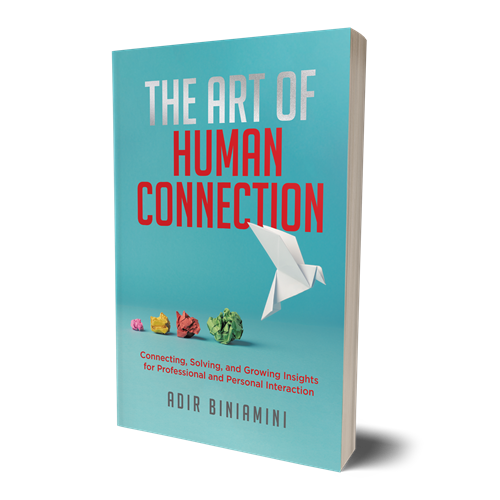
Learn how to reconnect, communicate genuinely, and find meaning in everyday interactions.
In an age of extreme technology and growing separation, we’ve lost our way. We’ve traded authentic human connection for a world of aggressive tactics, self-serving behaviors, and fleeting transactions that leave us feeling isolated and unfulfilled.
The Art of Human Connection offers a powerful and ethical alternative, a return to our shared humanity.
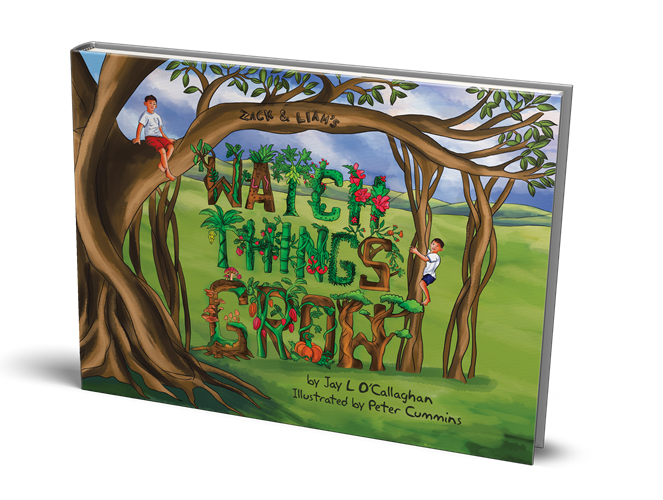
Discovering the magic of growth, one page at a time.
A heartwarming story that inspires curiosity, patience, and a deeper love for nature.
Curious brothers Zack and Liam love healthy food—but they’ve never grown their own! With help from Mum and Dad, they learn how tiny seeds turn into fruits and vegetables. They discover the magic of plants, the power of patience, and why nature matters.
But will their plants really grow? And what surprises will the garden bring?
Watch Things Grow is a fun and engaging story that inspires young readers to connect with nature, get their hands dirty, and see the world in a new way. It’s the first book in an exciting series that explores the wonders of nature, creativity, and the joy of learning through hands-on adventures!
This October, we’re celebrating the many wins that remind us why we love what we do. From positive feedback and meaningful recognition to milestones big and small, our authors continue to reach new readers and share stories that leave a lasting impact.
Each achievement is a reflection of their creativity, dedication, and the heart they pour into every page. It’s inspiring to see their work connect with audiences and receive the appreciation it deserves.
Here’s to our authors whose passion keeps stories alive, this month and always.
Awards
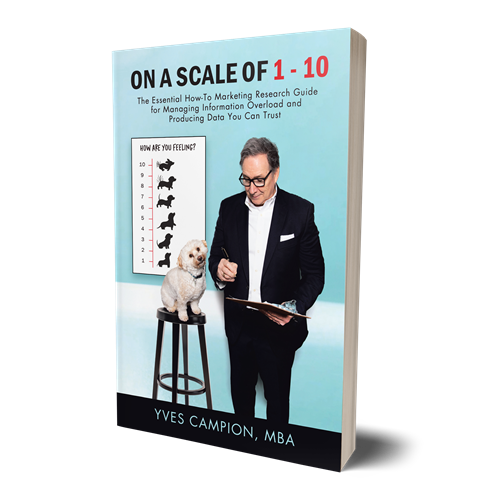
On a Scale of 1 to 10 by Yves Campion has received the 2025 Global Awards Bronze Medal in the Business Management category!
This award-winning book offers an insightful and accessible approach to marketing research, perfect for small business owners, entrepreneurs, and professionals looking to make smarter, data driven decisions. With over three decades of experience in global marketing and consulting, Yves Campion simplifies complex concepts into clear, actionable strategies that anyone can apply.
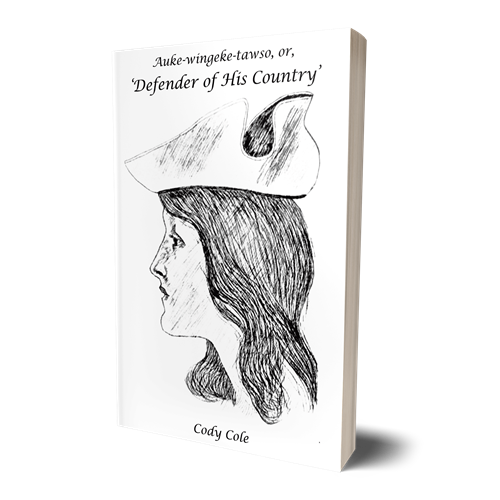
Tellwell author Cody Cole, whose historical title Auke-wingeke-tawso, or, Defender of His Country won Bronze in the Nonfiction: History category at The Book Fest L.A!
Cody’s book was also entered into three distinguished literary contests, earning recognition for its compelling portrayal of Charles Michel de Langlade (1729–1800)—a courageous yet often overlooked figure in North American history.
Based in Ontario’s Kawartha Lakes region, Cody brings his passion for history to life with every page, reviving the story of a true defender of his country.
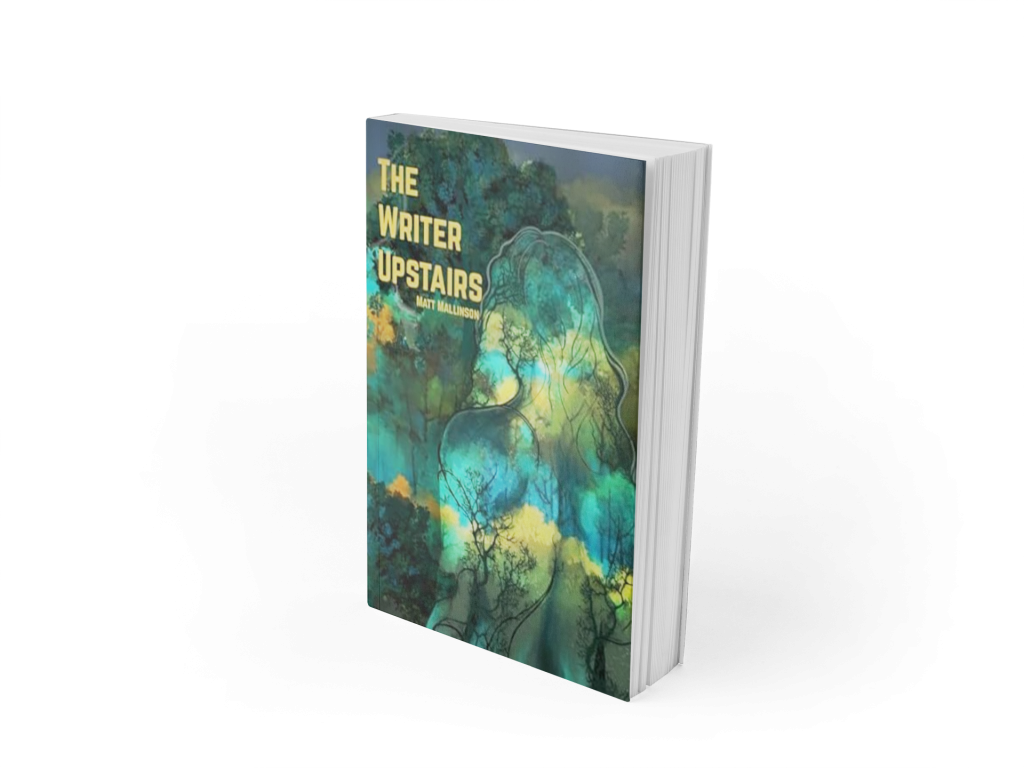
Matt Mallinson’s won Silver in the Artistic & Technical Audio Book Voice Over category at The BookFest L.A.
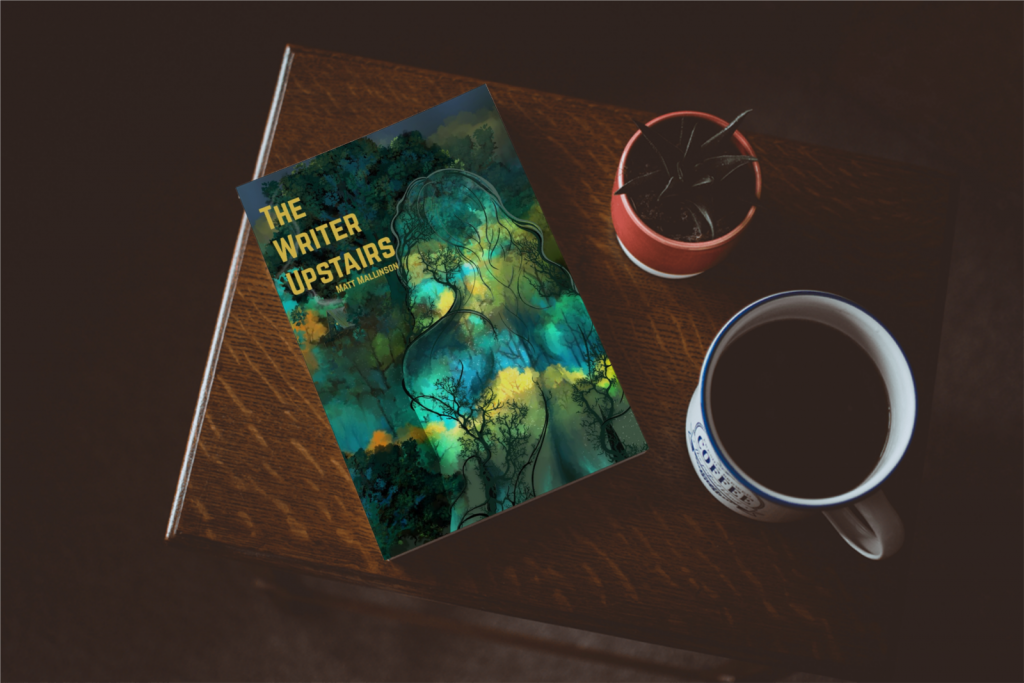
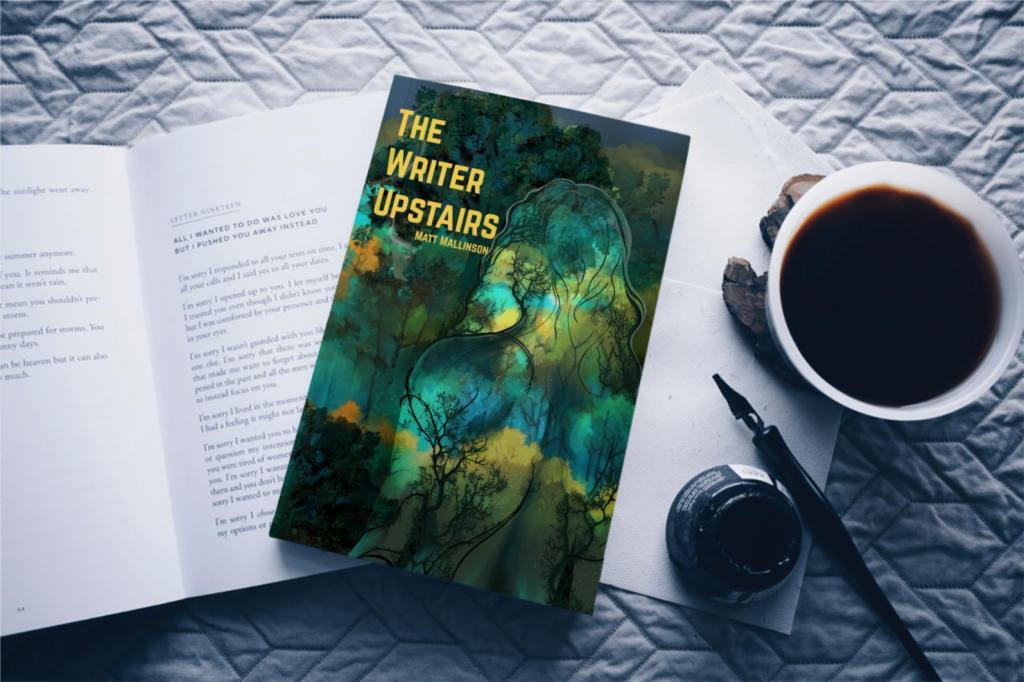
Matt is the author of The Writer Upstairs, a thought-provoking story that blends history, science, and mystery as two unlikely characters cross paths in the mountains. Based in the U.S. and active in historical preservation, Matt brings depth and authenticity to his storytelling.
This Silver win celebrates not just the book’s writing, but also its captivating narration and production.
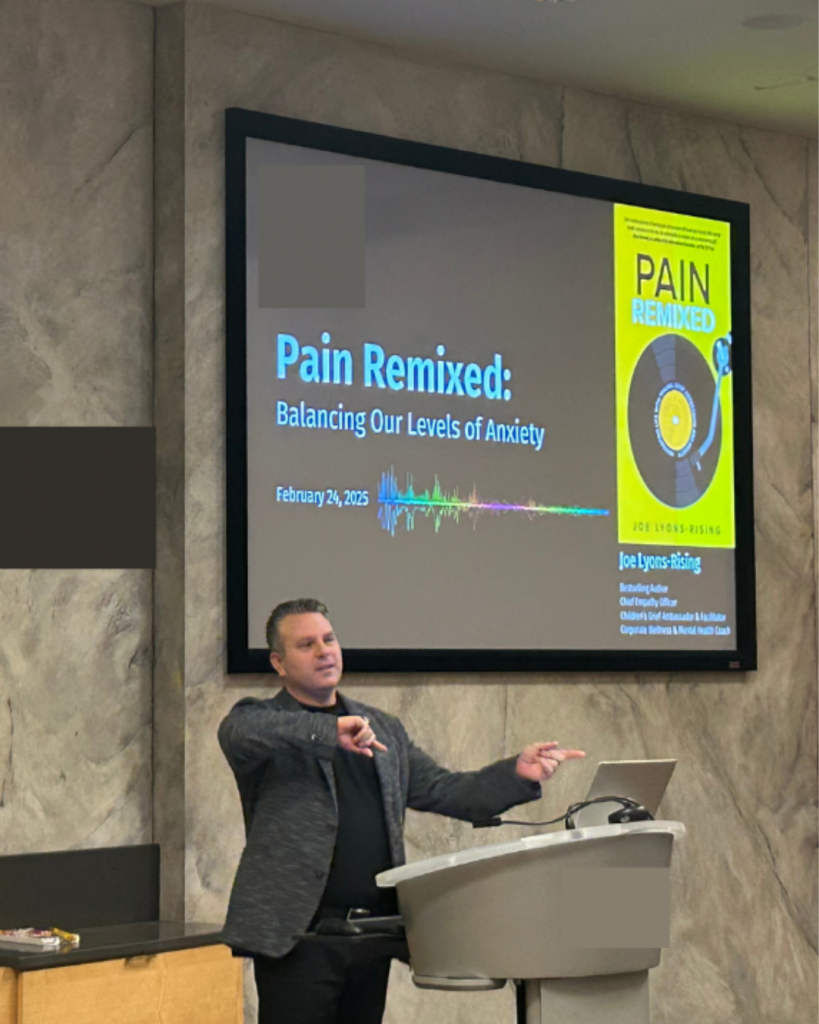
Joe Lyons-Rising on leading with empathy, turning personal loss into purpose, and guiding others toward hope.
Even in the darkest times, hope and love is what pulls me out and helps me look ahead to the next sunrise.
Joe Lyons-Rising
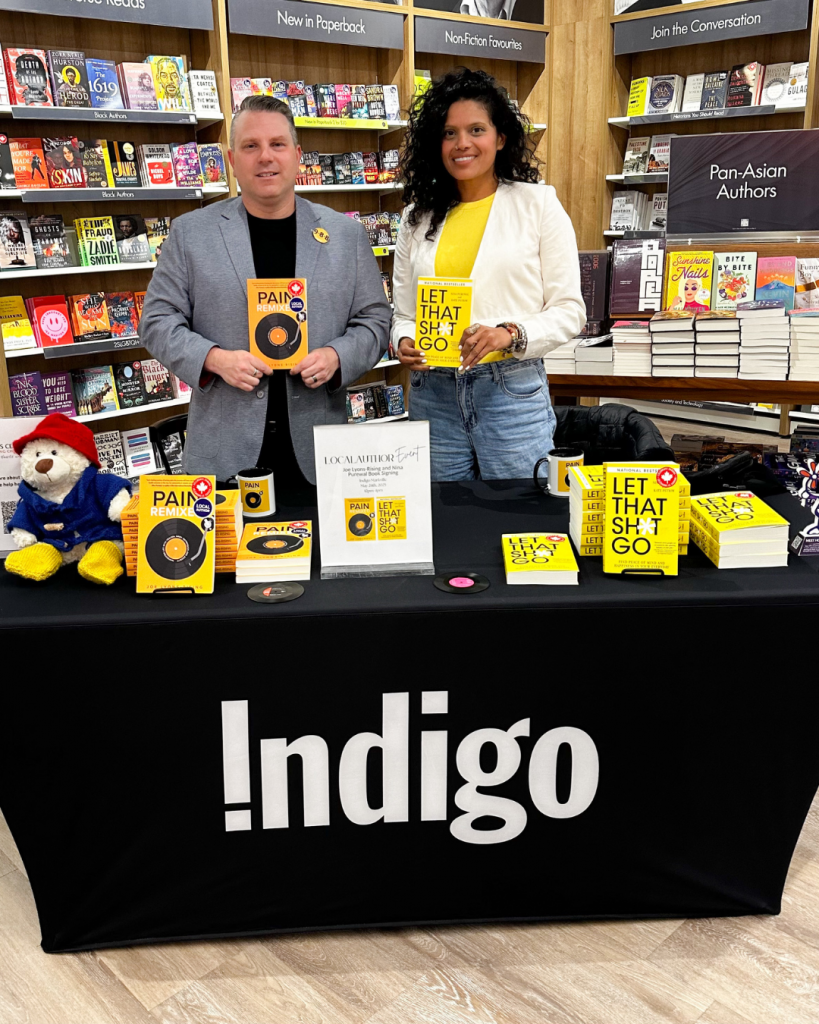
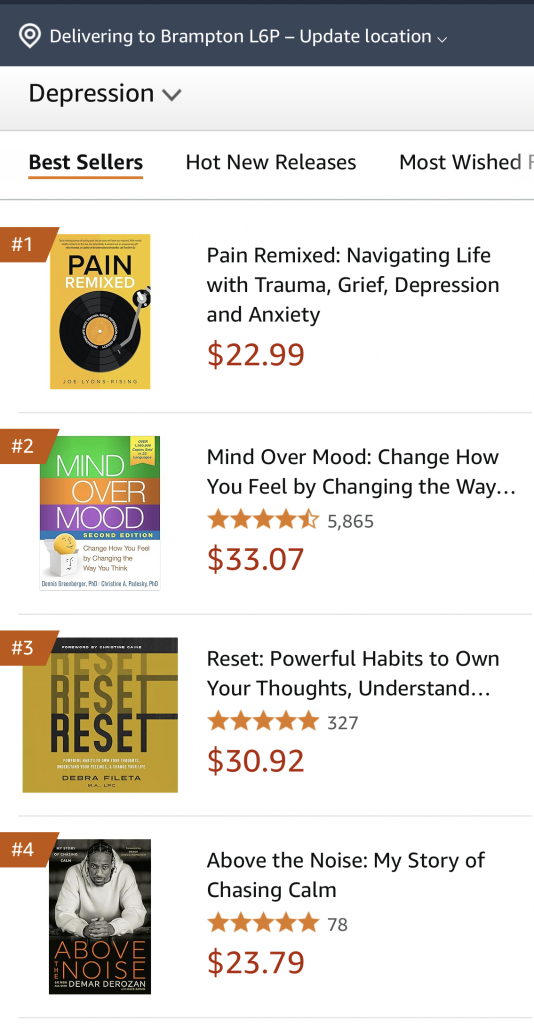
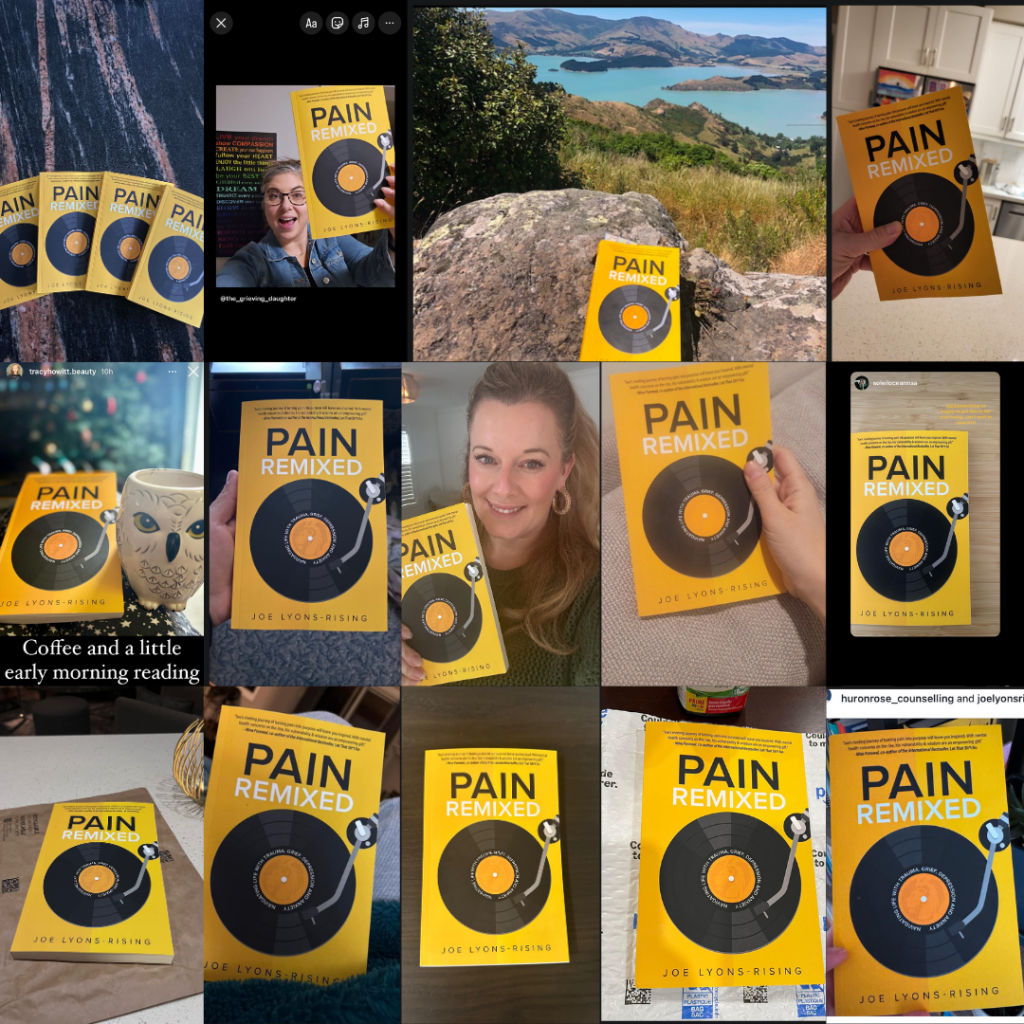
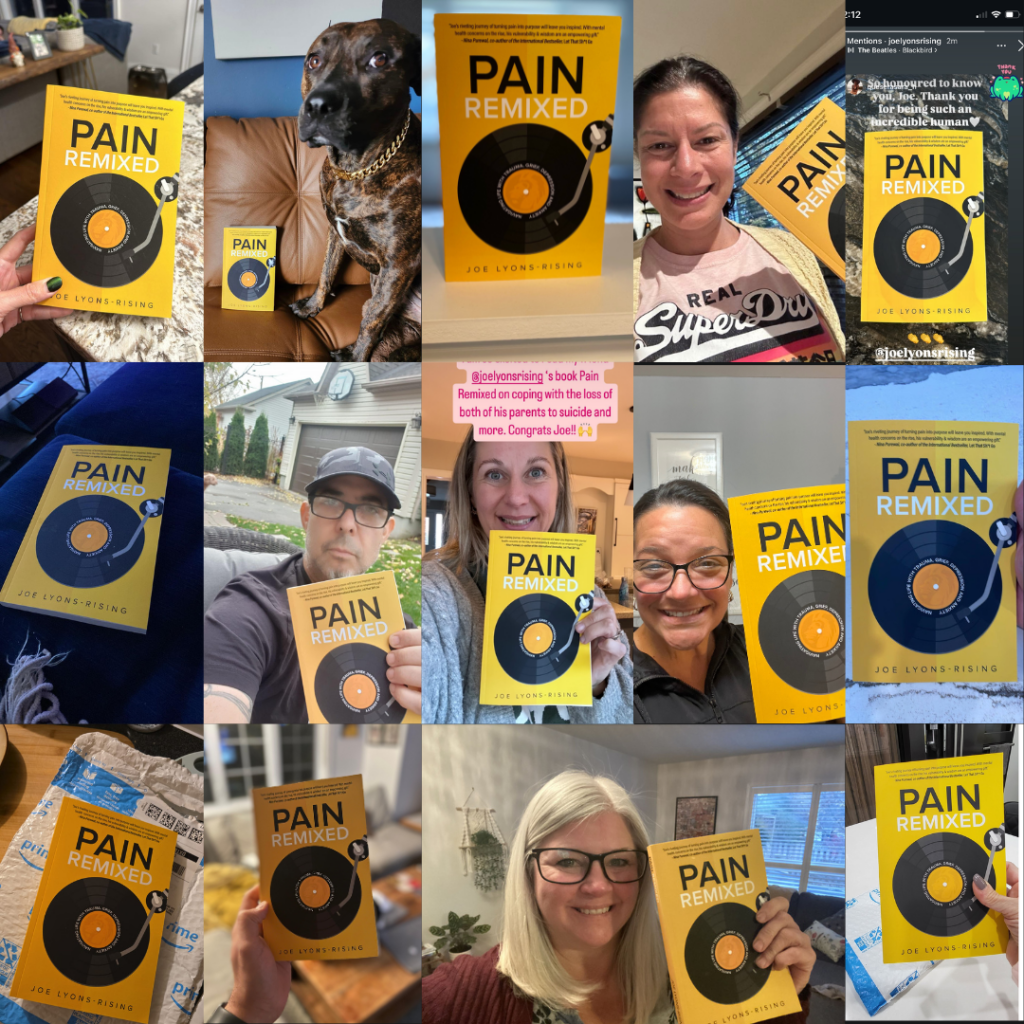
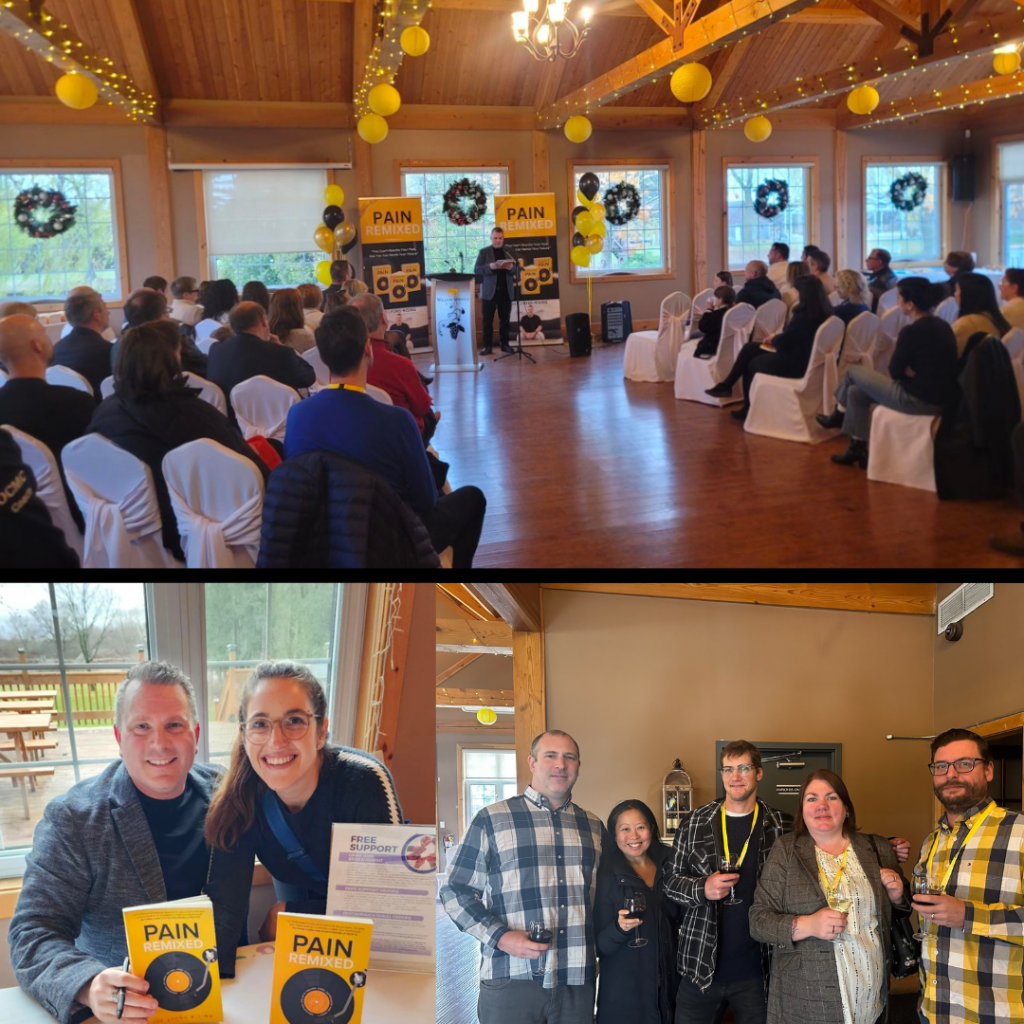
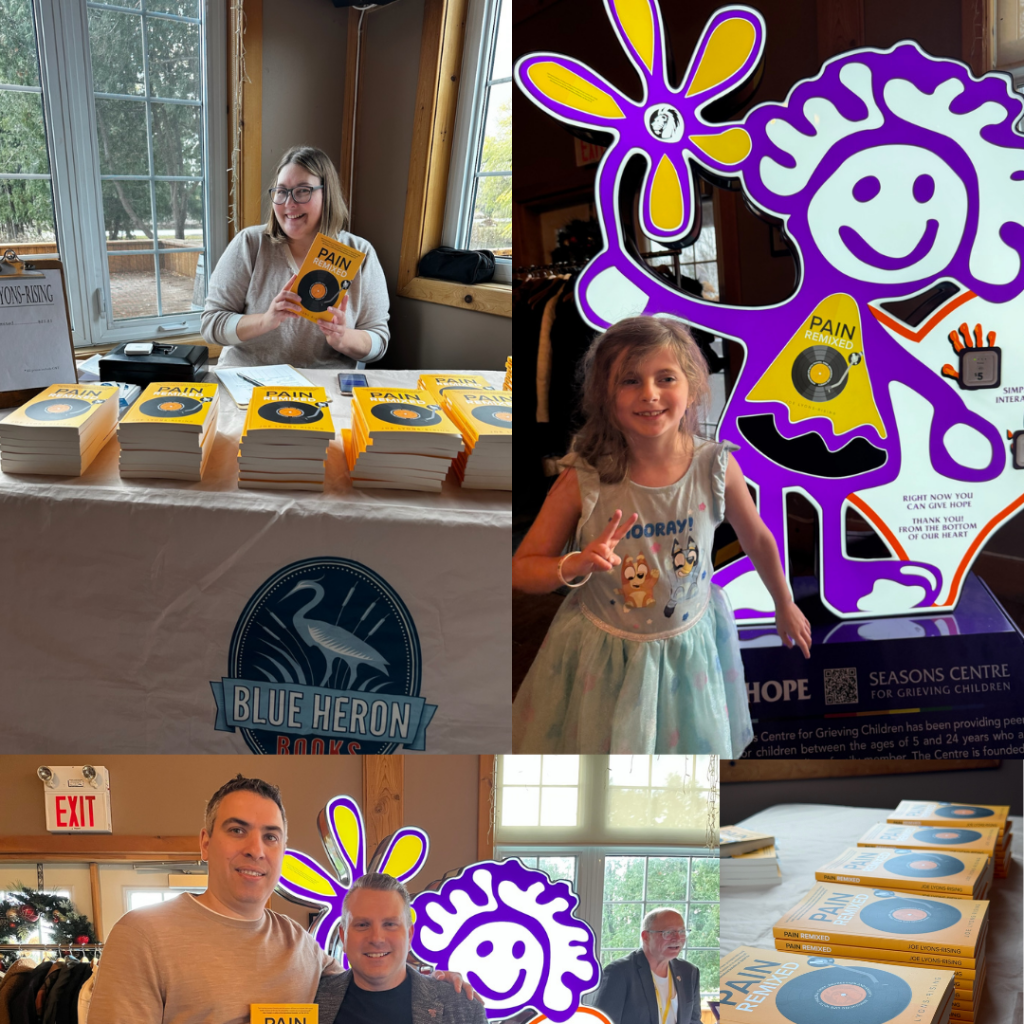
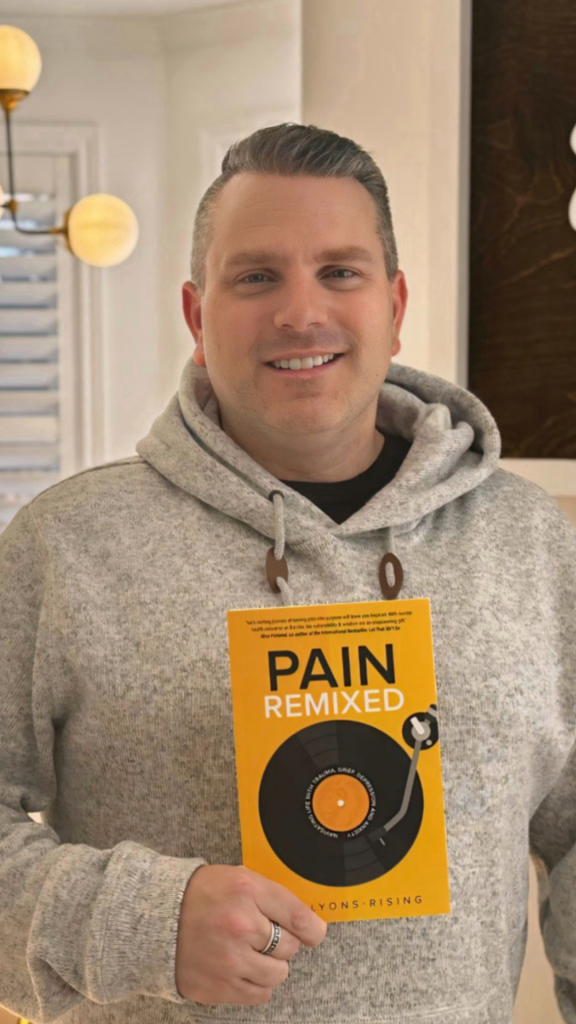
Grief, trauma, and mental health struggles are experiences that can feel isolating, yet these experiences are universal. In his #1 book Pain Remixed: Navigating Life with Trauma, Grief, Depression and Anxiety, author, DJ, and public speaker Joe Lyons-Rising opens up about losing both of his parents to suicide as a child and the impact that loss had on his life. Through his story he explores not only the weight of trauma, depression, and anxiety, but also the resilience, empathy, and hope that carried him forward. Joe has been featured in Barrie Today, CBC, iHeart Radio, and numerous other media outlets, where he continues to raise awareness and inspire others through his message. In this conversation he shares what inspired him to write his book, the lessons he’s learned along the way, and why he believes hope and love are the most powerful tools we have for healing.
Can you tell us what Pain Remixed is about, and why you decided to share your story publicly?
Pain Remixed is my story of growing up after losing both of my parents to suicide in the 1980s, and how that experience followed me through childhood, my teenage years, and adulthood. The book is about living with trauma, grief, depression, and anxiety, but it is also about rediscovering hope and love. I decided to share my story publicly because I know how isolating mental health struggles can be. If even one person reads the book and feels less alone, then it has done its job.
While you were working with Tellwell on producing the book, what was the biggest lesson you learned during the process? Do you have advice for any prospective authors out there?
The biggest lesson I learned was to always plan for extra time. Editing involves multiple rounds, and ordering bulk books in Canada can take longer than expected. I also realized how important it is to be involved in the design, marketing, and PR. Your own creativity, contacts, and hard work can make the collaboration with Tellwell even more successful.
My advice to new authors is to enjoy the process, especially the writing. Try not to be too critical of yourself in the early stages. Let your creativity flow. You will have more than enough time to edit and polish, but those first raw bursts of writing are what give your book its authenticity.
In the book, you write about losing both of your biological parents to suicide during your childhood. How did that shape your outlook on life and mental health?
Losing both my parents to suicide as a kid taught me not to take people, situations, or opportunities for granted. Life can change in an instant, so I don’t wait when it comes to chasing my dreams. It also gave me a deep sense of empathy for others and what they are going through. When I run mental health workshops or volunteer, I am there as an ally who walks alongside people, not as someone who speaks at them. That shared perspective is what makes the support feel real.
How did your experiences with depression and anxiety influence the strategies you share in the book?
The most important strategy for me has been holding on to hope for a future filled with love and happiness. It is not always simple, and life can make it feel far away, but hope has been the guiding light that keeps me moving forward. Even in the darkest times, hope and love is what pulls me out and helps me look ahead to the next sunrise.
In addition to being an author, DJ, and public speaker, you also volunteer as a grief ambassador and facilitator. Can you share with our readers what that role entails?
As a grief ambassador, I raise awareness for Seasons Centre for Grieving Children by sharing my story with corporate clients, in the media, and in the community. Seasons wasn’t around when I was a kid, but it would have made a huge difference in my life. Now, I do my part to make sure families know the support is there for them.
As a grief facilitator, I volunteer in Barrie every other week at Seasons Centre’s peer-to-peer program. My role is to be a “buddy” to the kids who attend. We work through grief together in ways that feel natural to them, whether that is art, play, or group sharing. The program is guided by a social worker, and my part is to support, listen, and be present for the kids.
What do you hope readers will take away from Pain Remixed?
I hope readers take away that we can never give up hope. Even when life feels dark, there is always the chance for brighter days. Suicide takes away the possibility of experiencing that beauty and those moments of joy that are still to come. We are not alone in our struggles. Most people carry something heavy, and when we open up, we can often find support that makes the weight feel lighter.
Is there anything else you’d like to add?
Giving back through philanthropy or volunteer work are some one of the most profound gifts we can offer in this life. It changes lives for the people who receive support and for the people who step up to offer it. There is no purer form of love than helping others in need, and the feelings that come from that are truly priceless.
This September Shelfie Giveaway is packed with variety, from inspiring guidebooks and thought-provoking nonfiction to heartwarming children’s stories and moving autobiographies. It’s the perfect mix to keep every reader curious, inspired, and entertained.
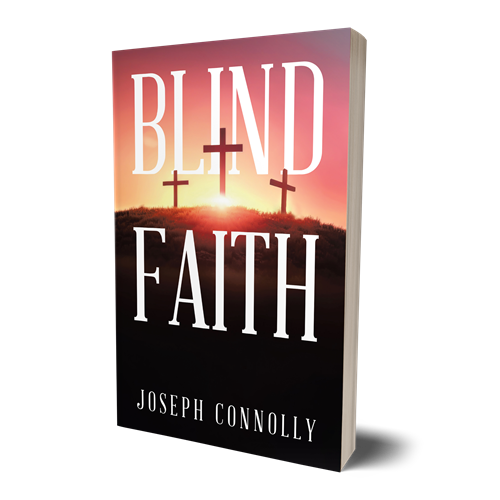
An inspiring tale of trust and grace
A journey into the heart of faith, where hope and trust become the only way forward.
Blind Faith. We all have it, particularly when we realize we are not in control of circumstances, conditions, people, or, for that matter, threats to our very existence.
The thief crucified with Jesus is known as the Penitent Thief or Saint Dismas. He asked Jesus to remember him when He came into his Kingdom. In response, Jesus promised him that he would be with Him in Paradise that very day.
So, even a thief facing certain death had the blind faith to ask and trust that his spirit, his very soul unknown to him at the time, would be welcomed into paradise.
This book is about blind faith. It is about a man, Peter, who, finds his own faith while facing the challenges of evil to all he has been taught, and to his own life.
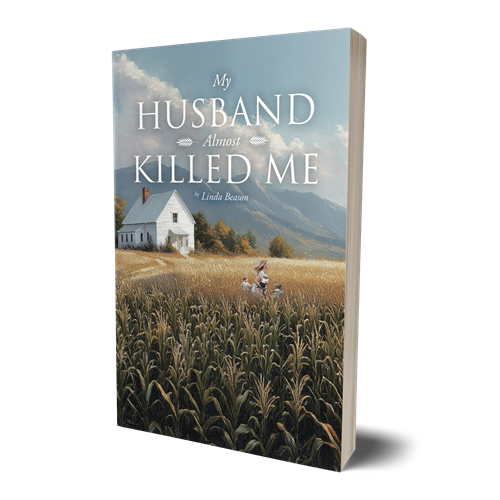
A raw and inspiring journey from hardship to hope, proving that survival is just the beginning.
This book is an autobiography about a woman raised on a large farm who learned to drive a large tractor at the age of seven, then spent many years plowing, planting and harvesting crops and taking care of the farm animals. After three years in the Marine Corps, she married her college sweetheart who became a drunk and abused her for seven horrible years before he almost killed her then disappeared. After she recovered she and her three kids fled to Florida to hide so he wouldn’t find them and finish the job.
September was full of wonderful moments for our authors. This month, we saw books recognized with awards, celebrated at events, and shared with new readers. It’s always inspiring to watch these stories connect with people in meaningful ways. Here’s a closer look at the highlights and achievements that made September worth celebrating.
Awards
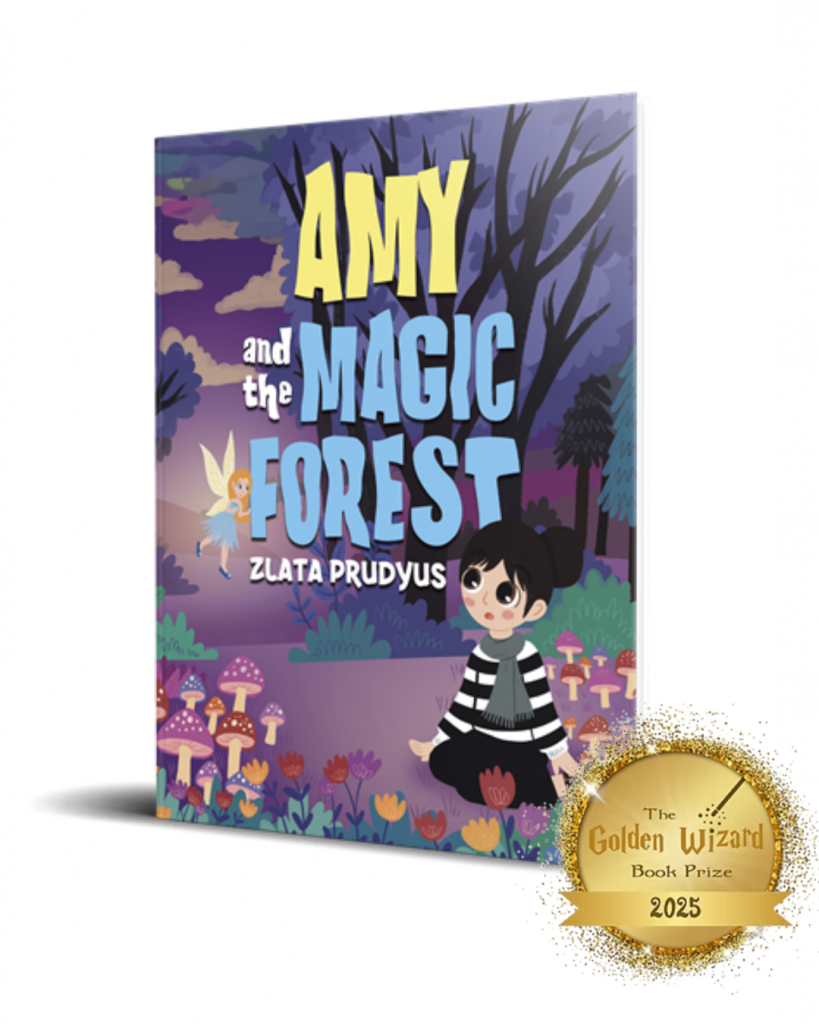
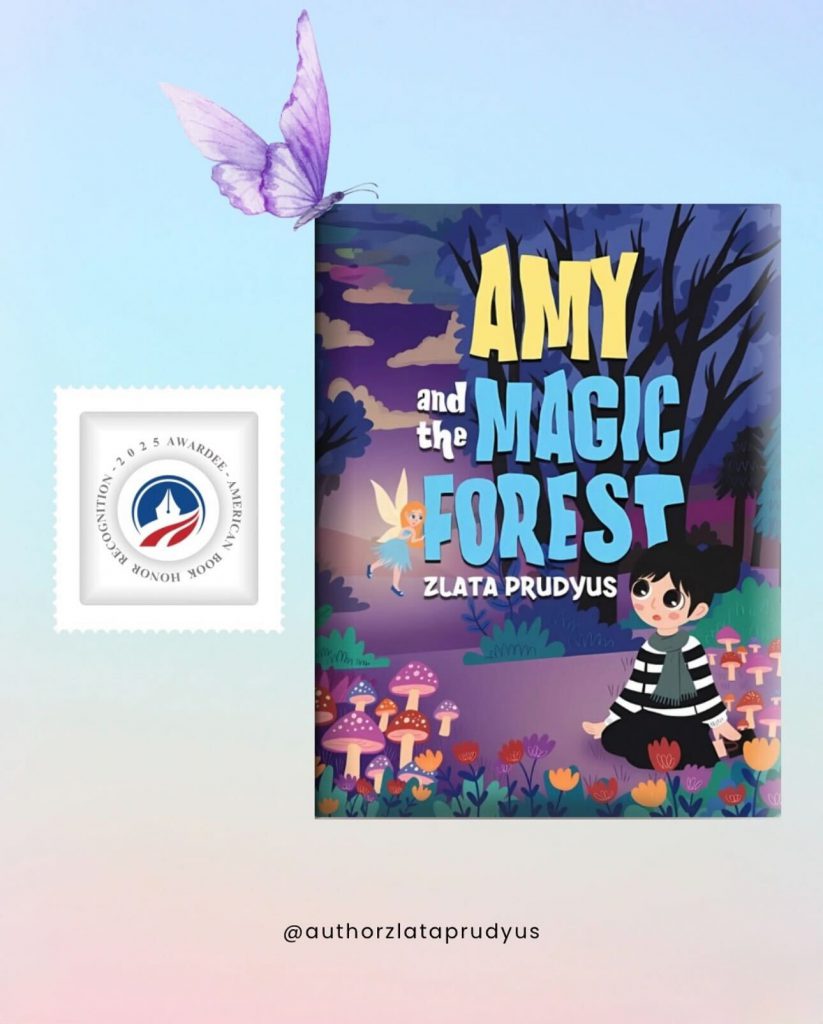
We’re happy to share that Amy and the Magic Forest by Zlata Prudyus has been named a winner of the Golden Wizard Book Prize. This heartwarming story follows Amy as she enters a magical forest, meets a kind fairy named Freya, and learns valuable lessons about bravery, friendship, and kindness.
Zlata first wrote this story as a school project before turning it into the delightful book we know today. This recognition is a wonderful celebration of her creativity and imagination.
This September, Tellwell is at the Word on the Street Festival in Toronto whichi brings together thousands of readers and writers — and this year, Tellwell authors will be right in the mix. The Tellwell booth will showcase a selection of books by authors from across Canada and beyond. Have a look to see which authors will be on display at this year’s festival.
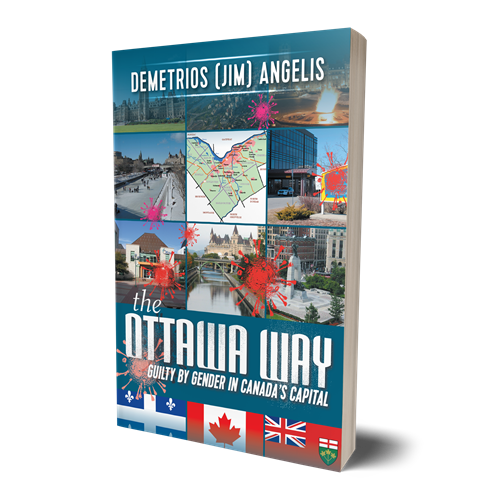
Demetrios (Jim) Angelis
Book:The Ottawa Way: Guilty by Gender in Canada’s Capital Demetrios Angelis’ tale is a provocative mix of true crime, personal narrative, and social critique. Convicted in 2010 of murdering his wife, Angelis argues his case through a wider lens of justice, gender, and media bias.
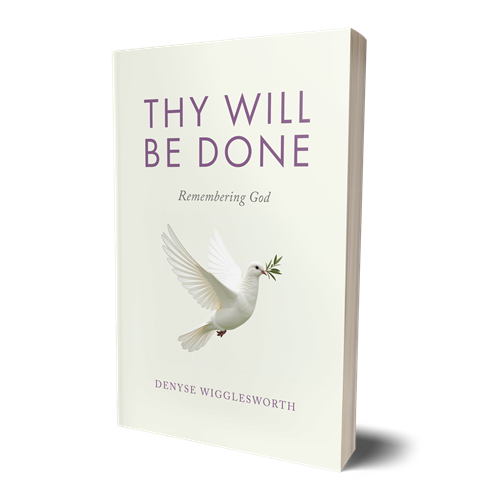
Denyse Wigglesworth
Book:Thy Will Be Done In Thy Will Be Done, Denyse Wigglesworth delivers a spiritual message grounded in peace, joy, and divine love. Guided by the Holy Spirit, Denyse shares reflections meant to awaken readers to their deeper purpose. At the heart of her book is the idea that we are co-creators with God — often unaware of the powerful role we play in shaping our own spiritual journey. Through gentle wisdom and divine insight, this book offers guidance to help readers shift their awareness, better understand “the Way,” and walk a path of love and light.
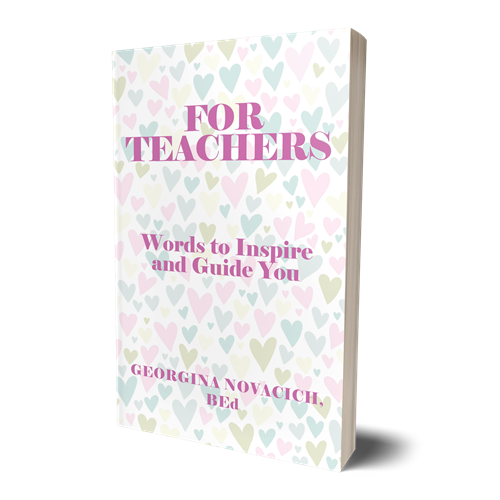
Georgina Novacich
Book:For Teachers: Words to Inspire and Guide You Teaching is more than a profession — it’s a calling. In For Teachers: Words to Inspire and Guide You, Georgina Novacich offers a heartfelt tribute to educators, recognizing the profound role they play in shaping minds, hearts, and spirits. This beautifully written book is filled with love, gratitude, and encouragement for those who have answered the call to teach. Designed as a source of daily inspiration, it reminds educators that their path is both noble and deeply impactful. Whether read at the start of a school day or in quiet reflection, this book is a meaningful companion for every teacher.
This month we’re putting the spotlight on one of Tellwell’s dedicated project managers, Reggie. As a key part of the publishing journey he works closely with our authors, guiding them through each stage of the process, keeping projects on track, and ensuring their work is brought to life.
Get to know more of Reggie and his role at Tellwell.
Can you tell us a bit about your role as a project manager at Tellwell, and what a typical day looks like for you?
A typical day starts with me completing urgent tasks such as reviewing design drafts for my authors. After that I move on to answering emails or giving authors a quick call if they need a gentle reminder about their tasks. Overall, my focus is on guiding them closely and effectively throughout the process of completing their book.
Exploring History and Science Fiction on the Oregon-California Trail
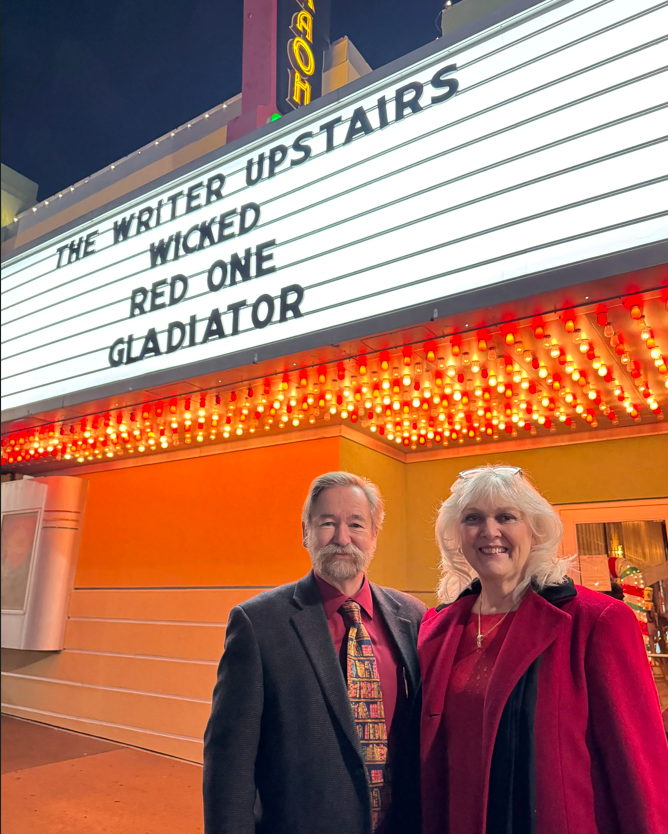
Matt and Kathy Mallinson at The Writer Upstairs short film première
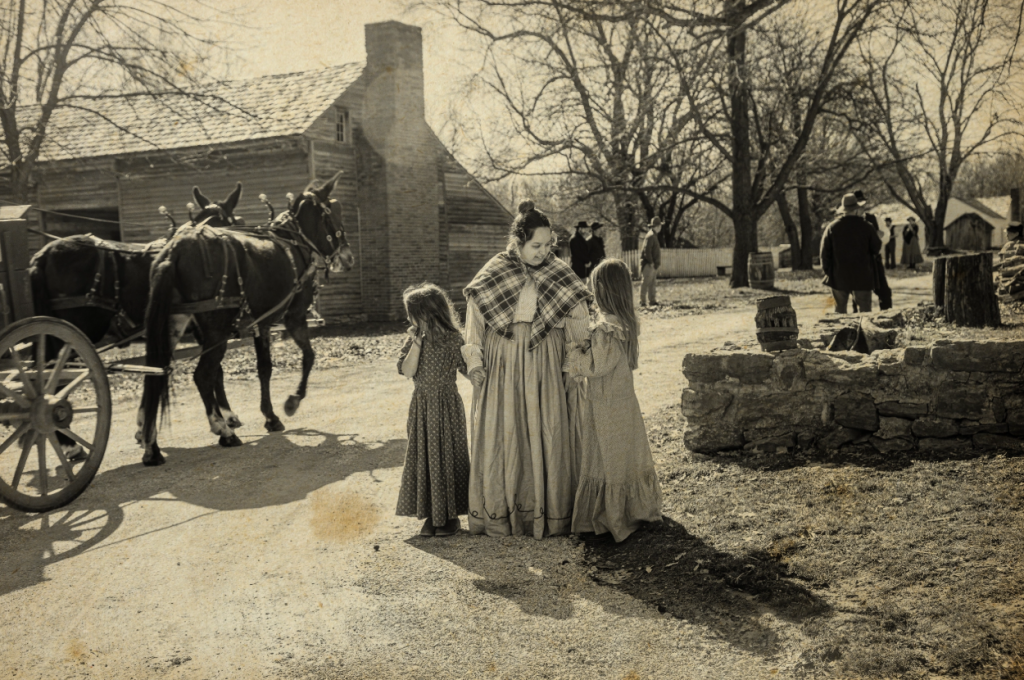
Matt Mallinson is an author, historian, and long-time member of the Oregon-California Trails Association, who also has a strong interest in the film industry. His work often draws on history, science, and the environment to create stories rooted in the American landscape. His latest novel is set on the Great Plains, where a chemist and a young woman uncover secrets of the past through a mysterious connection to the natural world. The book reflects Mallinson’s interest in history, the land, and the choices that shape our future. His debut novel The Writer Upstairs, is more than a book; it has been adapted into a short film that showcases the world of the book and some of the characters, as well as an audiobook.
We spoke with Matt about his inspiration, his ties to the pioneer trails, and the themes behind his writing.
Without the past, we would not have the present, and there would be no future.
Matt Mallinson
The Writer Upstairs trailer
What inspired you to combine science, history, and environmental themes in your latest novel?
Whether one is presenting a topic to a large convention audience, college or high school classroom, or just a small group of individuals, the speaker must know the intended audience to keep the subject engaging. The same for novels: know your audience. No matter one’s age, they can find intense interest in at least one of the three: science, history or environmental themes. All subjects are relatable to the reader.
Can you tell us about the reclusive chemist and the mysterious woman? What drew you to these characters?
Actually, the characters found me. No joke. Most good novels need a love interest, and these two, from their prior lives, seemed to have the need to bump into each other and connect. The two, and another major person in the novel, spent their well-structured and calculated early educational years being taught together. Eventually, their career paths separated the chemist and our mysterious woman, eventually coming together in the middle of the chemist’s family mountain.
How did your experience with the Oregon-California Trails Association influence the historical aspects of the book?
The Mallinson family has a deep and rich history in this area. I have grown up with family stories about the Civil War, watching the battles from an adjacent hill. Farming during good and bad years. A Native American that was always supplied a place to stay on his travels. Molly, Rex, and a variety of work animals. Gunplay, fist fights, and everything else that happened during frontier travels. These learnings gave me an appreciation of history and that we should make every possible effort to learn, treasure and respect the past. Without the past we would not have the present, and there would be no future.
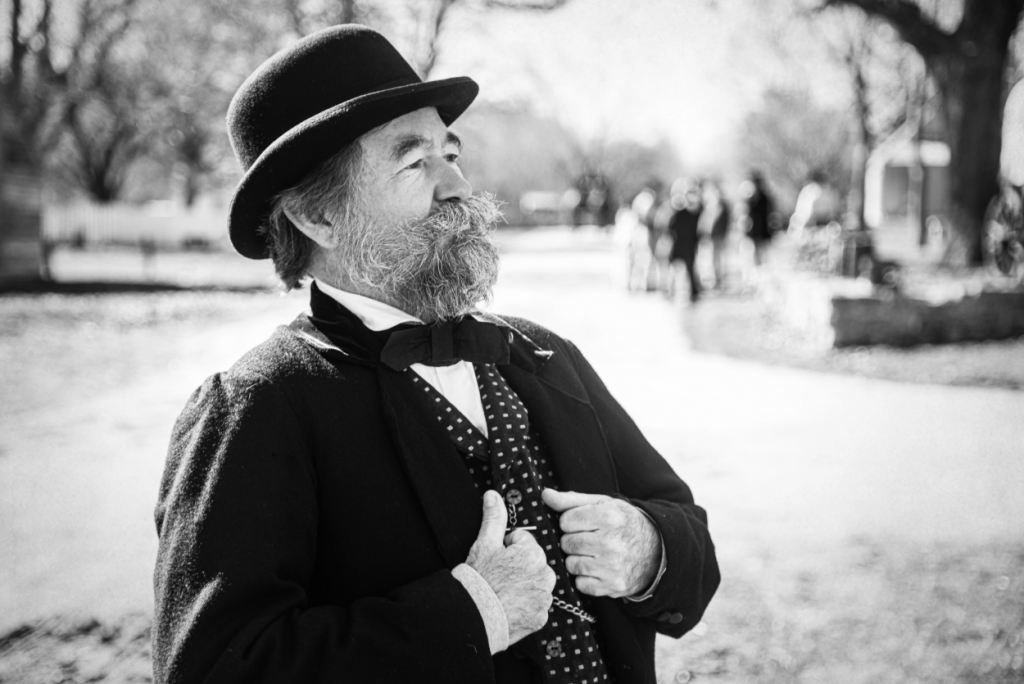
Author Matt Mallinson as the Banker in the short film based on his book.
Your book trailer is very thorough and well produced, and you act in it as well. Why did you think it was important to put so much effort into a promotional video?
I feel very strongly about the messages that we need to learn from nature, past cultures, current issues of the world, and ways to not only solve problems but to prevent new ones. We should meld the knowledge of the past with present knowledge to try to create a better future. I feel that the videos will increase people’s awareness of this present novel and the series soon to follow. I hope the more people that read these, the better place the world can become. As far as acting? Who better to play the part than the one who created the character!
What do you hope readers take away from the novel, both in terms of story and larger themes about the planet and human connection?
For a story to be of interest, it should be relatable to its readers. The Writer Upstairs is very relatable to common issues we all face. Every animal species has an expiration date. I hope these topics will stimulate enough people to take some actions to help postpone the human expiration. Working together to solve problems instead of pointing fingers or following the almighty dollar should allow us to prosper into the next millennium. We face world hunger, energy shortages, and overpopulation, just to name a few. We should search for the best solutions, not the ones that make the most financial sense to only a few.
How has living on the oldest road west of the Mississippi influenced your perspective as a historical fiction writer?
I grew up on an 1850s family farm along the trails. My children are the sixth generation in this area. I own the first natural springs that the westward travelers stopped at after they disembarked the steamships on their way to Independence. If I am quiet at night, I think I can hear the voices of the half million people that walked down this road. My mother was considered the historian for the county. I remember her looking at the large trees and saying, “If only trees could talk.” If I could be like The Writer Upstairs, I could tell more stories. She knows how to listen.
August was filled with exciting moments for our authors! From positive book reviews to award recognitions, this month highlighted the dedication and creativity behind their work. It’s always inspiring to see stories reach new readers, gain appreciation, and earn acknowledgment for the impact they create. As we close out the month, we’re taking a moment to look back and celebrate the authors and books that made August stand out.
Awards
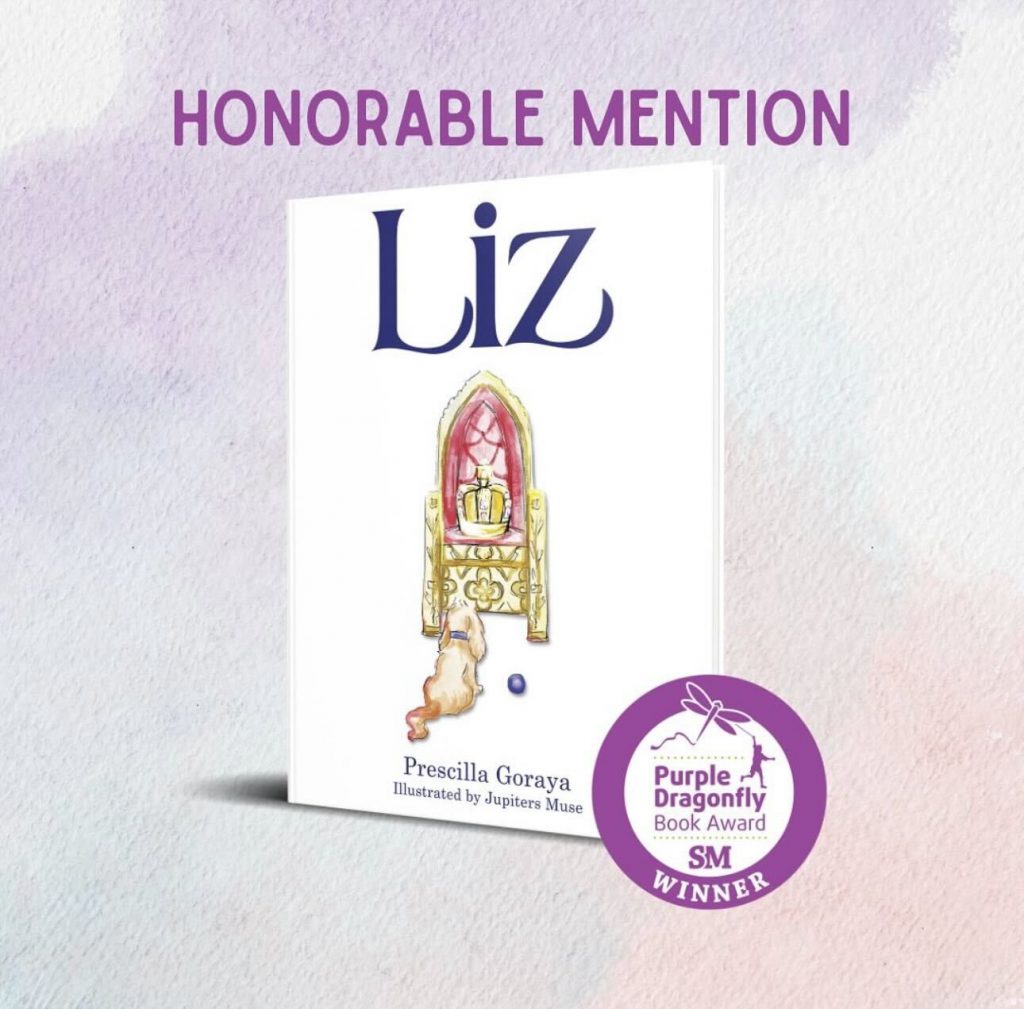
Tellwell author Prescilla Goraya has been recognized with an Honorable Mention at the 2025 Purple Dragonfly Book Awards for her debut picture book, Liz, in the New Author: Fiction Category.
In Liz, the story is told through the eyes of Queen Elizabeth II’s beloved dogs, gently exploring themes of grief, healing, and cherished memories while honoring Her Late Majesty’s legacy. An Australian-born author, teacher, and mother of two, Prescilla draws on her own experiences of loss and resilience to create stories that inspire compassion and hope.
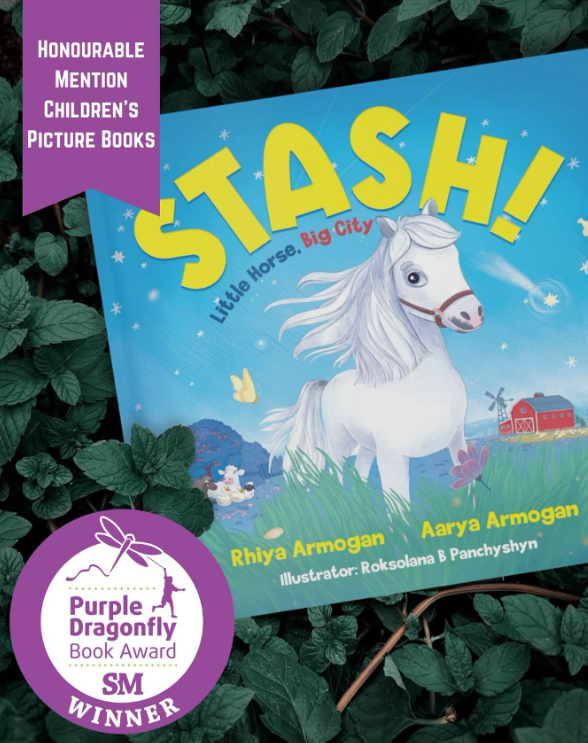
Stash! Little Horse, Big City received an Honorable Mention in the 2025 Purple Dragonfly Book Awards in the Charity and Making a Difference category.
This heartwarming story follows Stash, a miniature therapy horse who brings comfort and joy to hospitals, nursing homes, schools, and more. With his gentle nature, Stash shows the power of kindness, compassion, and the big difference one small horse can make.
Written by sisters Rhiya and Aarya, passionate equestrians and community advocates, the book is inspired by the real Stash—the only certified therapy mini equine in Toronto. Along with illustrator Roksolana, they’ve created a touching reminder that sometimes the smallest among us carry the biggest hearts.
Zlata Pryudyus has been recognized on the 2025 American Book Honor Awardee list by Writers Global.
Her book, Amy and the Magic Forest, follows Amy, a young girl who stumbles into a magical realm after a fight with her best friend. Guided by Freya the fairy, she faces challenges, learns the value of teamwork, and discovers the true meaning of friendship.
Zlata, a sixth grader from Vancouver, first wrote the story as a school assignment at HongDe Elementary. With encouragement from her teachers and her mom, Roxi, she turned it into a published book. Passionate about storytelling, she hopes to inspire other children to embrace creativity and imagination.
Publicity
Local author Joe Lyons-Rising has released a heartfelt self-help book on coping with grief and loss, drawing from his own experiences to guide others through healing.
The book was recently featured in BarrieToday, where Lyons-Rising shared his hope of inspiring readers to face their struggles and find peace.
With honesty and compassion, his work stands as both a personal story and an encouraging resource for anyone navigating life after loss.
Dr. Mark Tyndall is taking a stand for tobacco harm reduction, sharing his insights in his new book Vaping: Behind the Smoke and Fear. With decades of experience in HIV care and harm reduction, he frames safer nicotine products as a “safe supply” for people who smoke.
In a feature by FilterMag, Tyndall reflects on how strict smoking bans often force patients into unsafe situations, showing the need for compassion and practical solutions instead of prohibition.
Reviews
Author Mala Khiroya received a glowing 5-star review from Reader Views for her book Pundalik & Lord Vitthala: The Man Whom God Visited Because He Served His Parents Selflessly with Love. This beautifully crafted children’s story shares the tale of Pundalik and Lord Vitthala, teaching young readers about love, kindness, and selfless devotion.
Pundalik & Lord Vitthala: The Man Whom God Visited Because He Served His Parents Selflessly with Love,” by Mala Khiroya, is more than an inspiring children’s book on the subject of respecting parents. It’s also a guide and fun workbook for children to explore, write in, and engage with to find deeper meaning in service to parents.
-Reader Views Book Review
Author Philippe Le Blanc received a glowing 5-star review from Reader Views for his book Advantage Equities: Invest Between the Lines and Win. Blending lessons from the tennis court with the world of stock market investing, Le Blanc offers readers a fresh and practical approach to building financial success.
Advantage Equities: Invest Between the Lines and Win, by Philippe Le Blanc, teaches you the ins and outs of investing and the stock market by merging two things: tennis and the stock market. This is a fascinating look at the stock market through the lens of tennis, and the world of tennis through the lens of investing. They have more to do with each other than you might think, and this big, bold book shows you how and why.