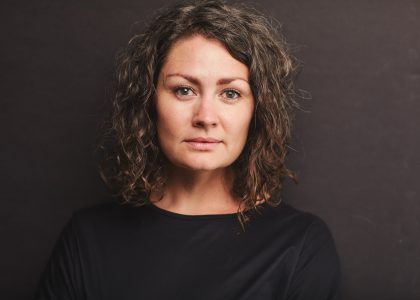
Amber White is a multi-talented illustrator based in North Hollywood, California. With a background in sculpture, special effects, and wearable art, she brings a whimsical, earthy flair to every project. At Tellwell, Amber works closely with authors to bring their stories to life through expressive and detailed illustrations.
Read on to get to know her better!
1. Hi Amber! Tell us a bit about yourself.
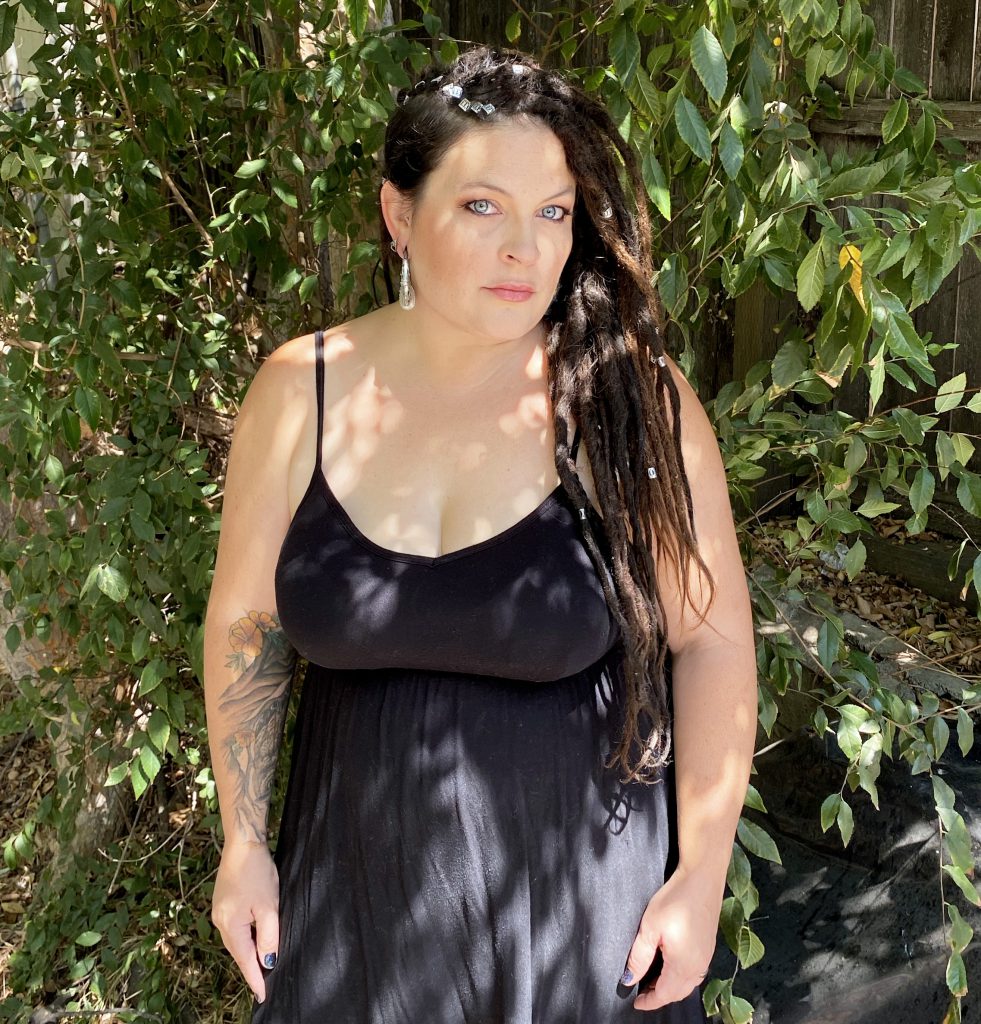
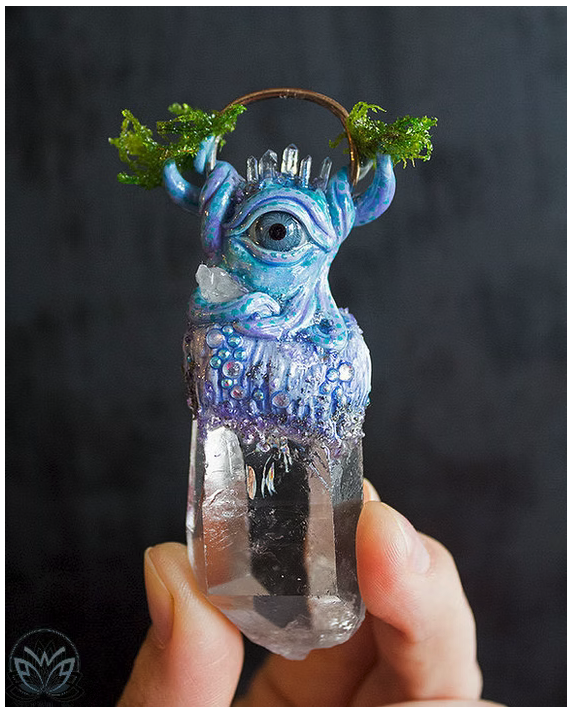
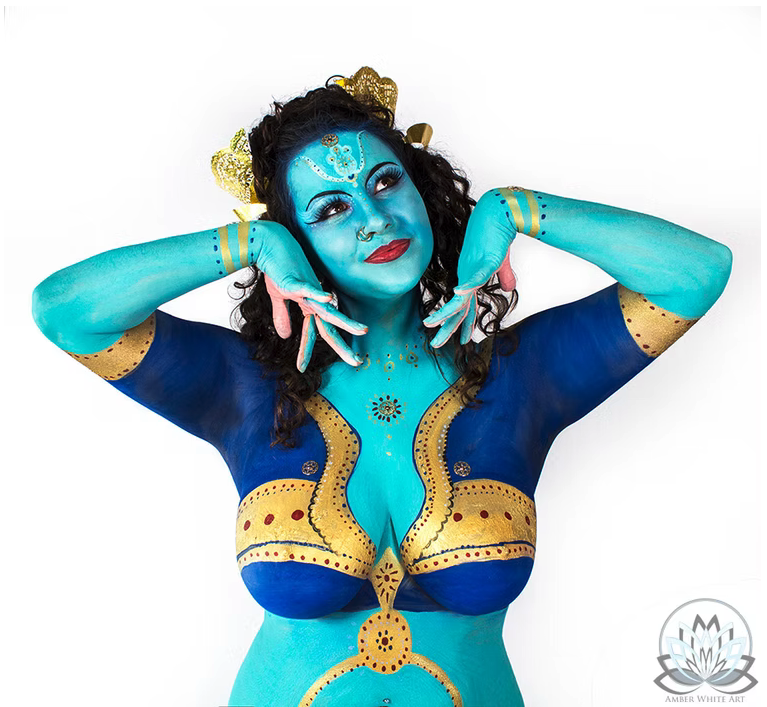
Well hello, hello! I’m based out of North Hollywood, California. Outside of illustrating I work in sculpture and attempt to bring out creatures from natural elements to be worn as wearable art. I sell them online. I’m busy at home raising my three little boys, all under the age of eight. Through the year I am randomly brought back on board to my creature-creation film work as a special FX artist. I also do scenic work as well as various freelance art projects and body painting. It’s a constant eclectic, artsy, happy lifestyle. Plus I garden, a lot.
You can also check out my website here.
2. How did you get started as an illustrator?
A mix of things, I suppose. I’ve always enjoyed drawing, painting, and illustrating. Murals and freelance illustration artwork always seemed to find me, but I never pursued it as a career. I fell into film at a young age and became a ghost artist in the LA art scene for a while. But when my husband gifted me with my huge Wacom drawing pad for Christmas last year I became addicted. I even started on a children’s book my husband and I created from a few years ago just for fun. Turns out people seem to like what I do, so I just kept at it.
3. What kinds of illustration projects do you enjoy working on the most?
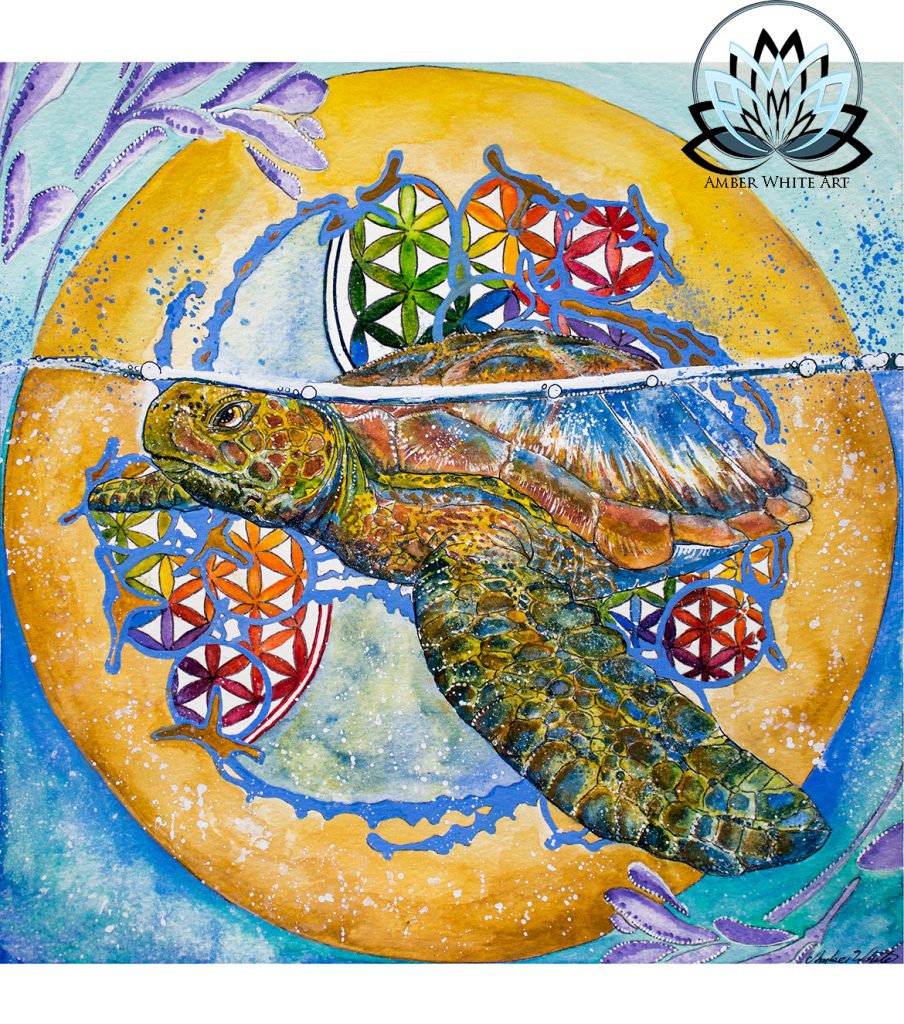
I definitely gravitate towards whimsically detailed illustrations in watercolour-style artwork that feature anthropomorphic animals. I love painting watercolours by hand or digitally, with finely detailed ink-line drawings and cross-hatching with earthy warm tones and layers. That’s my happy place. But to be honest, as long as I can be brought onto a project to draw, I’ll create in any style anyone asks for if I can muster the skill. I still consider myself very new to this world, so I enjoy discovering all levels of what folks ask me to create. It might lead to a whole new style I didn’t know I could do before.
4. How did you become involved with Tellwell, and what’s it like working as a contract illustrator here?
After I started building up my illustration portfolio I was referred to TellWell by my buddy [marketing consultant] Ben St. James. I was looking for a way to stay home with my boys, and this came up in conversation as a possible creative source to enable me to be a stay-at-home mom and still get that persistent creative but lucrative urge satisfied. I’ve really come to enjoy working with TellWell. The team is well balanced and I felt very welcome from the start. Especially my department head, Jamie—you can tell she’s a major cornerstone for the flow of projects and has been so helpful to me on learning how everything comes together. TellWell is a well-oiled machine with a team of people that care. It’s refreshing.
5. Can you walk us through your process when illustrating a children’s book?
I prefer to print out the manuscript, sit with tea, and do a nice read-over with a sketchbook in case I need to jot down ideas. Sketch, sketch, sketch by hand first before the digital world—that is my saving grace, as well as my children. My kids are the life behind most of my characters, with all the expressions and highs and lows they supply to me visually. I enjoy escaping into my client’s visions for a project—a whole new palette of colours and characters. It’s invigorating.
6. You collaborate closely with authors who have unique visions for their books. How do you ensure their ideas come through in your artwork?
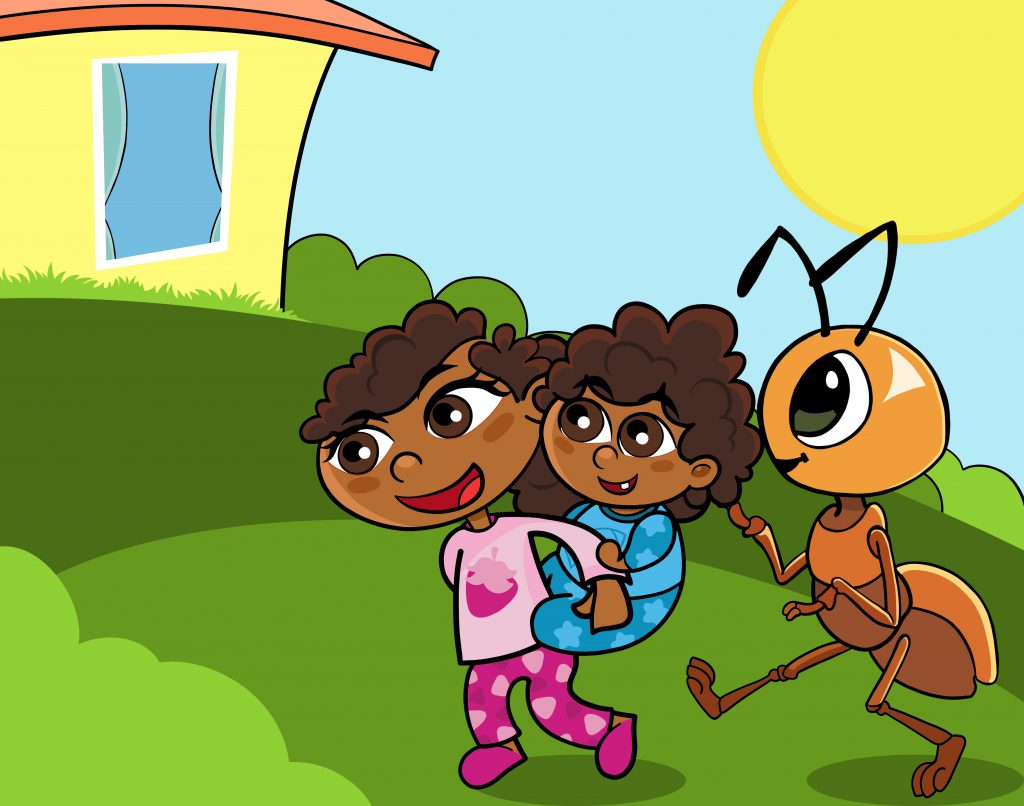
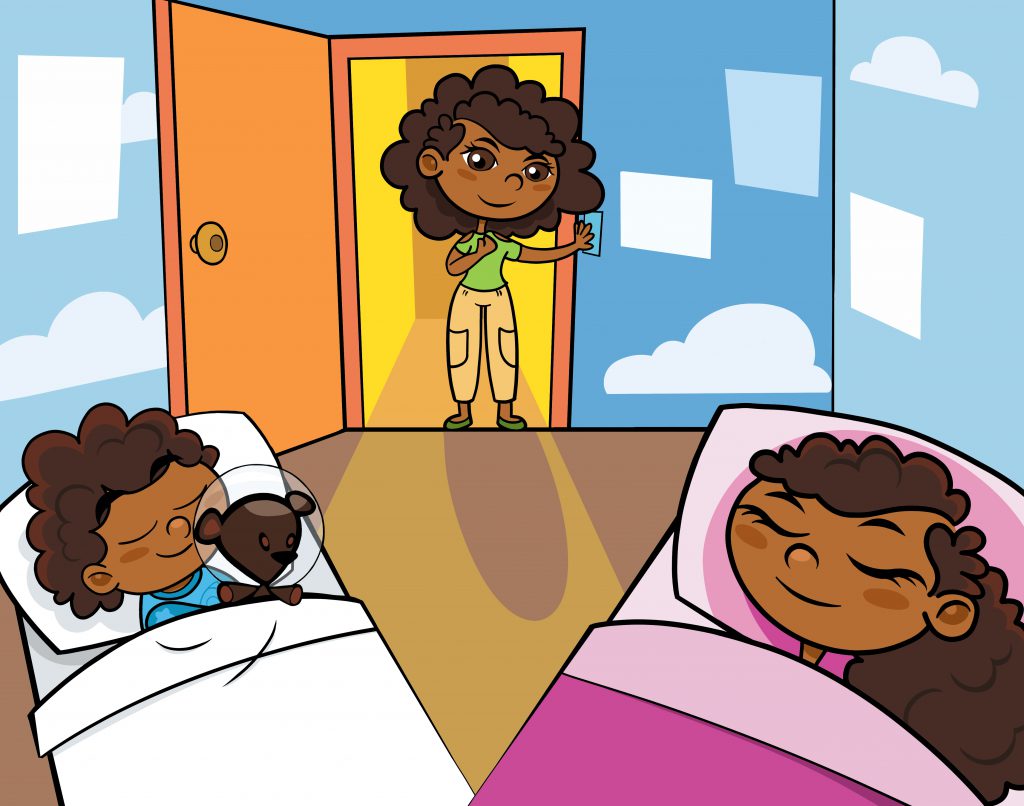
Can any artist truly ensure their clients’ ideas come completely through in our artwork? I feel there is a space for push and pull in this kind of professional relationship. When we sit down as artists, it’s very rarely that the exact thing you wanted to draw comes through. So I would imagine as an author you have to provide some level of grace for the artist to interpret ideas. The only thing I feel I can ensure is my attention to the details they provide, whether they be direct or vague, and fill in where I can creatively.
7. What are some of the challenges that come with illustrating for self-published authors, and how do you handle them?
It really varies from project to project, but some challenges from the self-published authors are the level of communication, or lack thereof. Some clients are very direct and know exactly what they want. For the tricky ones, the ones full of emotion but not specific direction, I really try to break it down and sift through it all to find the main points and messages they are trying to deliver to the audience. All we can do is our best and keep creative communication open. Patience and going with the flow doesn’t hurt either!
8. Have you ever worked on a book that really stuck with you? What made it special?
Yes! My first assignment with TellWell. It had so much synchronicity I couldn’t help but think there was some higher power at work making it all line up. It was like the book was literally made for me to help bring to life! The story had a young boy of my son’s age exploring with dinosaurs, little mini adventures, newly hatched baby dinos and Halloween (my favourite holiday). The colours and fun wholesome concepts reminded me of something my father would have written for me to draw from. The author never asked for changes and had only positive feedback—it just flowed easily and I had a lot of fun with it.
9. How do you balance creative freedom with staying true to an author’s vision or manuscript?
Creativity for me is comparable to muscle memory. You just get into the flow of it once you’re ready to engage in the project, and if this particular creative flow is needed to fuel another person’s vision, you need to let go of ego. That’s all: just release it and be a creative vessel that sets your own narrative visions for this manuscript to the side until another day, and pretend to be that author’s little paintbrush motivated by their vision only. I sometimes catch myself thinking, If this author could draw, what would they attempt to create for this particular part?
10. Many authors are new to the publishing process. How do you guide them when it comes to things like illustration style, page layout, or character development?
Illustration style—think about the audience and what is attractive to them. For example, children’s books? Bright, happy, simple, and positive imagery. Page layout? Do you have a lot of text or is this solely a visual representation of your story? That will determine the detail and empty space you want to fill or not have filled up visually. Character development: again, consider your audience—young adults? What’s your message? Encouragement, overcoming obstacles, learning a lesson? Reflect upon what made an impact for your younger self—what’s caught your attention or stood out for a character with you as a developing author? These are good starting questions. Get that author to do a little inner digging!
11. What are some misconceptions authors may have about illustration timelines or revisions? How do you help manage expectations?
Hmmm, I haven’t run into any problems with timeframes yet (knock on wood), as I have a generally quick turnaround. I always try to meet expectations with reasonable planning and time management.
12. Lastly, what advice would you give to authors who are just starting to think about illustrations for their book?
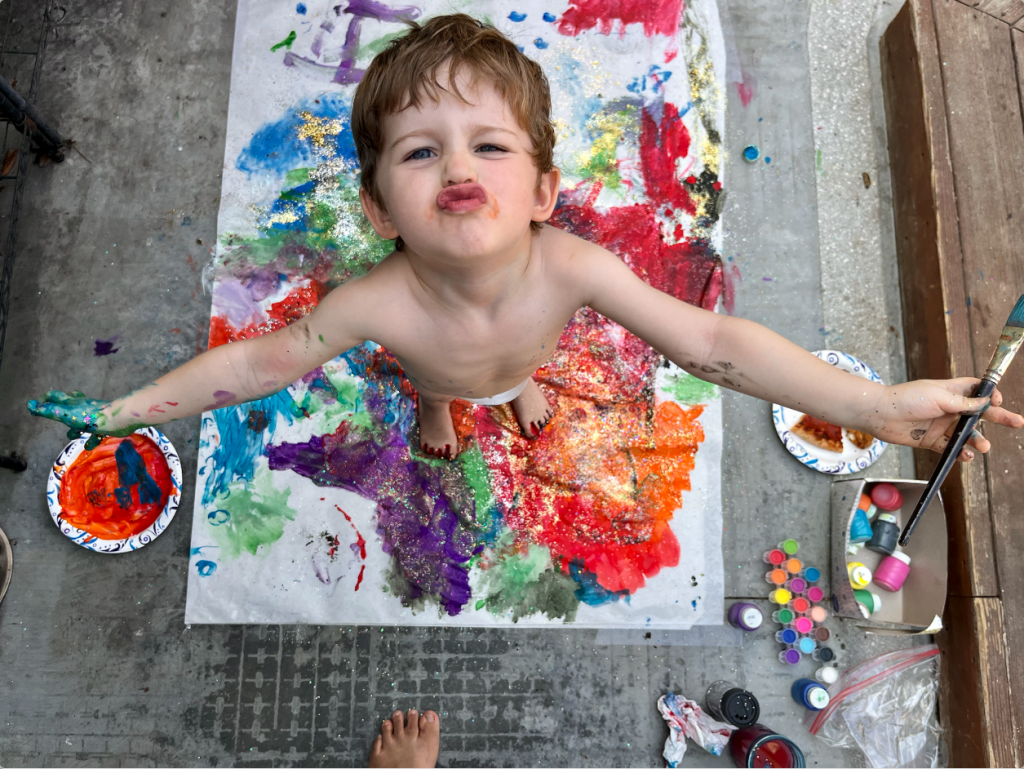
As we start out on a new creative path, we sometimes are our own worst critic more times than we should be. Just remember, when you’re working out a sketch, idea, drawing, etc., that if you find yourself discouraged, maybe try out a little mantra I’ve used. I say to my ugly little creation that I pick apart or just want to toss out: “Someone out there will love you.” I’m serious, just say it to the drawing. Someone out there will love it. It doesn’t have to be you, but just keep drawing, don’t stop creating and moving forward with your art.
Here’s a look at one of the video projects Amber collaborated on: