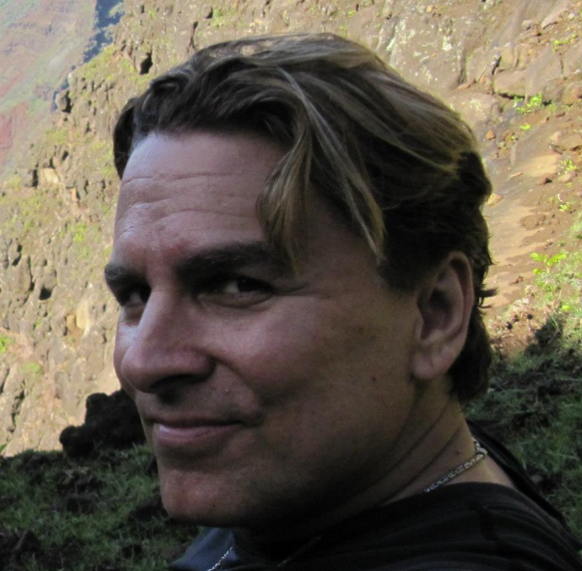
From nearly three decades in the wilderness to sharing his stories through self-publishing, Greg Nolan looks back on a life shaped by treeplanting, adventure, and unforgettable experiences.
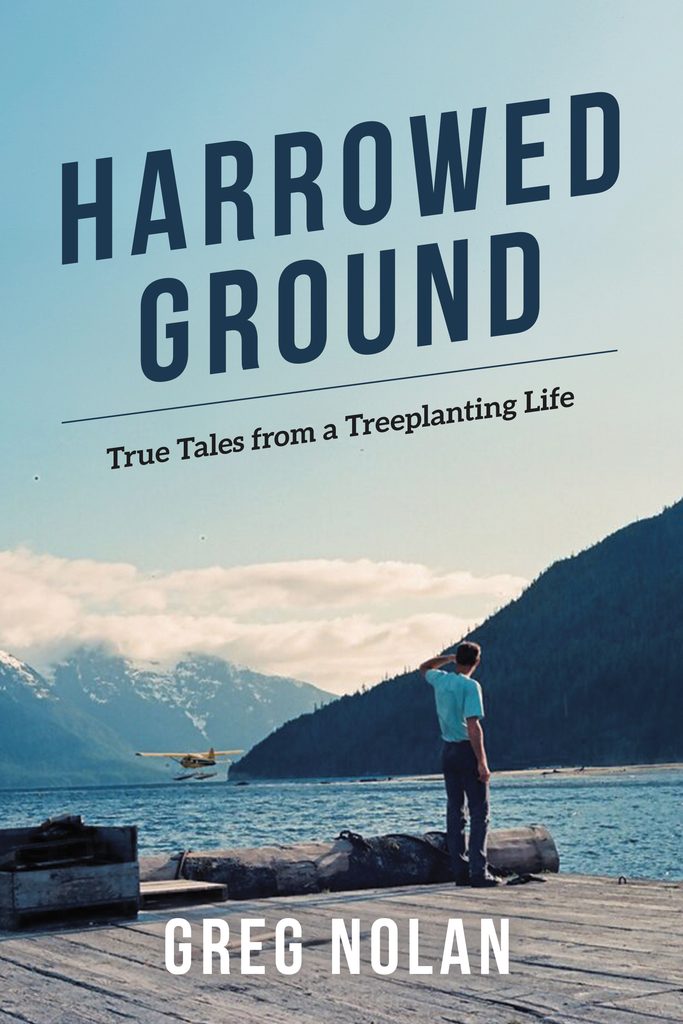
Greg Nolan has spent nearly three decades working in some of British Columbia’s most remote wilderness, from dealing with grizzly bears to weathering violent coastal storms. He’s got plenty of stories to tell, and two books to show for it.
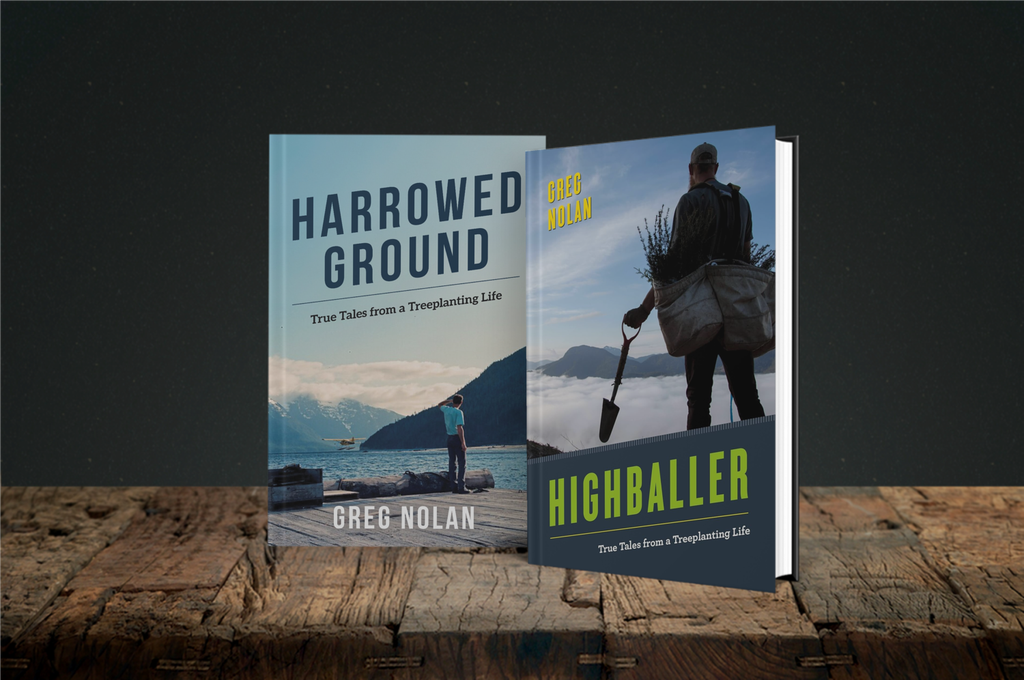
His first book, Highballer: True Tales from a Treeplanting Life, gave readers a look at the world of professional treeplanting. Now, Greg is preparing to release his upcoming memoir, Harrowed Ground, which shares more of his experiences in the industry, including the challenges, friendships, and adventures that have shaped his life.
In this interview, Greg talks about his books, his years in the treeplanting industry, and what led him to self-publishing.
“These experiences instilled in me a deep respect for the intense beauty, raw power, and unforgiving temper of Mother Nature. They also revealed an inner resolve I hadn’t recognized in myself—clarity amid chaos, composure in the face of adversity.
Your first book, Highballer: True Tales from a Treeplanting Life, introduced readers to the demanding, often unpredictable world of professional treeplanting. What first inspired you to put those experiences into a book, and what did you hope readers would take away from it?
I always knew my career choice was an unusual one, and I suspected that many of the stories I brought home from the remote wildernesses of British Columbia were worth retelling. But it wasn’t until a late-night fireside conversation with a couple I encountered on a remote hiking trail, several years after retiring from the industry, that I realized just how compelling they could be. My new friends encouraged me to put pen to paper, and I took their advice. After scribbling a rough account of a run-in with a territorial grizzly bear in Bute Inlet during my rookie season, I was hooked on the process.
That first tale opened the floodgates. Soon I found myself documenting my experiences from the very beginning, starting with the day I strapped on my first set of planting bags and continuing through a career that spanned nearly three decades.
In the first book, beyond chronicling a series of wild adventures, I wanted to draw readers into the headspace of a wide-eyed kid experiencing the intensity of true wilderness for the first time: lying awake in a tent, trying to make sense of heavy footfalls and snapping twigs in the darkness beyond the canvas; watching a storm roll in that threatened to ground the helicopter, the only way off the mountain; and discovering what it felt like to burn more calories in a single day than a marathon runner would during an entire race.

Highballer received considerable media attention, bringing the world of treeplanting to readers who might never have encountered it otherwise. What surprised you most about the response to the book, and were there any reactions that changed how you viewed your own experiences?
I expected a certain amount of media attention, but I wasn’t prepared for the volume of interest or the number of interview requests that followed. In hindsight, it made sense: the tale of a naïve young city punk dropped into the volatile wilderness of northern British Columbia for months on end seemed to resonate with people, particularly in an era when technology insulates many of us from hardship, uncertainty, and genuine adventure.
Many of the events I described in Highballer had become so familiar over the years that I rarely stopped to consider how extraordinary they might seem to others. More than once, I heard reactions along the lines of, “Chapter two, Greg… seriously?”—a reminder that years of exposure had dulled my appreciation of just how remarkable those experiences truly were.
The title Harrowed Ground carries both a literal meaning, reflecting the landscapes left behind by logging, and a potentially more personal one. What does the title mean to you, and how does it capture the larger story you’re telling?
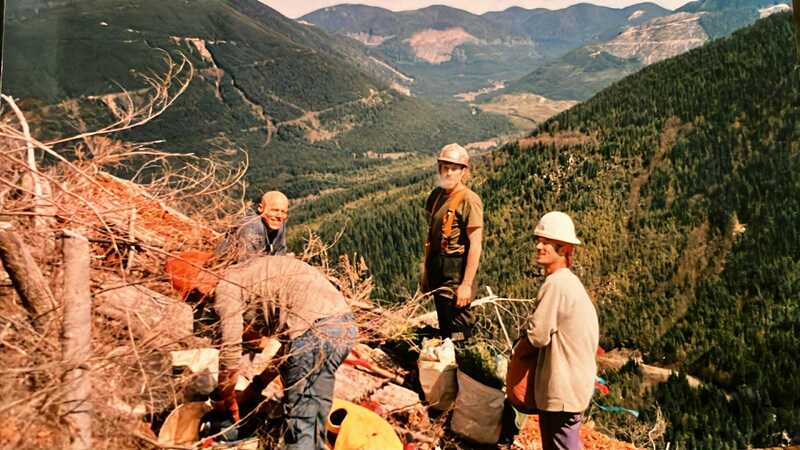
For Harrowed Ground, which picks up where Highballer left off, I wanted a title that captured the broader scope of my experiences in the silviculture industry. It follows my transition from a high-production treeplanter, having personally planted roughly 2.5 million seedlings, to overseeing the planting of tens of millions more as a project manager and contractor.
In a literal sense, the title refers to the chainsaw-razed landscapes my crews coaxed back to life in some of the most geographically isolated and logistically challenging regions of British Columbia, many of which were only accessible by air or water.
On a more personal level, Harrowed Ground reflects a different stage of my journey. The book retains the same sense of adventure and momentum that defined Highballer, but it is told through the eyes of a veteran rather than a wide-eyed rookie. The wilderness was the same—remote, rugged and unpredictable—but my relationship with it changed.
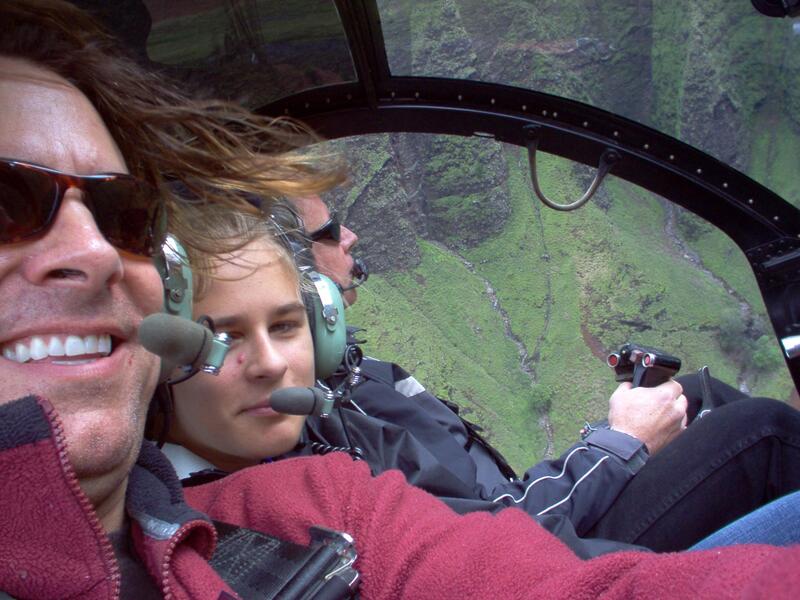
The new book takes readers into some extraordinary situations, from battling violent coastal storms to working in remote locations where even reaching the job site could be an adventure. Looking back, which experiences best illustrate the physical and psychological demands of the work, and how did they shape you?
The episodes I detail in Harrowed Ground are remarkably vivid, despite dating back decades. I’ve been blessed (cursed) with hyperthymesia, a condition that allows for near-total autobiographical recall. There’s no embellishment in the telling; these memories play back like movies, complete with sound and colour.
Some of these experiences were life-affirming, a few life-altering and character-defining. The events that posed a threat to life were among the most memorable and left the most lasting impressions: hostile grizzly encounters along the mainland inlets, narrow escapes with helicopters, showdowns with loaded logging trucks on mountainous single-lane spur roads, violent coastal storms. Every day seemed to produce something worth documenting. These were the Wild West days of treeplanting when there were few rules governing our worksite safety, which only heightened the sense of adventure.
These experiences instilled in me a deep respect for the intense beauty, raw power, and unforgiving temper of Mother Nature. They also revealed an inner resolve I hadn’t recognized in myself—clarity amid chaos, composure in the face of adversity.
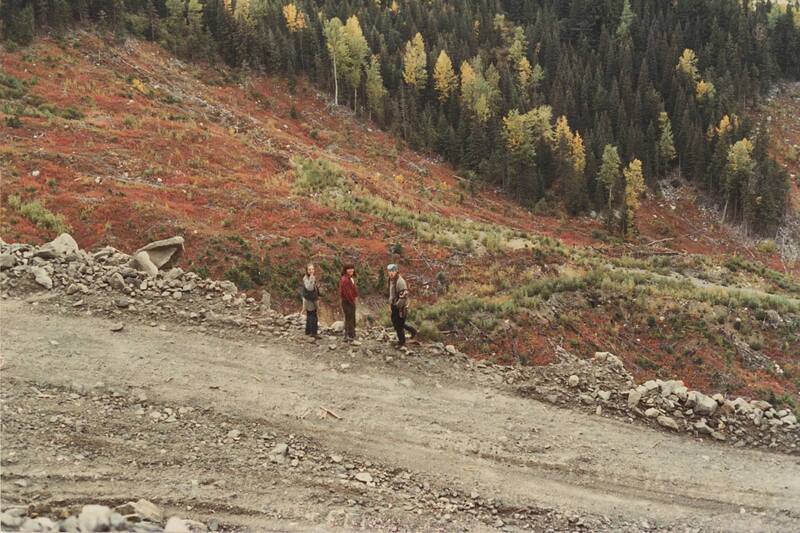
Your memoir gives considerable attention to the people who shared this world with you, particularly your planting partner and close friend Deano. What made the relationships formed in such demanding circumstances so distinctive, and why was it important to preserve these people’s stories alongside your own?
My treeplanting adventures often took me away from home for eight or more months each year. Whatever free time I was allowed during the off-season was simply an opportunity to heal and train my body for the next round of adventures.
The people I surrounded myself with in the industry, men and women alike, were my world, and they were remarkable people: athletic, adventurous, often well-educated, rich in character and, in some cases, poised to break hearts.
When you endure work as physically demanding as treeplanting, you tend to lean heavily on your crewmates for support. One study pegged a highballer’s daily burn rate at roughly 8,000 calories, the equivalent of running two and a half marathons. When you’re expending that kind of energy, especially during the hostile winter storm months on BC’s coast, the bonds you form become exceptionally tight. You mention Deano. Yes, he was my treeplanting partner through those brutal winter months. We were opposites and had very little in common, yet he became my closest friend. Those demanding circumstances made it so.
For that reason, it never felt right to tell only my side of the tale. These adventures were rarely solitary experiences. The people alongside me shaped the journey and often helped carry me through the most difficult moments. Sharing their stories was my way of acknowledging that Harrowed Ground is as much about the characters as it is about the adventure itself.
Many aspiring authors hesitate to pursue publication because they assume they need a traditional publisher’s approval before their work can find an audience. Based on your experience, what advice would you offer writers considering self-publishing, and what would you say to someone who needs encouragement to forge their own path?
Attracting the attention of a traditional publisher is a tremendous confidence boost for a fledgling author. Securing a contract and a bonus cheque is satisfying on multiple levels, but the honeymoon phase of the relationship can be short-lived when creative differences arise and financial interests come into play. There’s always potential for conflict if you don’t see eye to eye on the length of the manuscript or certain elements of its content.
The self-publishing journey has obvious advantages if creative control tops your list of priorities. But you need to go in with your eyes open. A traditional publisher brings in a professional editor, handles much of the work behind the scenes and takes on the responsibility of facilitating a proper launch. Self-publishing requires a much bigger commitment, particularly when it comes to the final edit and marketing.
My advice to aspiring authors would be not to wait for someone else’s approval before pursuing a story you believe is worth telling. There are more avenues available to writers today than ever before, and self-publishing offers a legitimate way to bring your work to an audience.
Mind you, I’m new to the self-publishing journey. I’ll have to get back to you once Harrowed Ground is launched and the numbers roll in.