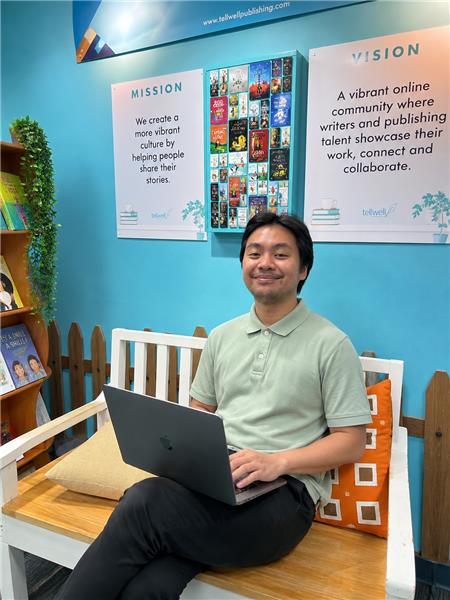
In this month’s Meet the Team feature, we’re introducing Bruce, one of Tellwell’s publishing consultants. From helping aspiring authors navigate their publishing options to hearing the stories and motivations behind their books, Bruce plays an important role in helping authors take their first steps toward publication.
Get to know Bruce, his journey into publishing, what he enjoys most about working with authors, and the advice he has for anyone considering publishing a book.
Please introduce yourself and tell us a little about your role at Tellwell.
Hi, my name is Bruce Navarro, and I’m a publishing consultant at Tellwell. I’m often one of the first people authors interact with when they’re exploring their publishing options, so my role is really about helping authors understand the publishing process and figuring out how we can help bring their books to life.
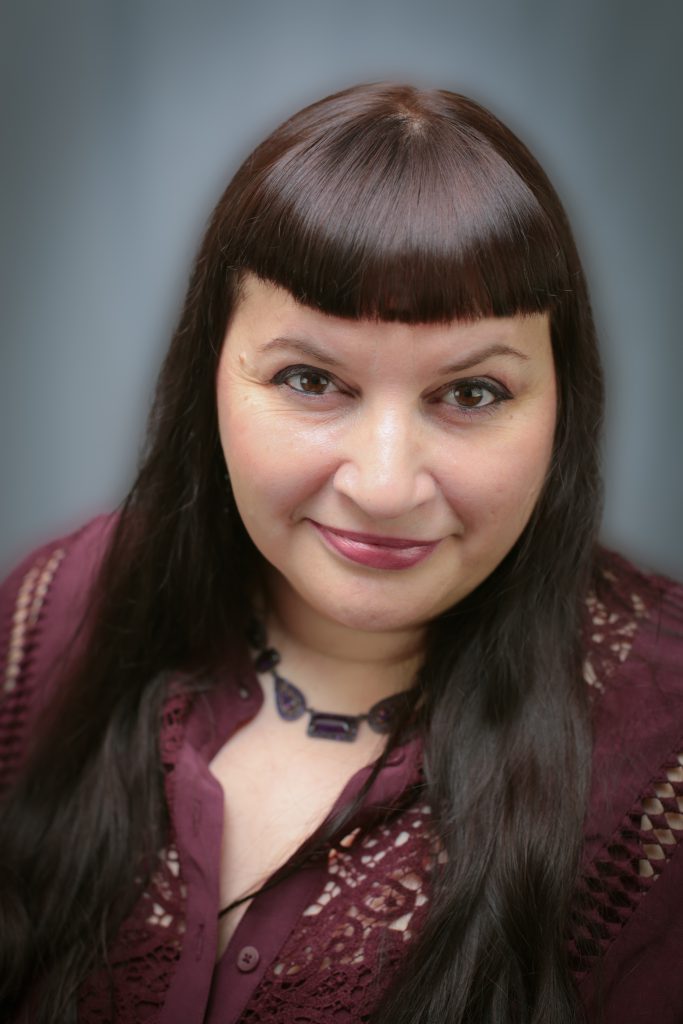
This December, Tellwell Publishing is shining a spotlight on one of our talented editors, Melanie. As part of the Tellwell editing team, Melanie works behind the scenes to support authors and guide them through the book-editing process, from manuscript development to final polish.
Get to know Melanie, learn more about what it’s like working with a professional book editor, and read her advice for authors preparing their books for publication.
Can you tell us a bit about your role at Tellwell Publishing and what a typical day looks like for you as an editor?
With the various editorial options that Tellwell offers its authors, my role as an editor takes many forms. Each dictates the depth of editing I will perform. Sometimes I get the privilege of being the first eyes on the book to give a brief summary based on a light perusal. I comment on the general shape of the manuscript and advise on the extent of edits that would be most useful to the author. At other times, I’m reading the manuscript in its entirety, looking at the overall structure and quality of a work to be able to deliver a manuscript assessment report, advising the author on the main points for improvement. Still other times, I’m drilling deep down into the manuscript in the form of a substantive edit to strengthen character arcs, conflict, plot points, tension, pacing, and flow. Or, in the case of a non-fiction manuscript, organization and presentation of ideas, instruction or theories. And finally, as a copy editor, I get to go on a treasure hunt, sussing out errors and inconsistencies in capitalization, spelling, and punctuation, and looking for grammatical errors. Ultimately, I’m working hard to make sure the author is reaching their reader with a well-presented, structured story or argument that is professionally polished.
As far as what a typical day looks like for me, well, at any one time I can have any or all of the above types of editing on my task list. It’s these times, when I’m dealing with overlapping deadlines, that I have the freedom and room to choose what branch of editing best suits my mood that day, or I can tailor my day to doing a small job in the morning and a more in-depth job in the afternoon or vice versa. But no matter what my task list looks like, I’m always fully present and engaged in whatever manuscript I’m working on.