Category : Author of the Month

Author of the Month

Author Of The Month: Anna Maria Cervo

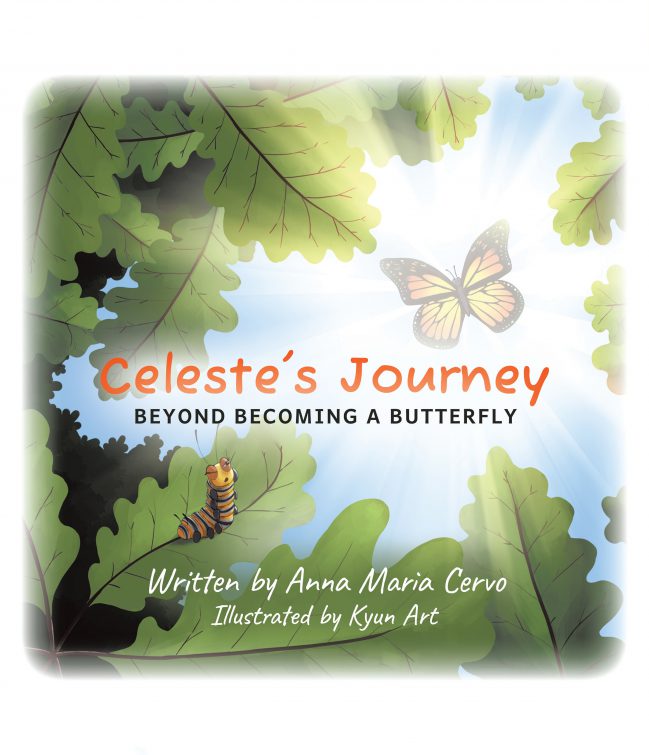
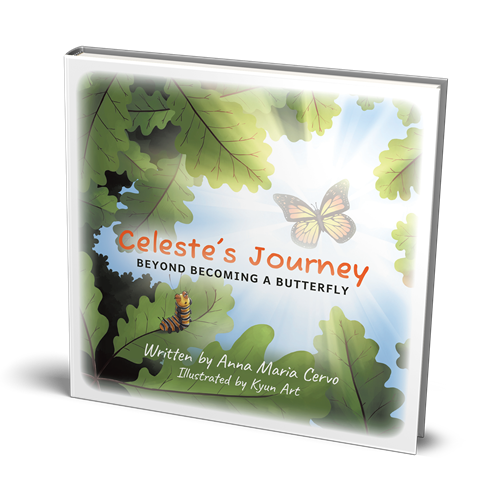
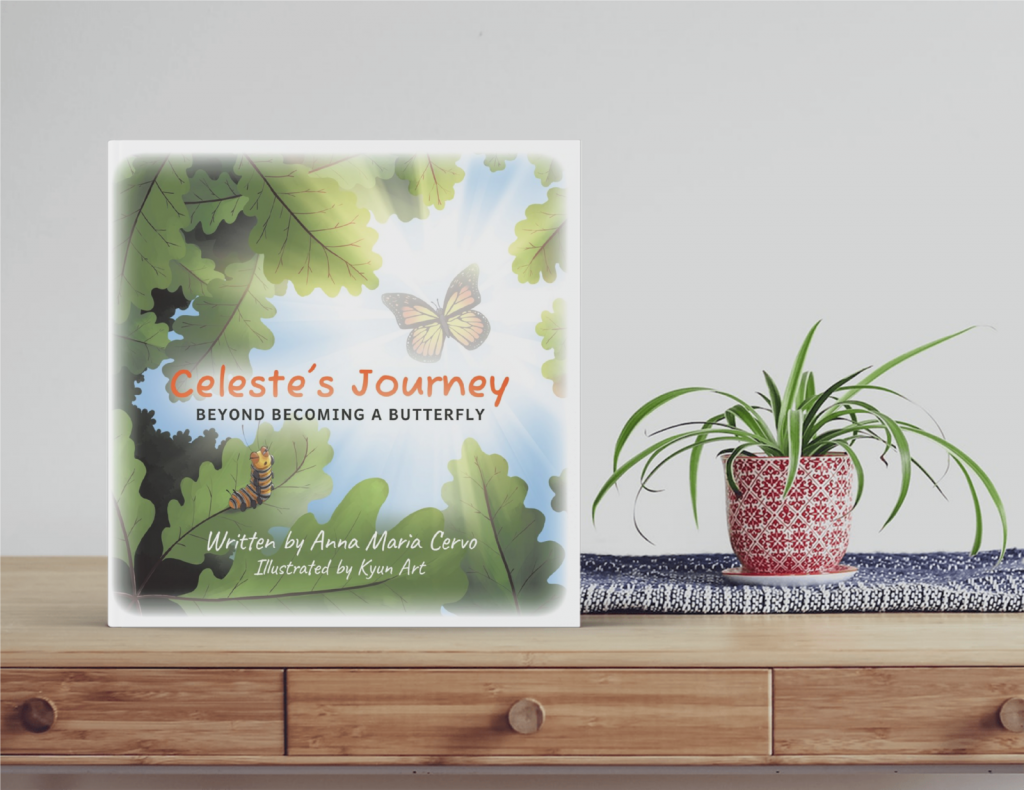
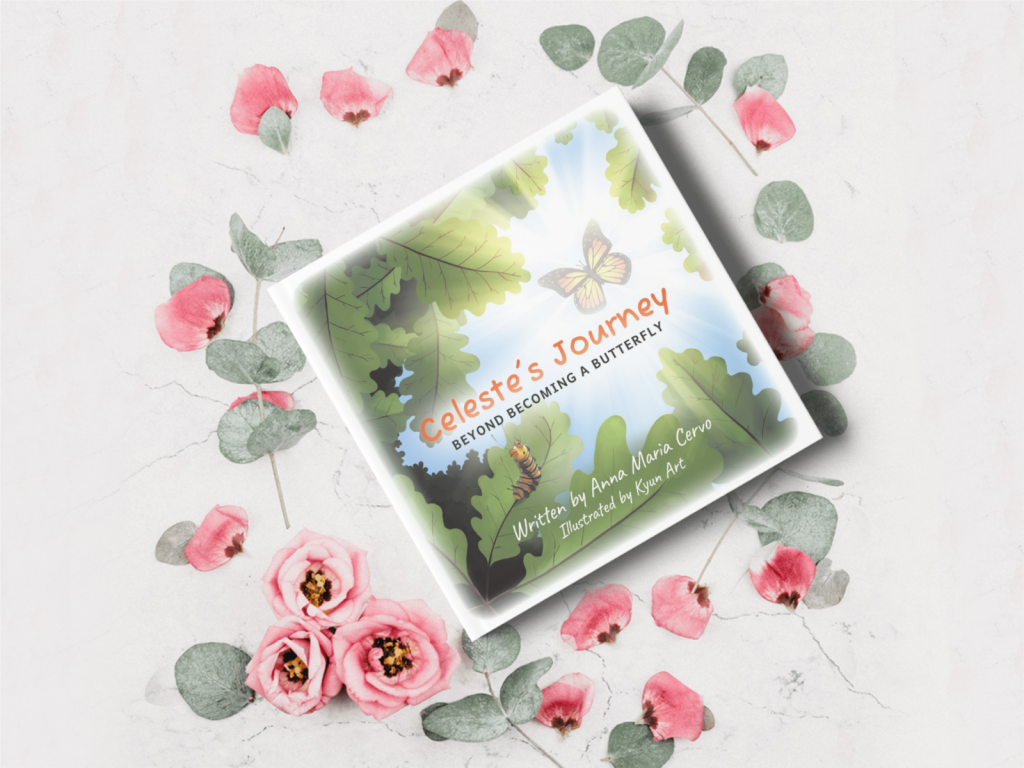
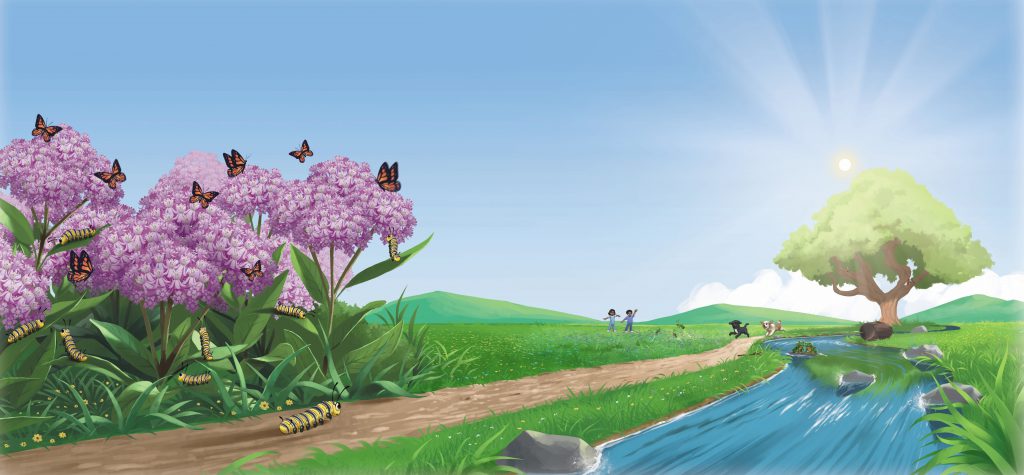
Teaching Children to Embrace Change: Anna Maria Cervo on the Journey Behind Celeste’s Journey

Sometimes it can be difficult for children to understand complex and profound concepts. Learning about the intriguing transformation of a caterpillar into a butterfly can give children a relatable way to explore these ideas, ask questions, and better understand themselves.

Anna Maria Cervo

With more than 35 years of experience as an elementary teacher and a background in child development and psychology, Anna brings a deep understanding of children’s emotional development to her first picture book, Celeste’s Journey: Beyond Becoming a Butterfly.

Inspired by a vivid dream during a challenging time in her life, the story explores change, courage, friendship, and self-discovery through the journey of a young caterpillar. In this interview, Anna discusses the inspiration behind the book, her teaching experience, and the unexpected ways her own journey as a first-time author mirrors Celeste’s.

You have more than 35 years of experience as an elementary teacher, as well as a background in child development and psychology. How did your experience working with children shape Celeste’s character and the social-emotional lessons presented in Celeste’s Journey?

My education in child development and psychology, along with my experience as an elementary school teacher, has given me insight into the abilities and needs of children of diverse ages and backgrounds. Throughout my career, I have come to recognize the importance of incorporating social and emotional learning into the academic curriculum. Social-emotional learning (SEL) helps children develop self-awareness, understand and regulate their emotions, understand how they perceive the world, and build healthy relationships. I believe these skills foster resilience, confidence, and an appreciation for their unique qualities—all key factors that support a child’s overall well-being, mental health, and academic success.

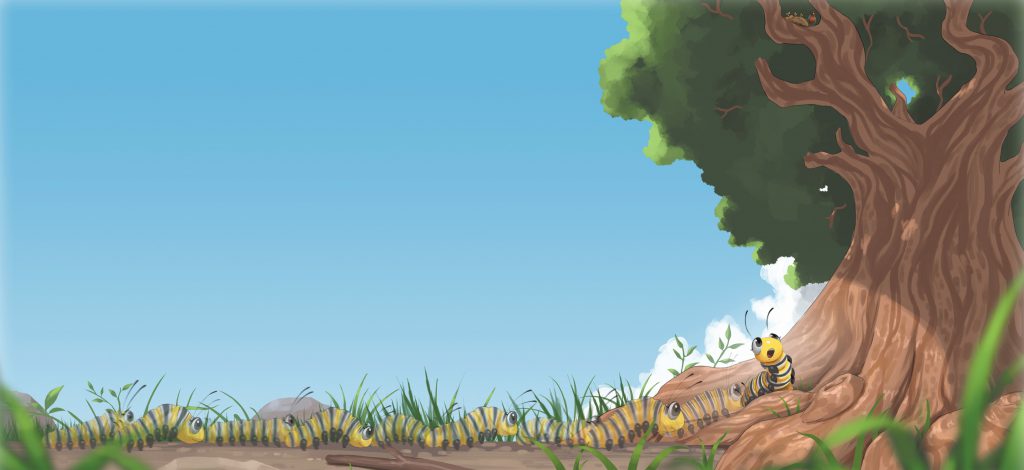
Celeste’s Journey is a beautiful story about a curious young caterpillar, personified as a child who is excited to discover her world, but also becomes uncertain and anxious when faced with new experiences. With the support of her new friends, Celeste begins to understand that it is normal to feel worried about change and that learning and growing take time. As Celeste matures, she develops the courage to embark on a journey of self-discovery.

Celeste’s character was developed so that children can see parts of themselves in her and relate to her feelings, thoughts, and relationships with others. I hope children feel encouraged to explore and share their own curiosities, uncertainties, and fears with trusted adults. Learning to recognize and appreciate our unique strengths, needs, and ways of experiencing the world is a lifelong journey, one that continues for both children and adults alike.

Celeste becomes anxious when she learns she must undergo metamorphosis before she can become a butterfly. What inspired you to use a butterfly’s transformation to explore children’s fears about change and growing up?

Metamorphosis is one of the most amazing transformations in nature; human development is another incredible process. The life cycle of a monarch butterfly can be compared to the stages of human growth and development. Both involve the beginning of life, physical growth, significant changes, and ultimately, maturity.

Sometimes it can be difficult for children to understand complex and profound concepts. Learning about the intriguing transformation of a caterpillar into a butterfly can give children a relatable way to explore these ideas, ask questions, and better understand themselves.

Celeste’s Journey introduces children to the science of metamorphosis while also using the transformation as a metaphor. Celeste can’t wait to grow wings and fly, but she soon learns that becoming a butterfly involves more than just growing wings. In much the same way, children often can’t wait to grow up and become adults, only to discover that growing up involves more than just becoming independent.

As a teacher, I have seen that children can sometimes become overwhelmed when faced with change, even when the change is positive. Starting a new school year, meeting new people, or simply noticing changes in their bodies can be exciting, but can also trigger anxiety. Through experiencing change, Celeste learns—and hopefully young readers will too—that growth takes time and that it is okay to feel uncomfortable along the way.

I want children to understand that being afraid of change doesn’t mean you aren’t brave. In fact, courage often means feeling afraid and moving forward anyway. Celeste’s Journey is a reminder to children and adults that we don’t always have to know exactly what the future will look like to trust that we are capable of growing into it.

The story touches on resilience, self-discovery, and learning to appreciate our own unique qualities. What are some ways parents and teachers can use Celeste’s Journey as a starting point for conversations about these ideas with children? Friendship plays an important role in Celeste’s journey, particularly through her relationship with Grace. What do you hope young readers take away from the way the characters support and encourage one another?

Celeste’s Journey is about much more than a caterpillar becoming a butterfly—it is about how Celeste learns about the challenges of growing up and develops self-acceptance, courage, and resilience through her journey of self-discovery. Parents and teachers can use Celeste’s Journey as a social-emotional learning tool to initiate meaningful conversations about personal growth. A story provides children with a safe and relatable way to explore and talk about their feelings through a character.

I would introduce Celeste’s Journey by inviting children to join Celeste on a special journey. Rather than reading the story from beginning to end, I encourage readers to pause along the way and ask questions about how Celeste might be feeling. Children can then share a time in their own lives when they experienced similar feelings.

For example, at the beginning of the story, children can explore how Celeste feels when she meets the frogs, grasshoppers, puppies, and birds. This can lead to a conversation about making new friends and the idea that it is okay to spend time on your own.

Celeste’s anxiety about metamorphosis provides another opportunity to talk about uncertainty and change. Discussing situations that make children feel anxious and allowing them to express those feelings can help develop self-awareness, courage, and resilience. In addition, children may begin to better understand and accept themselves for who they are. Just as importantly, listening to children helps them feel heard, understood, and supported.

Grace’s relationship with Celeste also provides an opportunity to discuss the meaning of friendship. A good friend doesn’t necessarily make a problem disappear; they listen, encourage us, and remind us that we don’t have to face difficult situations alone.

Finally, children can explore their own unique qualities by comparing the characteristics and needs of the frogs, grasshoppers, dogs, birds, caterpillars, and butterflies in the story. This can help children recognize that living things can have commonalities, while each of us is also wonderfully unique. Learning to appreciate both our similarities and our individuality can help children develop a stronger sense of self, confidence, and resilience.

I hope Celeste’s Journey opens the door to conversations that help children understand not only the world around them, but also themselves.

Working with an illustrator is an important part of bringing a picture book to life. What was your experience like working through the publishing and illustration process with Tellwell and seeing Celeste’s world take shape visually?

The story of Celeste’s Journey first came to me in a dream during a challenging time in my life. Seeing that dream materialize into a picture book has been an exciting and rewarding experience.

Tellwell helped me gain the knowledge and skills I needed to develop a clear vision for my first children’s picture book. The informative author guides and webinars, along with the expertise and support I received from my project manager, Francis Lu, were instrumental in bringing this project to fruition. I am truly grateful to have worked with the Tellwell team to help me literally make my dream come true.

The illustration process was especially meaningful because I knew the illustrations would do much more than simply complement the text. I love how they capture the essence of the story, reflect the beauty of the setting, and express each character’s uniqueness. Together with my illustrator, Kyun Art, we created a visual representation of Celeste’s Journey that conveyed the emotions behind the story—Celeste’s curiosity, her anxiety about change, the importance of her friendships, and her growing confidence as she discovers who she is becoming.

One of the things I found fascinating was seeing how an illustrator interprets an author’s vision and brings their own creativity to each illustration. It was an unforgettable experience to be part of a process that transformed my personal journey into a fictional story that invites readers to contemplate their own lives and experiences.

I am deeply grateful for my family’s encouragement and support, especially during the challenging times of this adventure. They were also willing to become part of the story itself. My husband, children, grandchildren, and dogs are each represented by a character in the book, which makes Celeste’s Journey even more personal and meaningful to me.

Perhaps the most rewarding part of becoming a published author is being able to share Celeste’s Journey with others. I hope my readers will be inspired by Celeste and choose to embark on their own journey of self-discovery.

For a first-time picture-book author, the publishing process can be quite a learning experience. What did you learn through working with Tellwell that you didn’t expect when you first decided to publish Celeste’s Journey?

Upon waking from a deep sleep, I remembered a very vivid dream that got my attention. That was the moment when the story of Celeste’s Journey began. What I didn’t know at the time was that I would eventually become the author of a children’s picture book.

Even though I had read hundreds of books to my students throughout my teaching career, I had never stopped to think about what it actually takes to publish a book. Coming up with an idea was easy for me for obvious reasons. Writing the story was challenging but manageable. Everything that followed was eye-opening. I quickly discovered just how many decisions and steps are involved in turning a manuscript into a finished picture book.

I will never be able to open a book again without appreciating all the details, decisions, effort, and time that goes into creating one. I expected there would be a lot to learn about writing, editing, illustrating, designing, marketing, and distributing a book. What I didn’t expect was how much patience I would need—with myself and with the process.

There were certainly moments when I had to step back, ask questions, reconsider something, or make a decision I hadn’t anticipated making. One of the best decisions I made was reaching out to Tellwell Publishing, a Canadian self-publishing company. I quickly learned that being a first-time author doesn’t mean you have to know or understand everything at the start. I had to remember what it was like to be a student again. I realized that I needed to trust the process, trust the people who were helping me shape my story into something tangible, and more importantly, believe in myself.

In many ways, publishing Celeste’s Journey became a journey of its own. I began with an idea and set out to reach a goal. Along the way, I met new people who encouraged and supported me. I discovered strengths I didn’t know I had, and areas where I still had much to learn. I became more resilient and found the courage to face new challenges with greater confidence. I learned a lot about myself.

Looking back, I realize that my experience as a first-time author closely reflects the very message at the heart of Celeste’s Journey: we don’t always know exactly what lies ahead, but if we are willing to learn, trust the process, and have the courage to keep moving forward, we may discover that we are capable of far more than we ever imagined.

Get the book on Amazon: https://amazon.com/dp/1834180902
or find out more on Anna’s website: https://celestesjourney.com/

Read More
Author of the Month

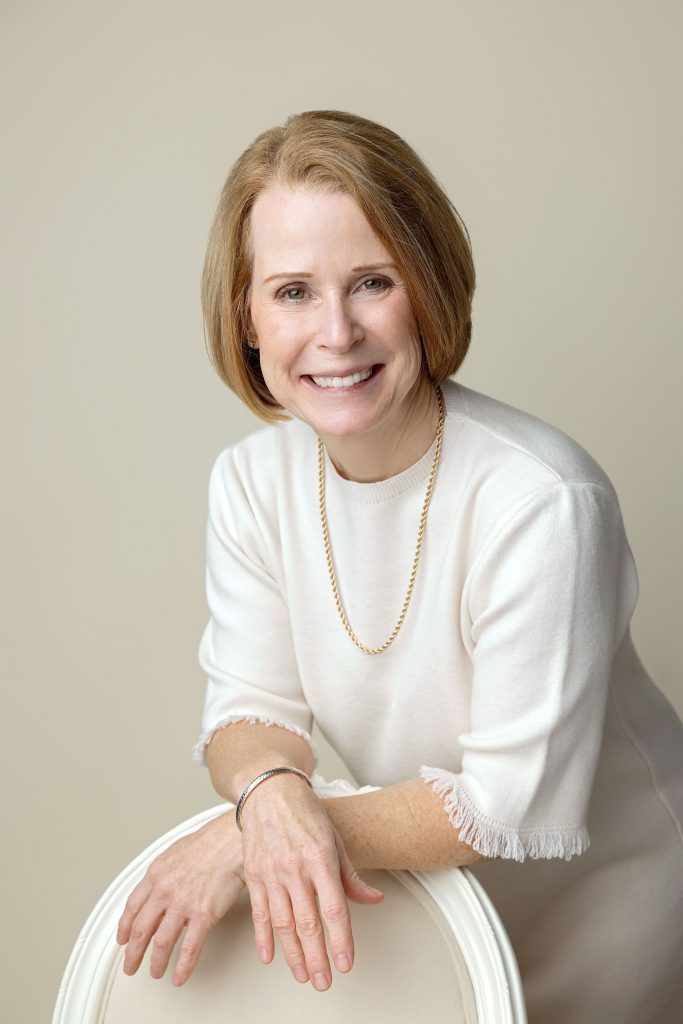
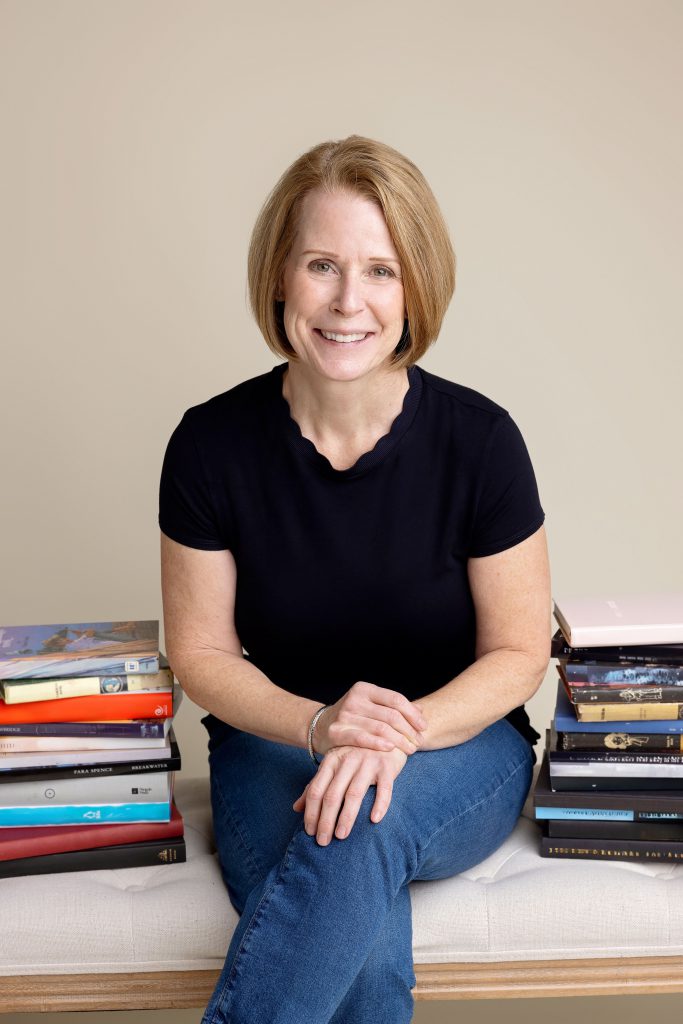
Author of the Month: Corinne Brown

A Journey Through Huntington’s Disease with Hope, Resilience, and Love

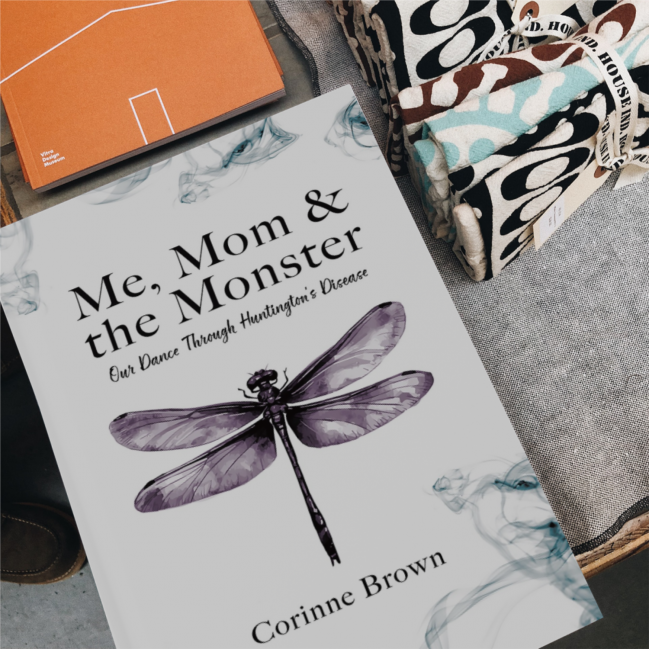
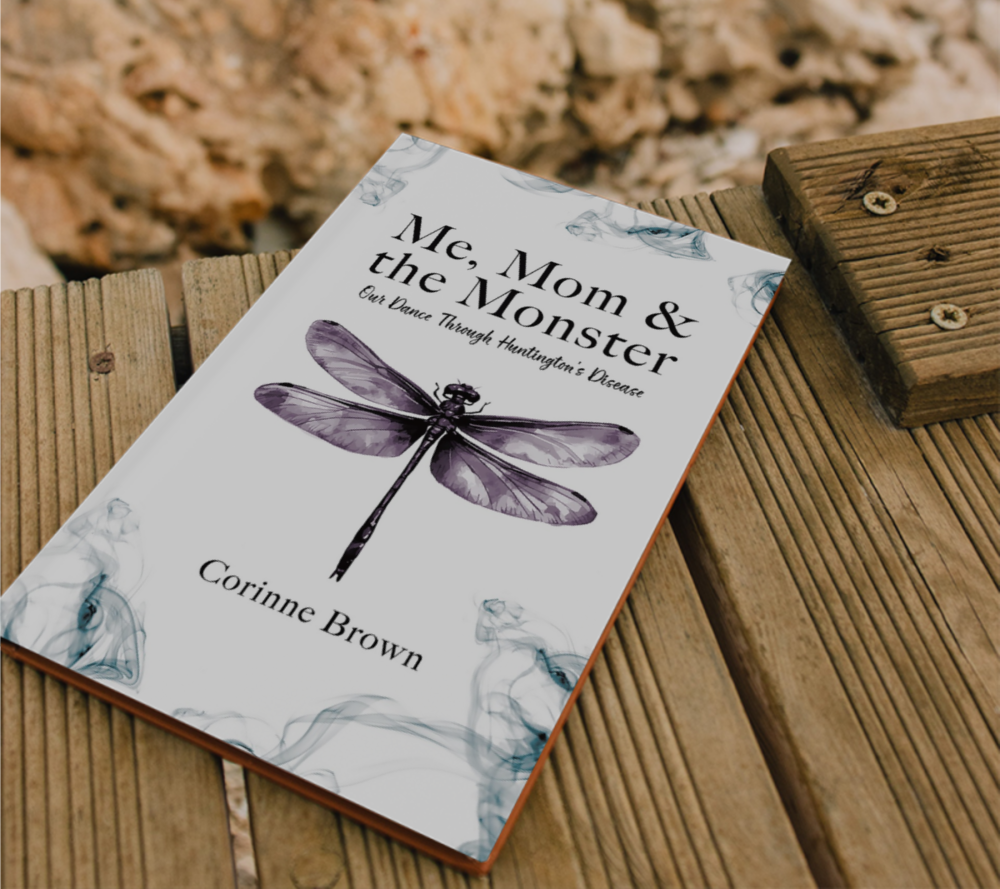
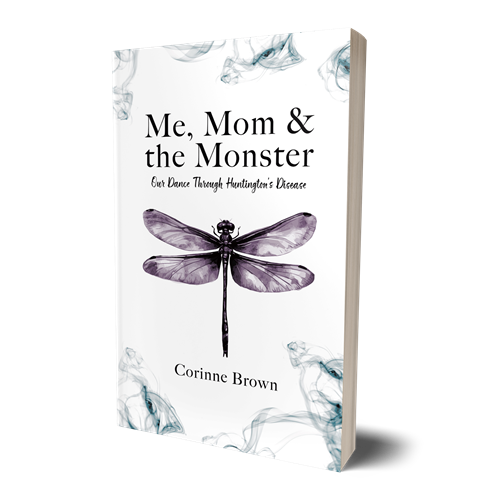
This month, we’re featuring author Corinne Brown, whose memoir Me, Mom & the Monster shares an honest and deeply personal look at caregiving, family, and living alongside Huntington’s disease. The book has earned five-star reviews from both IndieReader and Reader Views, a notable achievement that reflects its emotional impact and authenticity. In this Q&A, Corinne reflects on what inspired her to tell her family’s story, the challenges of writing such a personal book, and the hope that carried her through it all.

The story found me when the time was right.

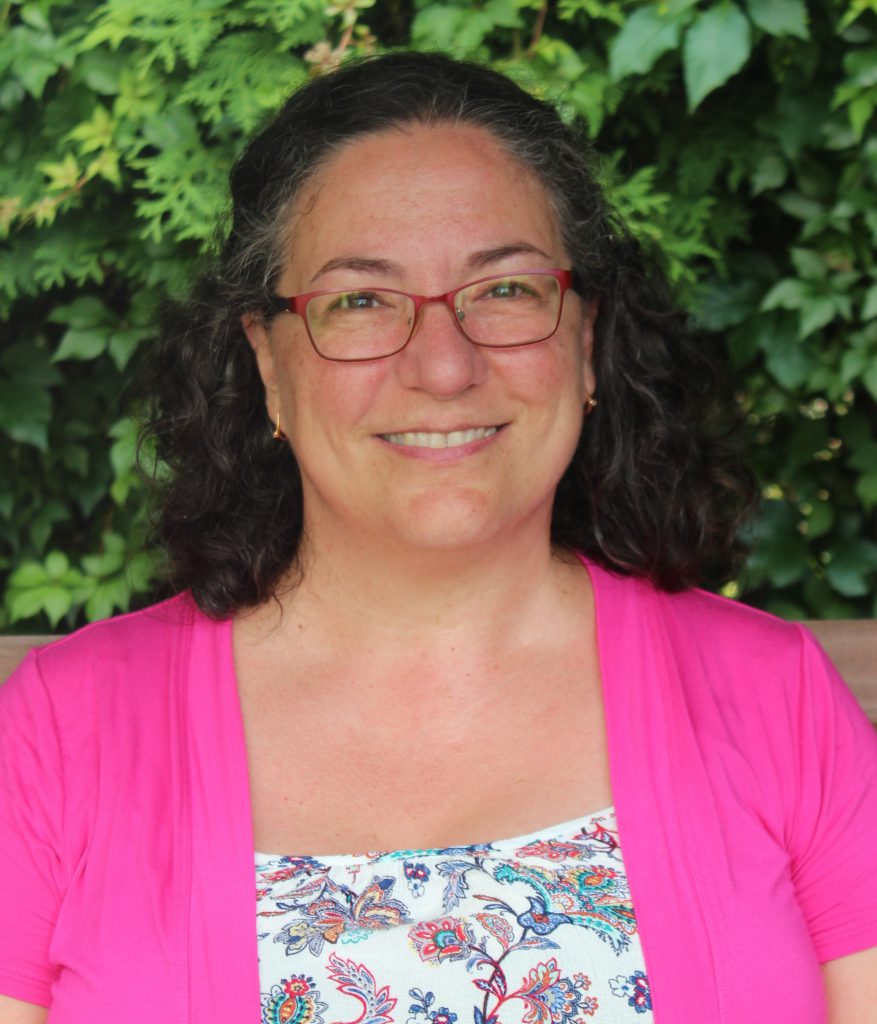
Corinne Brown

What inspired you to write Me, Mom & the Monster, and why did you feel now was the right time to tell your family’s story?

Naturally, the inspiration came from my mother, Mae. She lived with Huntington’s disease for almost 25 years, but she didn’t live it alone. Huntington’s disease is a family affair, particularly since it is genetic and the offspring of a gene-positive parent has a 50 percent chance of inheriting the disease. When I was 10 years old I told my Grade 4 teacher that I was going to write books when I grew up, but never in a million years would I have predicted it would be about Huntington’s disease, and especially not about something so deeply personal. I could not have written this story while I was in the throes of Huntington’s disease; I simply didn’t have the emotional or mental capacity to process what I was feeling. I was apprehensive about immersing myself back into the pain of my experience with the disease, but it quickly became apparent that what was inside me needed an outlet. I like to say the story found me when the time was right.

Your memoir is remarkably honest about feelings of anger, helplessness, and grief. Was it difficult to be so vulnerable on the page, and what do you hope readers take away from that honesty?

Without a doubt, this was the most difficult thing I have ever done. I am a private, introverted type of person, so sharing something so profoundly personal was a huge step outside my comfort zone. The first few days after the book was published, I was extremely emotional. Along with the relief that this three-and-a-half-year writing project was completed, I also felt completely exposed and more vulnerable than at any other time in my life. I wrote the book, worked through the edits, and signed off on the final copy, but I didn’t anticipate that people would read it! Once I started receiving some feedback, I felt I could exhale a little. Now that our story is out there, I wouldn’t have changed a thing. 

I hope by sharing my vulnerabilities, and my innermost thoughts and feelings, that others may feel less alone in their experience with any life-altering disease.

Caregiving can take a tremendous emotional toll. Looking back, what advice would you offer to others who are caring for a loved one with Huntington’s disease or another progressive illness?

I am not comfortable nor qualified to give advice. What I did do in this book was to showcase the tremendous toll that caregiving can have on families and what my experience was. I was happy to do my part in our family for our mom, and as much as I struggled with her move into a long-term care facility, what that did allow for me was the chance to be her daughter again. For me, if I have to say something that may have made it better, it would be to be more open about how I felt and to seek counselling earlier than I did. Keeping all that anger and feelings of helplessness and guilt inside me was not the right move, but it was what I did. I recognize that now, but didn’t at the time. Writing this book has offered me a soothing balm for my wounded soul, too. Writing was something I always loved and was what I studied in post-secondary school, so returning to that was like coming home for me.

One of the book’s central themes is hope, even in the face of unimaginable hardship. Where did you find hope during your mother’s 25-year journey, and how has it shaped your life today?

Without hope, what is there? In the face of Huntington’s disease and other life-altering diseases, hope gives us something positive to hold on to. For me, my heavy emotional baggage included rage, guilt, helplessness, and despair, to name a few, but I always made room for hope. I needed to grasp something to help keep me afloat. I was always a glass-half-full kind of person, and I lost that a bit throughout my experience with Huntington’s, but it never completely disappeared. When I looked at my mother and thought of other Huntington’s patients and families around the world, how could I possibly not have hope? A treatment didn’t arrive in time for my mom, but I feel we’re closer than ever to having that momentous breakthrough. Some of the best and brightest minds in the world continue to work tirelessly towards a treatment, refusing to give up. If they’re not giving up, then how could I possibly give up hope?

My life has undoubtedly been shaped by my experience with Huntington’s disease. How could it not? I lived it with my mom for almost a quarter of a century, most of my adult life. It was just how it was, part of our family mosaic. Once my mom died, even though I was still at risk of inheriting the disease, I naively thought our time with Huntington’s was over. However, like Huntington’s does, it had other plans, and this story of Me, Mom & the Monster needed to be told. This is part of my life purpose: educating and bringing awareness to this rare disease through my writing. Hope? Yes, that will never leave me.

If readers could take away one message from Me, Mom & the Monster, whether they have been touched by Huntington’s disease or not, what would you hope stays with them long after they finish the book?

That life really is a beautiful gift, and the simplest of things brings the greatest pleasures. 

What did you learn about the publishing process while working with Tellwell? Do you have a tip for first-time authors?

I knew a bit about the publishing industry through my journalism career and my involvement with writing groups. I knew enough that publishing wasn’t something I wanted to tackle on my own. My strength lies in writing, not in the details of publishing. I had diligently worked on the manuscript for more than three years, and I was proud of the work I had done on my own and with professional editors. It was important to me to have a polished product, something I would continue to be proud of in the years to come.

Advice for first-time authors? Never give up, stay true to what it is you want to write, never lose sight of your vision. Someone said to me, “You have a gift and you’re responsible for sharing it with the world.” So, for every writer out there, remember that. Your story, your voice. There’s a place for that in literature.

You can get a copy of Corinne’s critically acclaimed book on Amazon.

Visit CorinneBrown.ca for more updates.

Read More
Author of the Month Uncategorized

Author of the Month: Neroli Hajinakitas

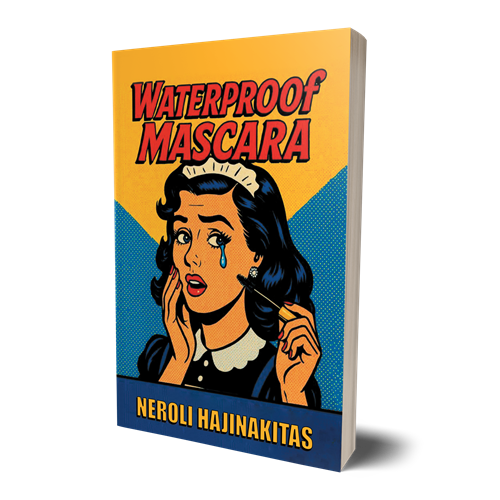
Motherhood & Moving Forward: Inside Waterproof Mascara

Comedy doesn’t minimize trauma; it makes trauma survivable by giving you a different lens to view it through.

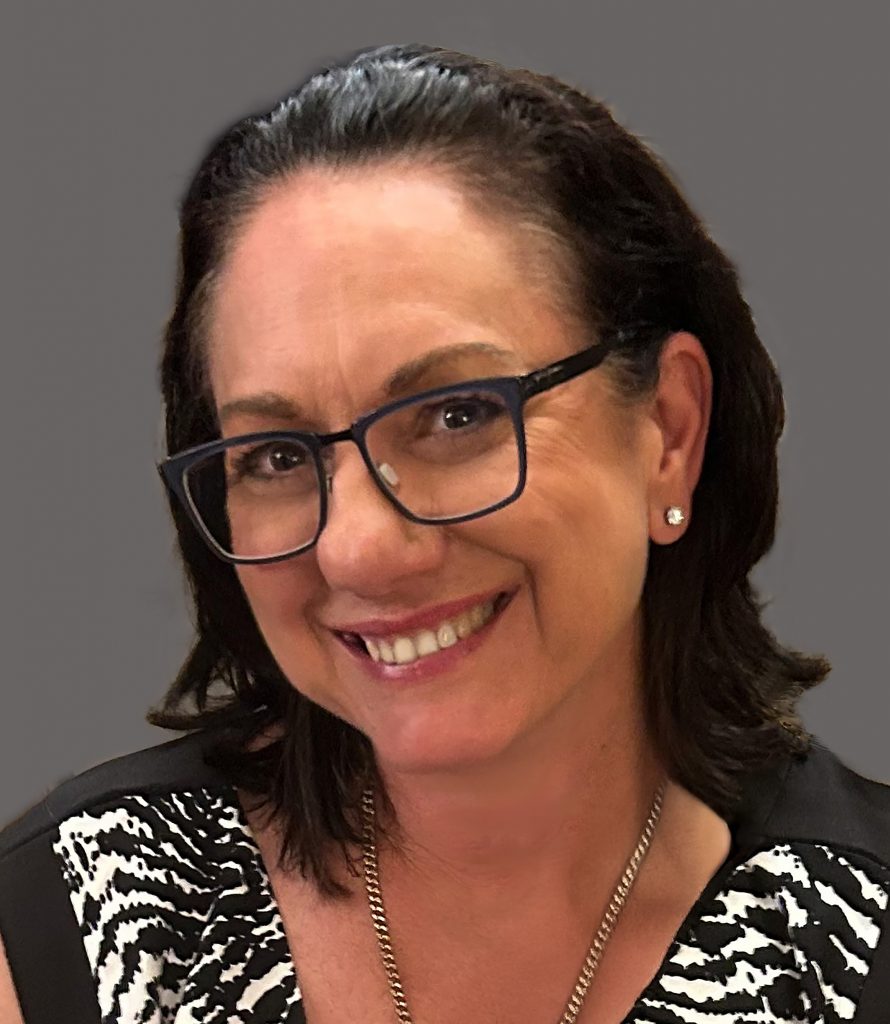
Neroli Hajinakitas

In this interview, Neroli opens up about writing through adversity and transforming personal struggles into comedy that resonates with readers. From the unforgettable “share house” to the truth behind the “Instagram version” of parenting, Waterproof Mascara reminds us that sometimes laughter is the best medicine.

With Mother’s Day around the corner, Waterproof Mascara feels like an honest and funny celebration of motherhood in all its chaos and unpredictability. What inspired you to write so openly about the realities of raising children, rebuilding your life, and finding humour in the messiest moments?

It started during a high-conflict divorce. My psychologist suggested journalling. I laughed—but I did what was asked. After the divorce was finalized following two and a half years of living hell, I kept journalling, but shifted focus to the comical things happening around me. Rebuilding meant redefining everything—from “wife” to “share-house maid,” from married to mortgage-holder, from couple to solo parent. In my fifties, living in what felt like a share house with teenagers and young adults, I’d lost my authority as a parent and become their maid. Far better than the slave I’d been whilst married, but that’s another story entirely.

Neroli Hajinakitas’ Waterproof Mascara is a refreshingly honest look at motherhood, reinvention, and finding humour in life’s most chaotic moments. What began as a journal eventually evolved into a candid and deeply relatable book filled with wit, resilience, and the beautifully messy realities of family life. Get the book on Amazon.

The “share house” characters feel vivid and memorable. How much of their personalities came directly from real life, and how much was heightened for comedic effect?

The share house characters’ personalities are exact, with a little colour here and there for comedic effect. I’m known for telling a good story, but all stories need embellishment. The working title was Hyperboles of a Maid, which says it all really. The Knight, Thumbelina, the Little Prince, Wilma Washer, Doris Dishwasher—they’re all absolutely real. I’ve just given them the narrative treatment they deserve.

Your journey from struggling with dyslexia to becoming a published author is remarkable. How did past challenges shape your approach to writing a book?

By teaching me that there’s always another way to learn. I couldn’t read until I was twenty—labelled “stupid” throughout school—but completing my degree in adult education showed me alternative pathways exist. Learning about how adults overcome learning difficulties whilst simultaneously overcoming my own gave me unique insight into making complex ideas accessible. The degree taught me academic writing initially, but dyslexia taught me creative problem-solving—finding different routes to the same destination.

Do you find writing comedy helps you process difficult experiences differently than more serious reflection would?

Absolutely. Writing comedy processes difficult experiences differently than serious reflection because humour creates analytical distance whilst maintaining emotional honesty. Serious reflection can spiral into dwelling; comedy forces you to find the absurd angle, which is actually more truthful about how we survive impossible things. Finding the positive in what feels overwhelming aids traumatic recovery—my psychologist is now using my book as recommended reading for women struggling with similar situations. Comedy doesn’t minimise trauma; it makes trauma survivable by giving you a different lens to view it through.

Readers will likely see a bit of themselves in the beautifully messy moments throughout the book. What do you hope parents and families take away from reading Waterproof Mascara?

I hope parents and families take away the ability to sit back, laugh, and know that we all have the same struggles. The Instagram version of parenting is a lie. The reality is dishes that don’t self-clean, teenagers who believe Wi-Fi is a human right, and washing machines that hold grudges. If my mess helps someone else feel less alone in their mess, that’s the whole point. Good enough is genuinely good enough.

What was the biggest thing you learned during the publishing process that surprised you?

That writing the manuscript is the easy bit. What happens behind the scenes to publish a book is a whole new world—interacting with editors, cover designers, interior designers, organizing book launches, navigating marketing, understanding the world of online publishing . . . who would have known so much was involved? I loved every minute, even the stressful parts. Turns out getting a book from brain to bookshelf requires an entire village of professionals who understand things like ISBN numbers and metadata that I still don’t fully comprehend.

Get the book and read more on
WaterProofMascara.com.au

Read More
Author of the Month

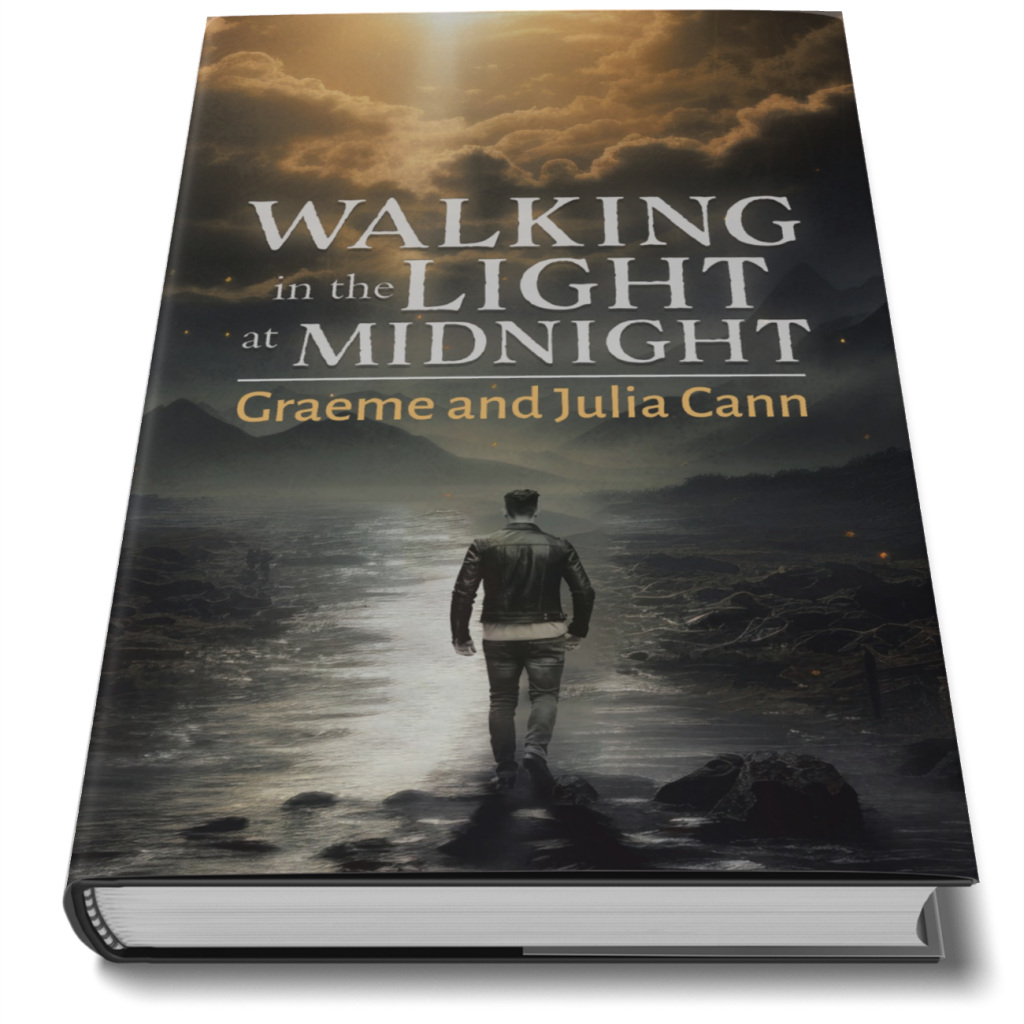
Author of the Month April: Graeme Cann

After more than sixty years in ministry and counselling, the author reflects on suffering, faith, and the healing power of forgiveness.

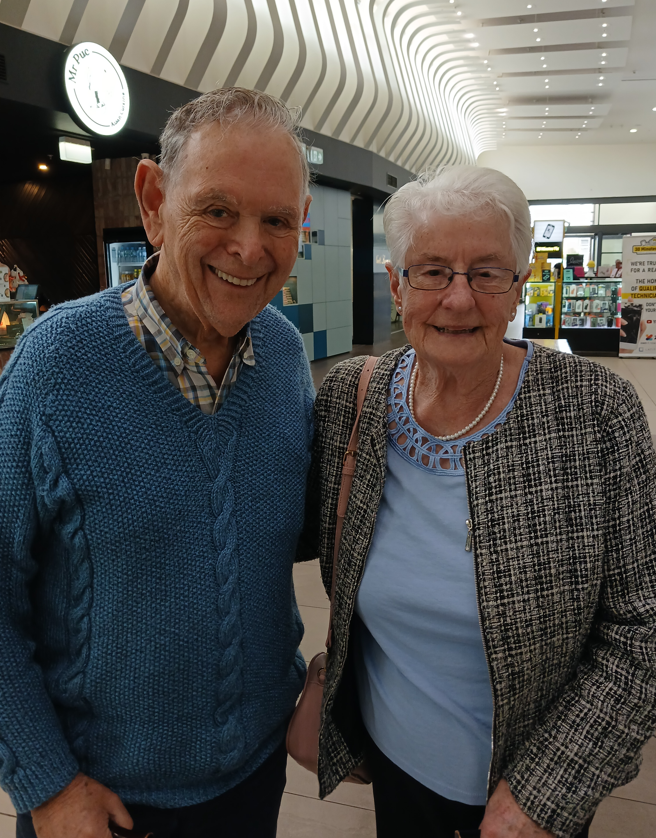
Graeme and Julia Cann

After more than six decades in ministry, pastoral care, and counselling, Graeme Cann has spent much of his life listening to the struggles and questions people carry through challenges and tragedies. Alongside his wife Julia, he has walked with individuals and families facing trauma, loss, and uncertainty, both in church communities and through counselling and missionary work. These experiences eventually found their way into his writing.

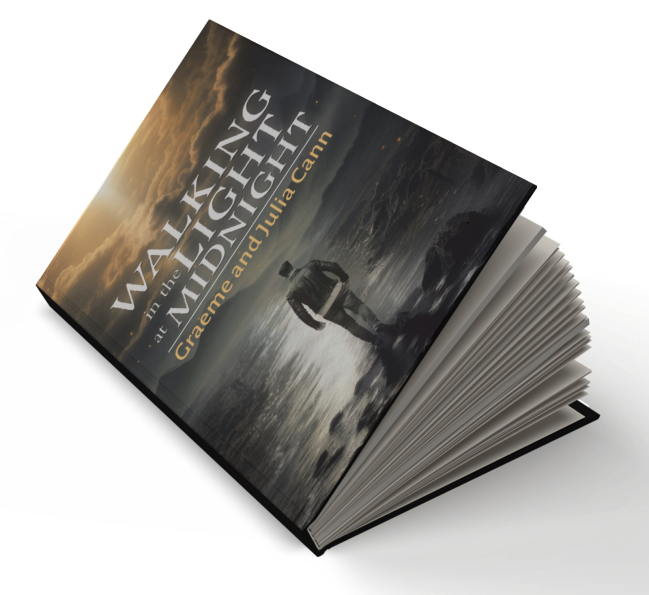
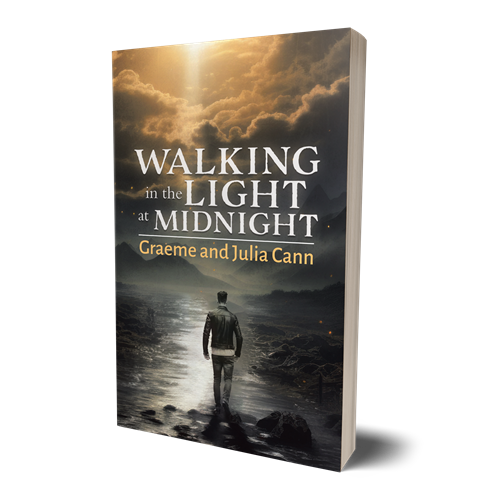
In Walking in the Light at Midnight, Graeme and Julia reflect on the reality of suffering and the choices people face. Drawing on their own experiences and the stories of people they have known, the book explores questions of faith, forgiveness, and how people move forward when life does not unfold the way they hoped.

“Whilst we have had no control of what has befallen us, we do have a choice about how we respond.”

Graeme Cann

You have spent more than six decades in ministry, counselling, and pastoral work. Can you tell us a little about your journey and how it eventually led you to become an author? 

I became a pastor 66 years ago and soon discovered that my passion was pastoral care. After two years Julia and I married and we began a ten-year ministry with the Leprosy Mission. During that time I travelled all over Australia and preached in hundreds of  churches of all denominations. I found that pastors also needed someone to unload to and, despite my youthfulness, they shared deeply with me. Julia likewise, back in our local church, developed a caring ministry until, at the age of 29, she was stuck down with three strokes over a period of three months. With four young children this necessitated that I be at home much more, so our time in the Leprosy Mission came to an end. We became youth pastors in our local church and, although we loved our church family, we were disturbed when we looked at our city to see how small an impact the churches as a whole were making on the wider community. 

Eventually, with several other couples we founded and launched the Elkanah Christian Community in a beautiful mountain area about 100 kms from our home church. Julia and I lived there with our family for 16 years and, amongst many ministries, commenced a residential counselling ministry, where broken people came for help. We also, with some other counsellors, helped in the foundation of the Christian Counsellors Association of Victoria, which became the Australian Christian Counsellors Association. In1990 we returned to pastoring churches and did so till we were 78. Since then we have been writing and mentoring and sometimes speaking in churches.

Your latest book, Walking in the Light at Midnight, explores suffering, faith, and hope during life’s darkest moments. What inspired you and your wife Julia to write this book together? 

We had experienced dark times ourselves and travelled with many others in their valleys of suffering, and we believed that we might have something helpful to share. Almost all the stories we tell in this book came from people in our church. The book is really a collaboration of friends. 

This is your fifth book published with Tellwell. What has your experience been like working with the Tellwell team, and how has that partnership supported your publishing journey? 

Working with Tellwell on five books was a great experience. Their patience with a novice writer was wonderful and the skill and experience they brought to the task was second to none. The fact that, in a country so far away from the publishers, they were contactable at any time here in Australia was fabulous

The book addresses difficult questions many people wrestle with, such as why suffering exists and where God is during times of hardship. What conversations or experiences in your ministry shaped the message of this book the most? 

Many of the people we counselled and cared for both at Elkanah and in the churches we pastored were victims of childhood sexual abuse and other types of trauma, and legitimately asked the question, “Why did God let this happen to me?” Being able to tell our own stories and the stories of our friends was a way of modelling a way through this valid question. 

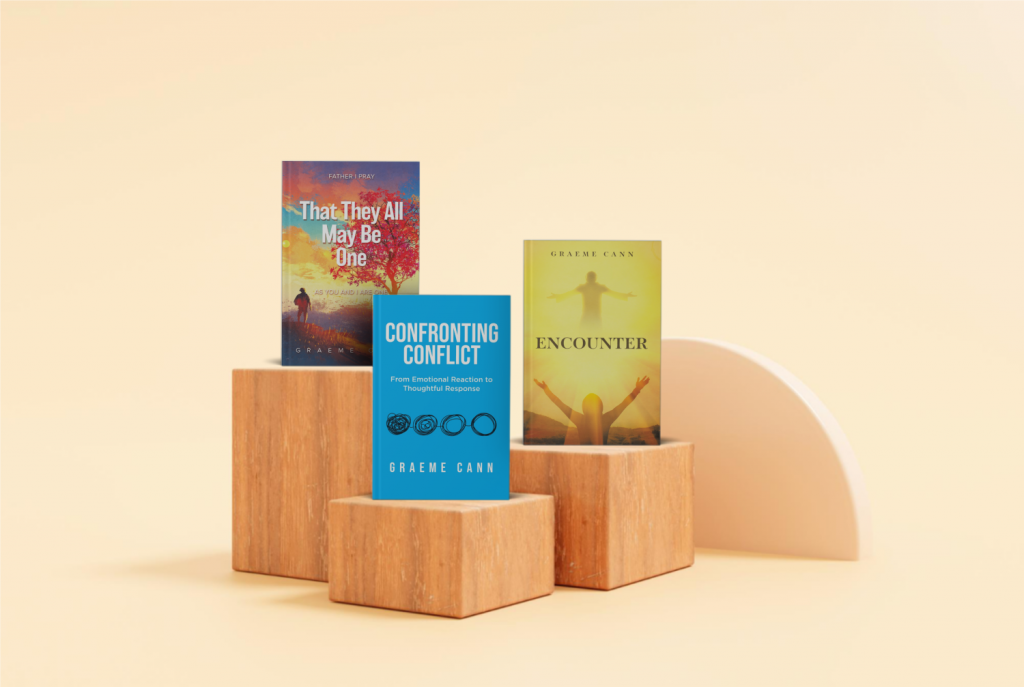
You have published several books with Tellwell, including Encounter, Confronting Conflict, That They All May Be One, and Now That Is The Church. How has your writing evolved across these books, and what themes continue to guide your work? 

Encounter was a devotional book providing a reading and reflection for each day of the year. That They May All be One was a devotional commentary on the Gospel of John. Now That Is the Church reflects my concern that the church across the world was in danger of becoming an organisation rather than the organism it was created to be. Instead of the “Body of Christ” with us as body parts, it is in danger of just becoming another institution or simply just a religion. Before discovering Tellwell, I self-published two other books. When the Tiger Roars is a novel that explores the relationship between fear and anger. The Guilt Busters another novel, focussing on the pathway to healing for abuse survivors. 

In Walking in the Light at Midnight, you emphasize that suffering is something everyone eventually encounters. What do you most hope readers take away from the book when they find themselves in their own “midnight”? 

We have attempted to share that, whilst we have had no control of what has befallen us, we do have a choice about how we respond. Whilst initial anger or resentment is natural, there comes a time when we have to understand that anger, resentment, and blame will ultimately destroy us. 

God has given the world the greatest gift of all: forgiveness. He modelled it to us Himself and He commanded others to “forgive others as He has forgiven us.” Forgiveness is the key to emotional freedom and enables us to choose healthy pathways into the future.

To find out more and get the books, visit Graeme’s website.

Read More
Author of the Month

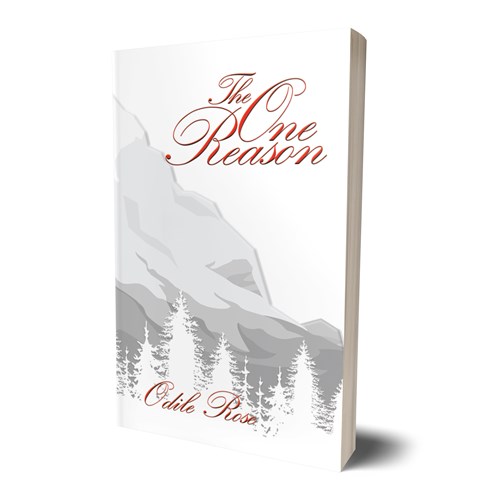
Author of the Month: Odile Rose Writes from the Heart

How one writer turned a lifelong love of words into her debut novel.

Born in Paris and raised across Canada, Odile Rose brings a rich cultural background and deep emotional insight to her writing. After spending nearly two decades in the financial industry, she took a leap of faith to pursue her lifelong passion for storytelling. Her debut novel, The One Reason, is a moving romance that explores fate, resilience, and the power of love in the face of loss.

In this interview, Odile shares how she approaches emotionally charged scenes, how her life experiences shape her voice, and what inspired her to begin her writing journey. She also discusses her creative process, her poetry on social media, and her experience publishing with Tellwell Publishing.

At forty, I told myself, “If not now, then when?” I knew I had to write the story that was still brewing inside of me.

Odile Rose
Read More
Author of the Month

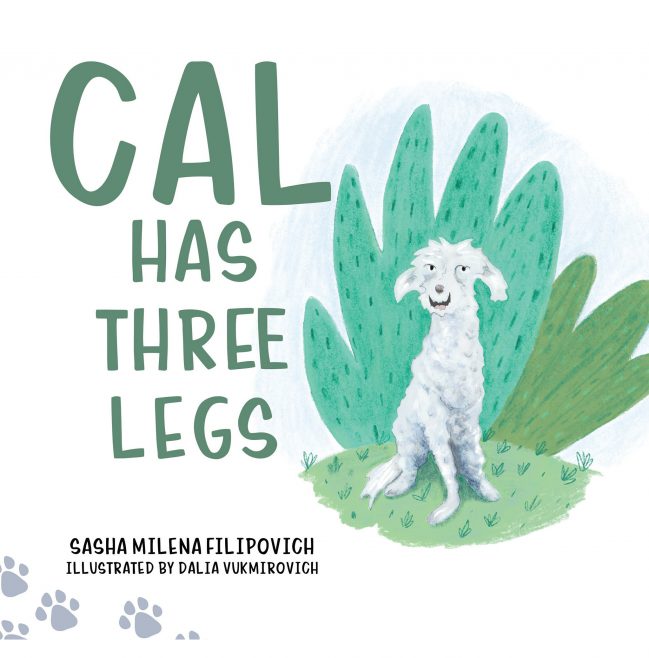
Author of the Month: Sasha Milena Filipovich

Moonbeam Award Winner Shares the Personal Journey Behind a Beloved Three-Legged Hero

In this interview, Sasha Filipovich, author of Cal Has Three Legs, shares how her real-life rescue dog became the inspiration behind her first picture book. What began as simple, curious questions from children grew into a story about humor, self-acceptance, and approaching differences with openness.

“Tell the story you want to tell, and hold onto your vision.”

Sasha Milena Filipovich

Sasha talks about how her background in journalism, dance, and film influenced her storytelling, and how working closely with illustrator Dalia Vukmirovich helped shape the book’s visual and emotional tone. She also reflects on the patience and persistence required to bring a picture book to life.

She discusses what it meant to receive a Bronze Moonbeam Award and her experience publishing with Tellwell, and offers practical advice for authors creating their first children’s book.

Read More
Author of the Month

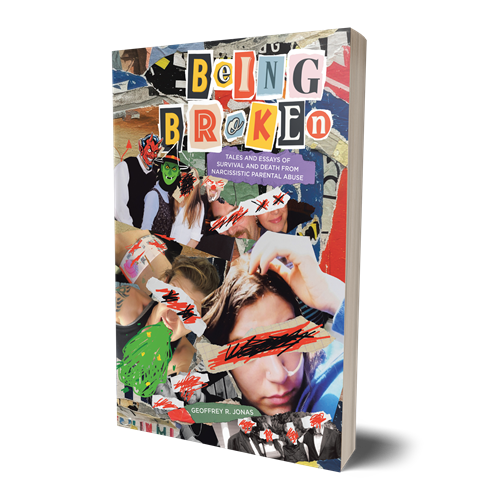
Author of the Month: Geoffrey R. Jonas

The Award-Winning Memoirist of Being Broken, Honored by the New York Book Festival, New York Big Book Awards, BookFest, and the Nonfiction Writers Association for His Unflinching Exploration of Trauma, Addiction, and Recovery

…people suffering from NPD are victims as well. It’s not their fault that they turned out this way, but they are responsible for their actions. Once we can see them with this understanding, we can be more compassionate towards them, while still setting boundaries about what we will and will not tolerate.

Geoffrey R. Jonas

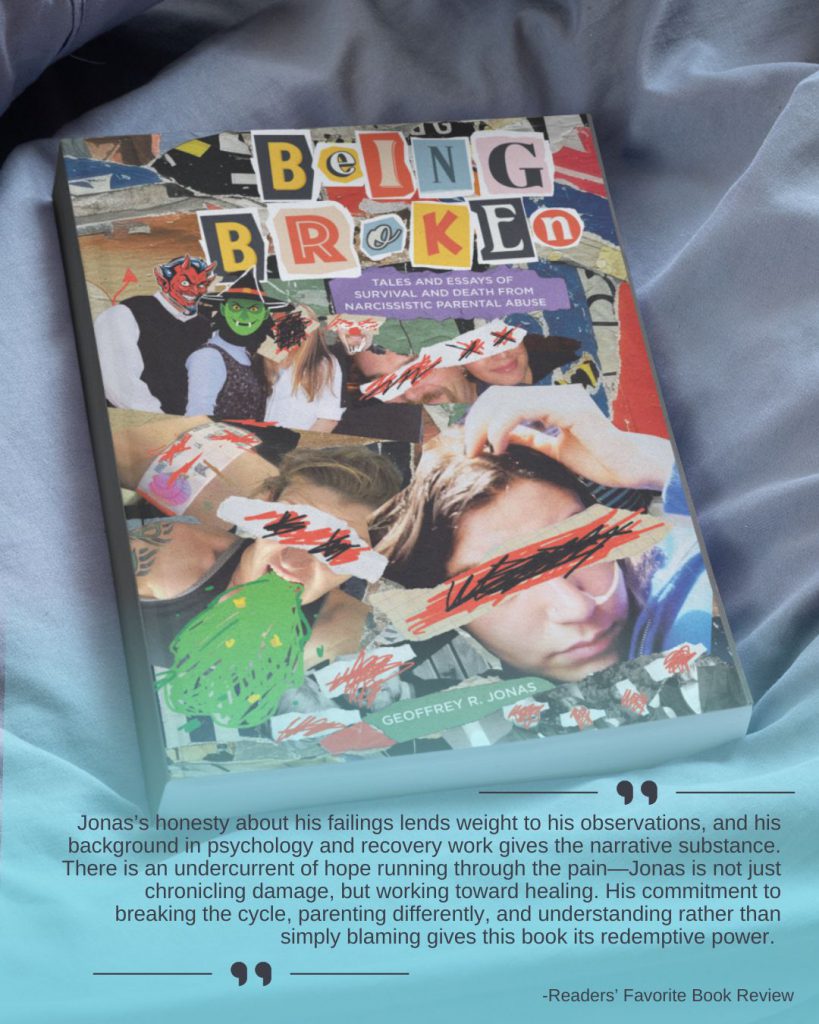
Geoffrey R. Jonas is our Tellwell Author of the Month, a new voice in nonfiction whose debut memoir has already made waves with readers and critics. His book, Being Broken, has earned numerous five-star reviews for its raw honesty, emotional depth, and compassionate exploration of trauma, addiction, and recovery. Since publication, Geoffrey has received an Honourable Mention at the New York Book Festival, was named a Distinguished Favourite at the New York Big Book Awards, placed third at the Nonfiction Writers Association Awards, and captured three second-place wins at BookFest across Health & Wellness, Psychology, and Mental Health categories. In this interview, Jonas reflects on the deeply personal journey behind Being Broken, the process of uncovering generational trauma, and the hard-won wisdom that has resonated so strongly with readers.

What inspired you to finally sit down and write Being Broken? Was there a specific moment when you realized this story needed to be told?

Simply put, the death of my sister. After her death, I had to understand how such a thing could happen. I had already been studying Substance Use Disorder (SUD) and trauma for many years; however, this was the first time I started looking directly into my family. The writing began as essays, discussing the abuse and trauma and how it relates to SUD. Once I started connecting the dots between trauma and SUD, I wanted to incorporate real-life examples of our experiences to better communicate that relation.

The book blends memoir with psychological insight. How did your background in recovery work and psychology shape the way you approached these deeply personal events?

I will start by clarifying that I am not a clinical psychologist. I hold no degrees, and I only took 2 years of psychology at university. While I am a certified facilitator for the SMART Recovery® program, I do not hold any further certifications in the recovery industry. I am a person of science and evidence though, so I dove headfirst into the studies, articles, and books related to these topics. I spent the equivalent, in years, of someone pursuing graduate studies, or even further, on both SUD and NPD. We also, however, need to understand the difference between knowledge and experience. You can study Narcissistic Personality Disorder (NPD) for years, know the trauma it can cause on victims, and be able to diagnose it in those suffering from it; however, unless you actually experience what it is like to be subjected to this kind of abuse, it is only that—knowledge. You can know fire is hot, but you do not truly understand it until you’ve been burned by it. It is the same with trauma and abuse. You can know all about it, read about it, study it, diagnose it; but, if you’ve lived through it, you now have the experience. My therapist called it ‘trauma wisdom’. To both know it and having experienced it give you this wisdom that many can’t comprehend. This allowed me to write about it from both the inside and the outside.

Readers describe the book as raw, unflinching, and honest. How did you balance telling painful truths with maintaining compassion for your family members?

The chapter “Fault vs. Responsibility and Blame” in my book covers this. It is very important to understand that many people suffering from NPD, or many other disorders, are victims themselves. The disorder is a behavioural adaptation based on their own traumas and abuse they experienced, typically as children. Excavating my parents’ history allowed me to see them as the abused children they were, and to forgive them for what is not their fault. However, I still hold them fully responsible for their behaviour towards us. Treating someone abusively is always a choice. Too often, people do not take responsibility for their hurtful actions towards others, blaming their disorders for their behaviour. There are so many people out there who have suffered trauma and abuse who do not continue the cycle of abuse, who choose to be better. And if they cannot take responsibility, apologize, and alter their behaviour so they do not repeat that harmful behaviour, there is no need to forgive to move forward. This is what is happening with my mother. I am no contact with her; she refuses to take responsibility for her part in the abuse of me and my sister. I’ve moved on without the need for forgiveness, but I still feel compassion for what she went through as a child.

Narcissistic Personality Disorder plays a major role in your book. What misconceptions about NPD do you hope this book helps clarify?

I’ve been following a lot of NPD survivor groups, so I am aware of many misconceptions out there about people with this disorder. The big one that I see often is that people with NPD are just evil, don’t feel emotions, and are unredeemable. While there are some sociopathic types of NPD, such as Machiavellian and severe malignant NPD, where the abuse can be terrible, there are also milder forms of NPD that can be subtle and non-violent. This doesn’t negate the damage emotional and psychological abuse can impart on victims of milder forms of NPD, however. As mentioned in my previous response, most, if not all, people suffering from NPD are victims as well. It’s not their fault that they turned out this way, but they are responsible for their actions. Once we can see them with this understanding, we can be more compassionate towards them, while still setting boundaries about what we will and will not tolerate. They are people who do feel emotions, they just do not have the tools to manage those emotions and the subsequent negative behaviour because they didn’t have the proper support to develop positive responses to those emotions as children.

You uncovered many family secrets through letters, notes, and digital correspondence. Was there anything you discovered in that process that fundamentally changed your understanding of your past?

Like stepping into the sun after a life in the dark. When you live your whole life with familial abuse, without any kind of comparison to how normal families behave, you do not understand that it is abuse; this kind of family life is perceived as how families behave. Seeing the videos, reading the texts and letters, and learning my parents’ family history gave me an understanding of who they were as abused little children and how easy it is to repeat generational cycles of abuse. It was like a spotlight turned on, and everything was exposed to the light. Memories, suppressed or denied, opened like doors in an endless hallway. Everything about my childhood was relived through newly tinted glasses, where I could see that how we were treated as children was not our fault, nor was it normal. This allowed me to forgive myself for my part in the destruction of my family and improve myself as a person, especially as a father.

What were your biggest takeaways about the publishing process when working with Tellwell? Were there any unexpected lessons learned making your first book?

That you really need to do your research to find the right company to assist you with publishing your book, especially if you’re self-publishing. There are so many scams and misleading platforms out there trying to get your money for subpar production of your book. Tellwell was easy and straightforward with the process, not to mention quick, at a very reasonable cost. However, I think the biggest lesson was about the marketing aspect of the book. Submitting for reviews and awards, promotional materials and social media, and organizing interviews such as this one, can all take a lot of time and can add up in cost very quickly. If you do not consider, and budget for, the marketing aspect of publishing, you’re not going to sell many copies.

For more information visit Geoffrey’s Website.

Get the book on Amazon.

Read More
Author of the Month

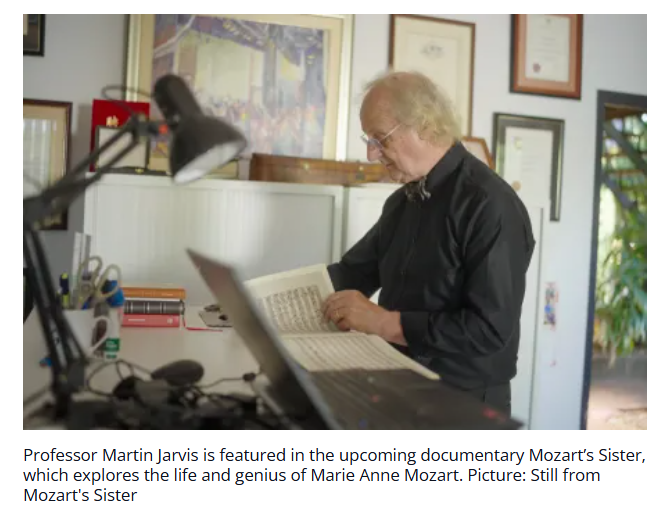
Author of the Month: Dr. Martin Jarvis

Exploring the mystery of Mozart’s music, the genius of Marie Anne, and the research behind a groundbreaking new documentary.

Tellwell Publishing is pleased to highlight Dr. Martin W. B. Jarvis, a scholar who has spent much of his career challenging long-held assumptions about the great composers. His newest novel builds on years of forensic handwriting research and offers a fresh look at Mozart’s life, his music, and the mystery surrounding his final days. The book was also selected for the Publishers Newswire Books to Bookmark list for its unique approach and lively investigation into music history.

Dr. Jarvis’s research is now reaching an even wider audience through the upcoming Sky Originals documentary Mozart’s Sister. The film explores the life and talent of Marie Anne Mozart, who performed with her brother as a child and, as Jarvis argues, may have been the creative voice behind several works traditionally credited to Wolfgang. His involvement in the documentary grew out of work that began when he was only fourteen and studying Mozart’s Violin Concerto No. 2. Even then he sensed something unusual in the score, a curiosity that led him to decades of study and the discovery of distinct handwriting traits on key manuscripts.

In the documentary, Jarvis explains how signatures like “W. A. Mozart” differ from those written as “Amadeo Wolfgango Mozart,” and how this evidence points to Marie Anne composing under a different name. The film also highlights the broader history of women in composition, a subject Jarvis has explored before in his research on Anna Magdalena Bach. That earlier work became the book Written by Mrs Bach and later a BBC documentary, which brought even more attention to the hidden role of female composers.

Read More
Author of the Month Author Success - In the media, awards, reviews

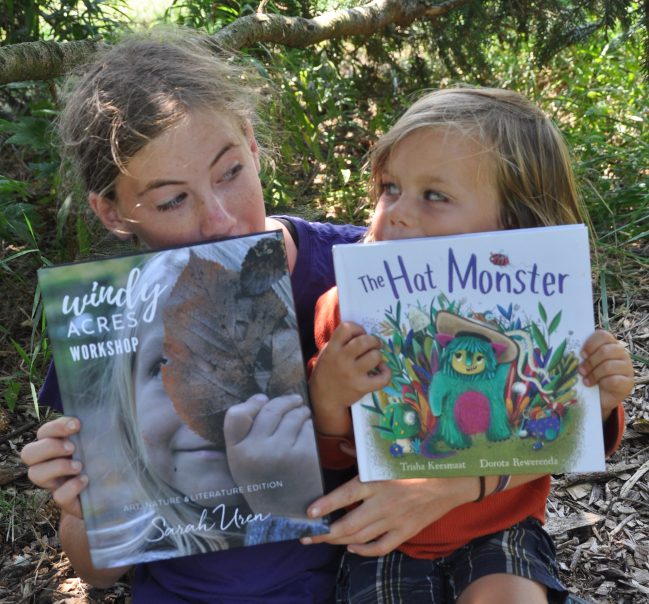
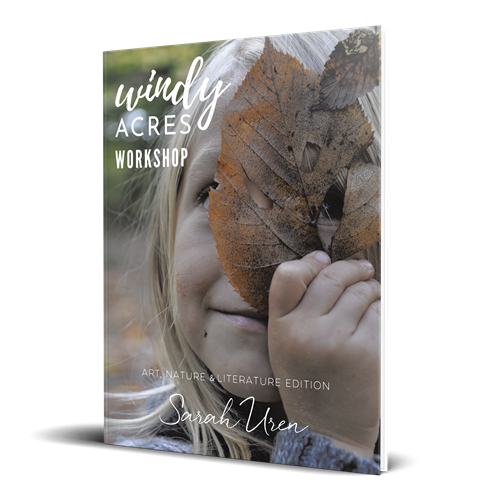
Author of the Month: Sarah Uren

Inside the mind of the educator behind 50 nature-inspired, kid-tested art projects and an award-winning book!

Sarah Uren has made an extraordinary entrance into the world of children’s literature and education. Her first book, Windy Acres Workshop, has already earned a Bronze Award in the Activity Book (Arts & Crafts) category, one of the most competitive and respected sectors in children’s publishing. It’s a remarkable achievement for any creator, let alone a first-time author.

Read More
Author of the Month

Tellwell Author of the Month: Crystal Beach

From pumpkin patches to polar bears, Crystal Beach shares how her books help children learn, imagine, and belong.

Author and illustrator Crystal Beach has built a body of work that celebrates curiosity, inclusion, and early learning. Her newest book, One Little Witch, moves from the Arctic setting of her earlier titles into a magical pumpkin patch inspired by her own backyard. In this interview, Crystal talks about what drives her storytelling, how her background shapes her creative process, and what she’s learned along the way.

“My passion for early learning comes from wanting to make stories that are both fun and meaningful for young readers.”

Crystal Beach Author/Illustrator
Read More
1 2 3 11