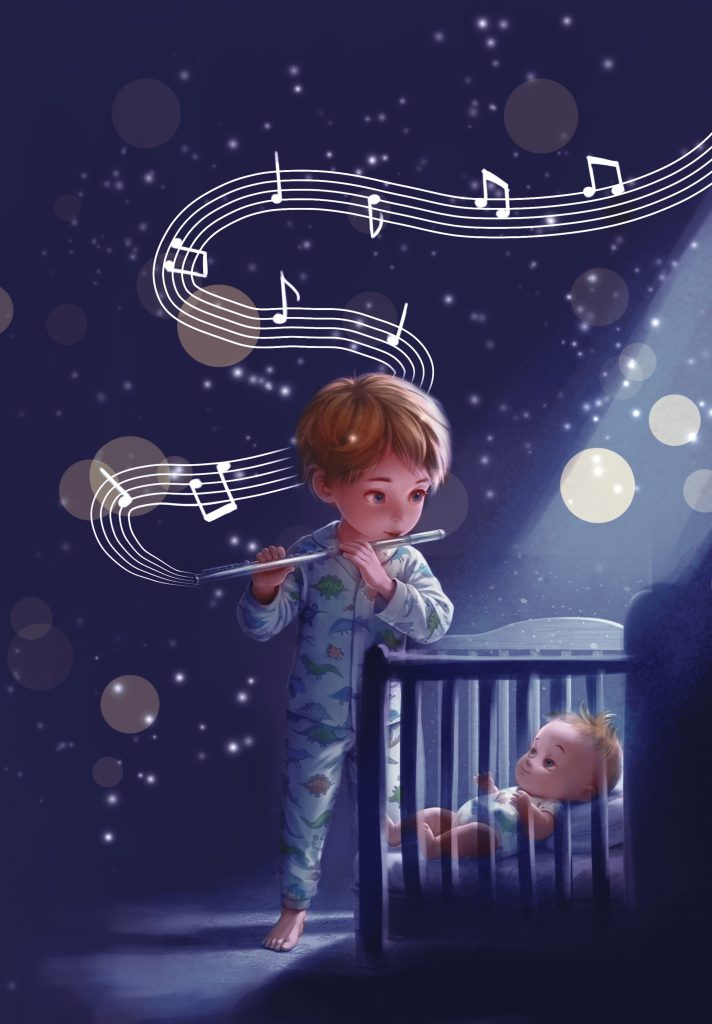
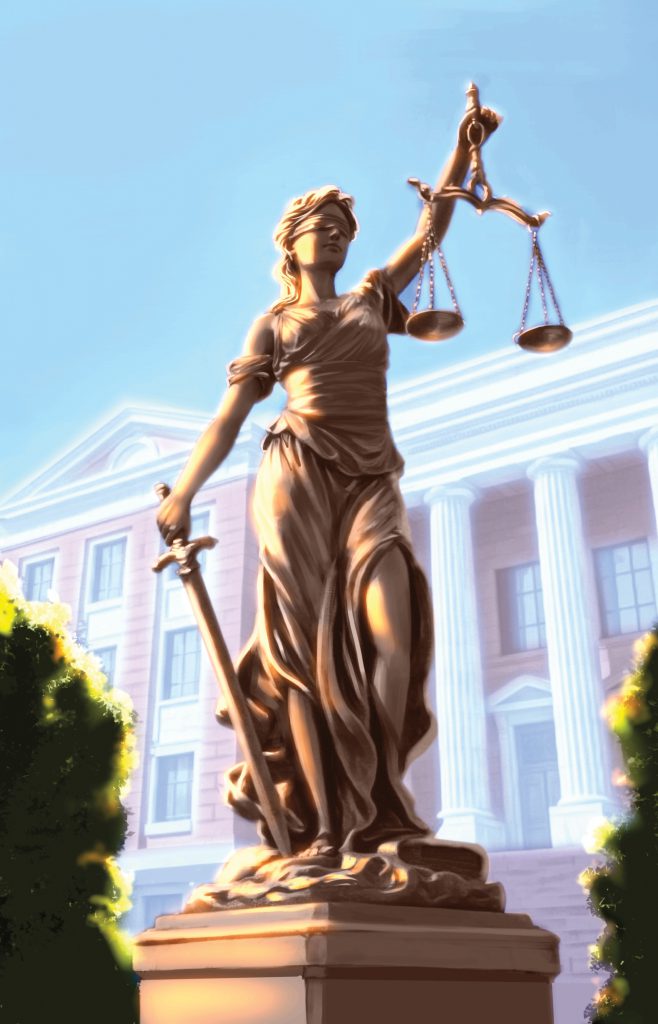
This October, we’re excited to feature Sen Li, one of our contract illustrators at Tellwell. Sen has an incredible talent for turning stories into vivid, captivating visuals that draw readers in.
Read on to get to know Sen and learn more about their creative journey.
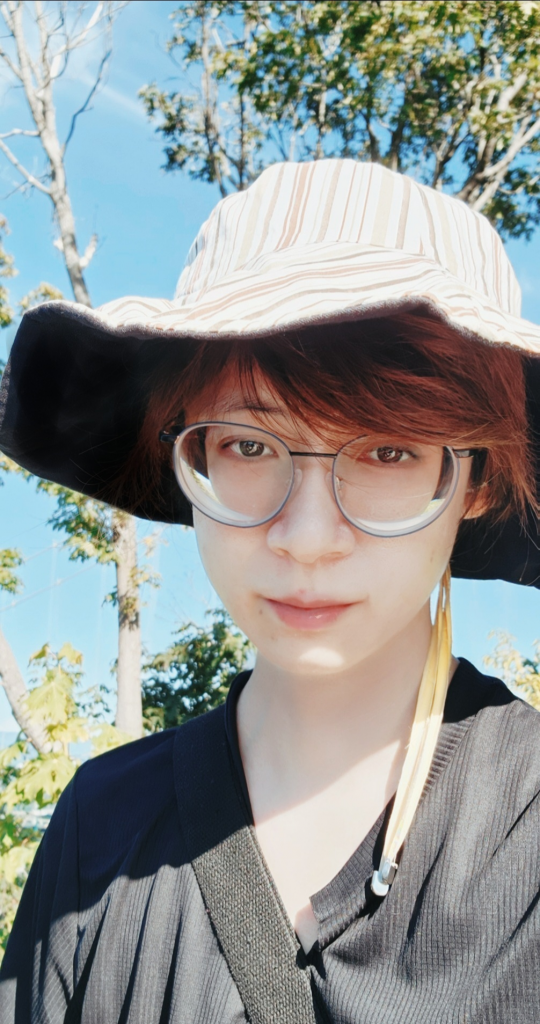
Can you tell us a bit more about yourself and your background as an illustrator?
I’ve been drawing for as long as I can remember, it’s always been the most natural way for me to express myself. I grew up in Canada, but my roots are in Taiwan, and I think that mix of cultures shows up in my work, both in the stories I tell visually and in the aesthetics I gravitate towards. I trained myself through a lot of practice, observation, and experimentation rather than a rigid academic path, which gave me freedom to shape my own style.
As an illustrator, I’m drawn to mood, atmosphere, and subtle storytelling. I want my art to feel like a single frame from a larger narrative, a glimpse into a moment that already has a history behind it. A big part of that comes from my love of manhwa, where storytelling through images is so immediate and emotionally charged. That influence shapes how I use composition, pacing, and expression to pull viewers into a scene. My background in graphic design also plays a role in how I balance composition and detail, and I’m constantly looking for ways to bridge fine art with more modern, digital expressions.
What inspired you to pursue illustration as a career, and how did you get started in this field?
Art and visuals have always been my way of communicating and expressing myself, so it wasn’t something I consciously chose as a career, it just naturally grew into one. I’m entirely self-taught, and that independence shaped how I approach my work. I learned by experimenting, observing, and constantly pushing myself, rather than following a formal structure. That freedom gave me space to develop a style that feels like mine, instead of something moulded by strict rules.
What really inspired me to keep pursuing illustration was my love of visual storytelling, especially through manhwa. The way manhwa captures emotion, pacing, and atmosphere in just a few panels showed me how powerful images can be when they’re used to tell a story. I wanted to create that same kind of impact, art that doesn’t just look nice, but makes you feel like you’ve stepped into a narrative. Starting out, I shared my work online, took small commissions, and slowly built from there. It was a lot of trial and error, but that process taught me resilience, problem-solving, and how to bring ideas to life in my own way.
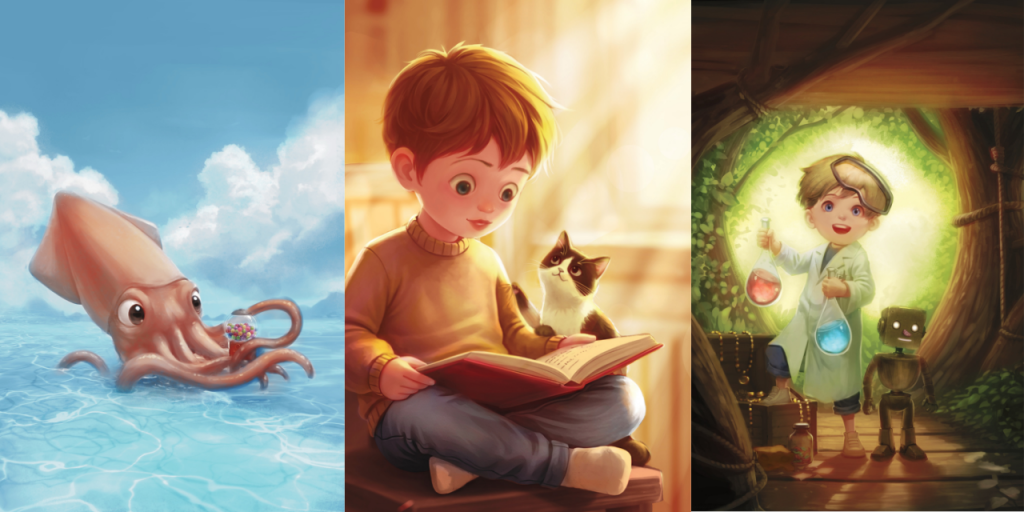
Can you walk us through your creative process? How do you typically approach a new illustration project/s?
I tend to visualise images whenever I read text or think about a concept, almost like watching a mini movie in my mind. From there, I communicate that image with a rough scribble, just enough to capture the composition and mood. Next, I refine it using a few grayscale layers to work out the forms, lighting, and depth before moving on to colour, which I usually apply through an overall filter layer to unify the piece.
That said, my process isn’t rigid. I constantly experiment and adapt as I learn from other artists, visual references, and new sources of inspiration. Some days I’ll try a completely different approach, others I’ll revisit old methods with tweaks. It’s this flexibility and willingness to explore that keeps my work evolving and helps me capture moments that feel alive and layered, rather than formulaic.
Do you have a favourite project you’ve worked on with Tellwell? What made it special to you?
I enjoyed projects that allow for a lot of artistic freedom. Those are always the most fun because I can explore ideas and experiment with visuals in ways that feel fresh and exciting with less feeling of restriction, less rigidity. At the same time, projects that hold deep personal experiences for the author are incredibly meaningful; being chosen to bring someone’s story to life, especially one with emotional or personal weight, feels like an honour. Both types of projects are special in different ways: one sparks creativity, the other creates a sense of connection and responsibility.
Every author has a unique vision for their book, how do you balance their ideas with your own creative input?
When working with authors, I always prioritise their vision first, especially when the terms of the project specify it. That said, my favourite projects are the ones that leave room for creative freedom, where descriptions are vague or open-ended. Those are the projects where I can fully explore my own ideas and push the imagery in unexpected directions, blending the author’s vision with my own sensibilities. I see it as a collaboration: respecting the framework they provide while finding moments where my style and interpretation can add depth and nuance.
What’s the most rewarding part of working as an illustrator for authors and their stories?
The most rewarding part is seeing an author’s vision come to life—from that first concept or vague description to a tangible, finished illustration. There’s something incredibly satisfying about taking an idea that existed only in words and imagination and turning it into a visual moment that others can experience. When everything comes together — the composition, the mood, the characters — it feels like I’ve helped make a small piece of someone else’s world real. That transformation, from abstract concept to something concrete, is what keeps me passionate about this work.
When you face creative challenges or blocks, how do you overcome them?
When I hit a creative block, I usually turn to other media for inspiration, such as manhwa, shows, movies, or video games. Experiencing stories and visuals I enjoy often sparks ideas, and a visual image will start to form in my mind, giving me a direction to explore. Another method I use is music: playing tracks that match the theme or mood of the project can help me immerse myself in the atmosphere and visualize a scene more clearly. For me, creativity isn’t about forcing it; it’s about surrounding myself with stimuli that naturally bring the image to life.
What advice would you give to authors who are collaborating with an illustrator for the first time?
My advice would be to share the general idea, mood, or key details of the scene or character, but then give the illustrator room to interpret the artistic aspects—things like composition, perspective, palette, and pacing. Collaboration works best when the author provides guidance without over-specifying every visual choice. Trusting the illustrator’s eye allows the art to complement and enhance the story, often in ways you might not have imagined.
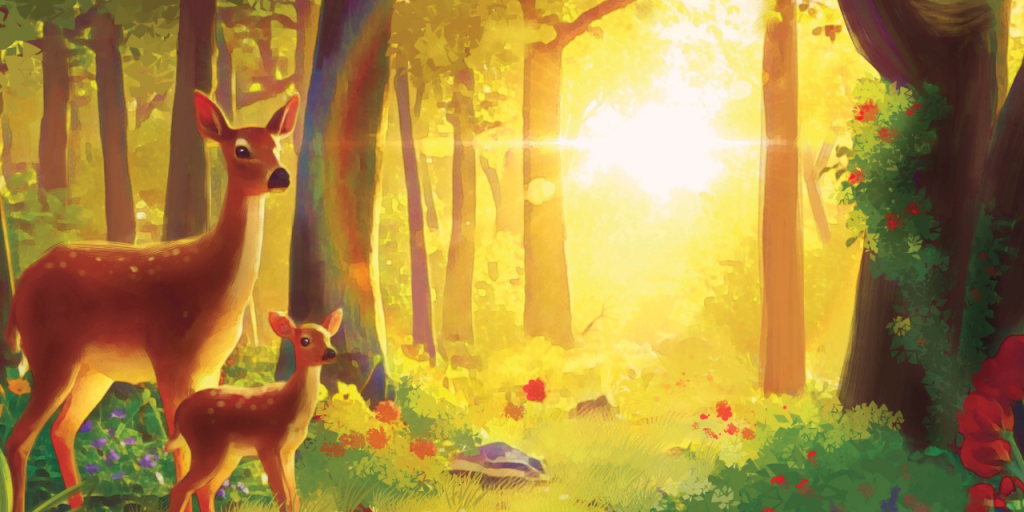
Are there particular art styles, genres, or themes you especially enjoy working with?
I particularly enjoy working with Asian media styles. They feel familiar to me and offer a lot of versatility in storytelling, allowing me to create visuals that appeal to a wide range of audiences and ages. I love how these styles can balance emotion, atmosphere, and narrative clarity, which makes them both enjoyable to work in and effective for conveying a story without isolating age groups by seeming too comical for more mature audiences or too serious for younger audiences.
Lastly, what excites you most about being part of the Tellwell team and helping authors bring their books to life?
What excites me most about being part of the Tellwell team is the opportunity to help authors see their stories take shape visually—from a concept in their mind to a finished illustration that readers can experience. I love being part of that collaborative journey, where ideas transform into tangible, immersive moments. Every project is a chance to explore new stories, experiment creatively, and contribute to bringing someone else’s vision to life in a way that’s both faithful to their intent and enriched by my own artistic perspective.