Moonbeam Award Winner Shares the Personal Journey Behind a Beloved Three-Legged Hero
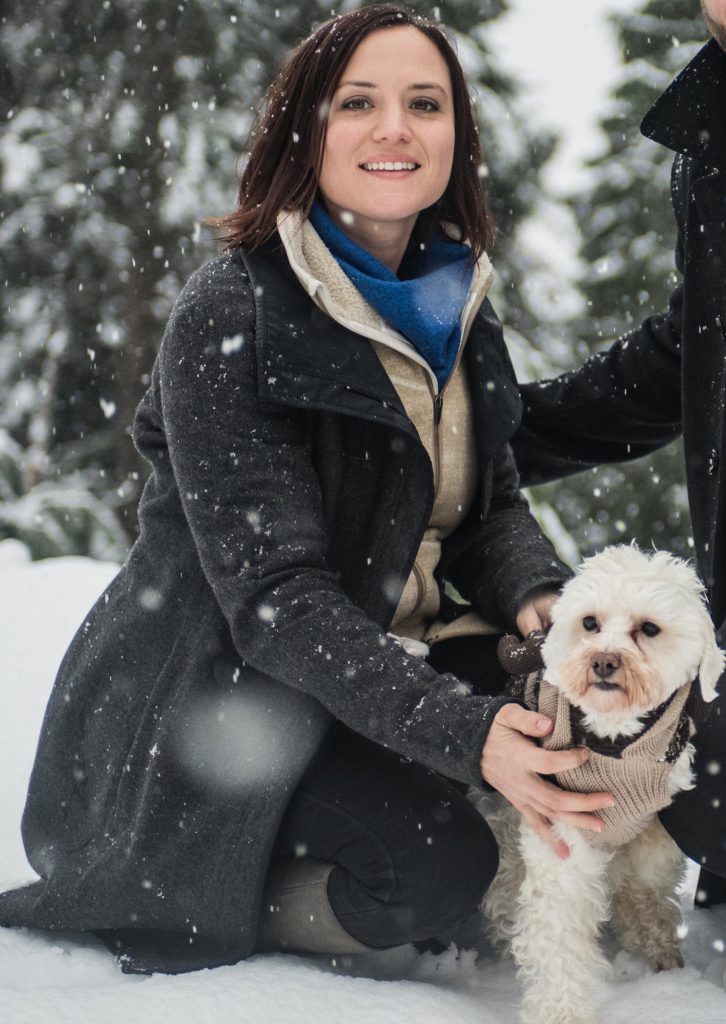
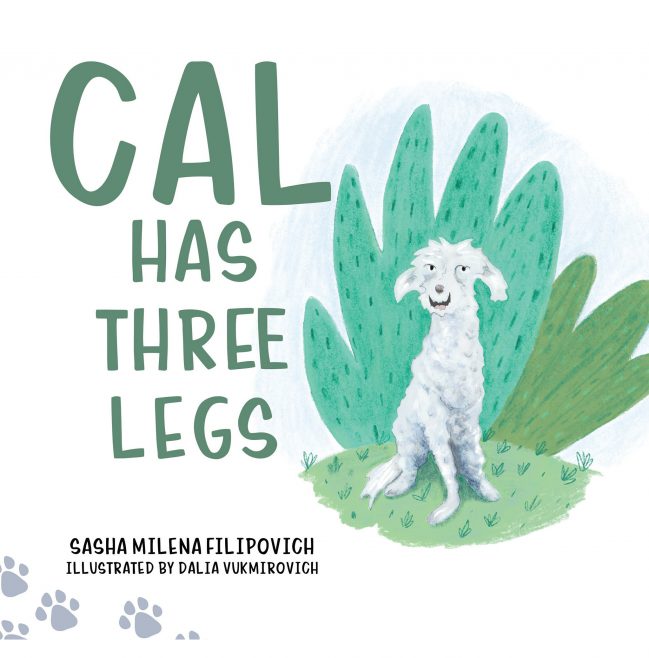
In this interview, Sasha Filipovich, author of Cal Has Three Legs, shares how her real-life rescue dog became the inspiration behind her first picture book. What began as simple, curious questions from children grew into a story about humor, self-acceptance, and approaching differences with openness.
“Tell the story you want to tell, and hold onto your vision.”
Sasha Milena Filipovich
Sasha talks about how her background in journalism, dance, and film influenced her storytelling, and how working closely with illustrator Dalia Vukmirovich helped shape the book’s visual and emotional tone. She also reflects on the patience and persistence required to bring a picture book to life.
She discusses what it meant to receive a Bronze Moonbeam Award and her experience publishing with Tellwell, and offers practical advice for authors creating their first children’s book.
What inspired you to turn Cal’s real-life story into a children’s picture book?
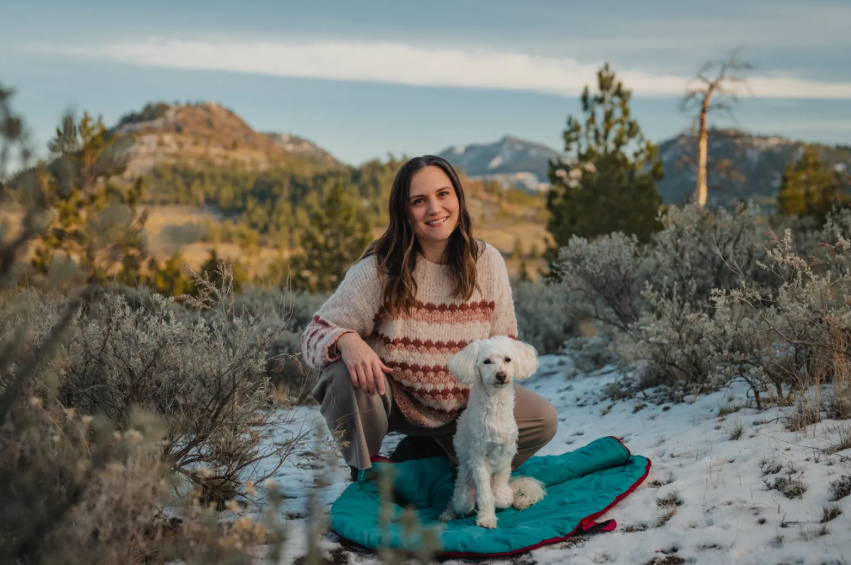
Cal and I found each other in 2013 while I was living in Long Beach, California. He turned out to be a quirky little rescue dog and one of the best decisions I’ve ever made. When we walked around the neighbourhood, people always reacted to his presence, whether it was a funny look, a smile, or the constant question, “What happened?”
Children were usually the most perplexed and would innocently ask, “Where is his leg?” After answering that question hundreds of times over the years, I started responding with humour. I’d say, “I don’t know where it is. He must’ve left it at home,” and then give them a big smile. People often feel sorry for him, and the humour helps lighten the situation.
That’s really where the book came from: a desire to help children understand that Cal doesn’t see himself as missing anything. He’s simply a happy, healthy dog, and always has been. Along with the lesson of self-acceptance.
How did your background in journalism, dance, and film influence the way you told this story?
All three disciplines taught me about storytelling and the power of leading with what feels genuine and honest. My background in dance and film especially shaped the visual approach to the book. I thought about the story in terms of “scenes,” which allowed the illustrations to truly shine rather than explaining everything through text.
Winning a Bronze Moonbeam Award is a major achievement, especially for a first time author. How did it feel to take home such a significant honour right out of the gate?
Cal Has Three Legs was many years in the making. I paused the project during pregnancy and while my daughter was a baby, so simply finishing the book and putting it out into the world already felt like an achievement. Winning a Bronze Moonbeam Award was an incredible honour and a huge confidence boost, especially as a first-time author. I’m proud that my illustrator and I didn’t give up, didn’t rush the process, and allowed ourselves the time the book needed to become what we envisioned.
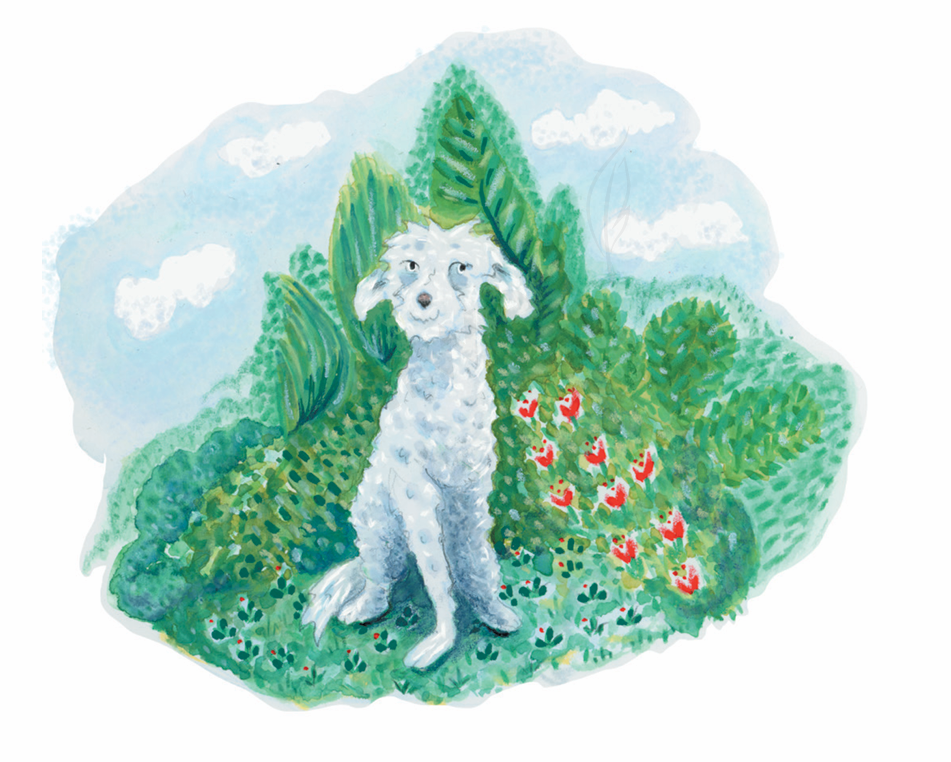
Can you share how you and illustrator Dalia Vukmirovich collaborated to bring Cal’s personality to life on the page?
Dalia and I were actually neighbours in East Vancouver, so our collaboration started very naturally. It was important to me that the illustrator had a real connection to Cal, and since Dalia knew him personally, she could capture his spirit in a way that no one else could.
We spent a lot of time refining Cal’s look together until his quirks and emotions felt just right. But she also brought so much of our shared world into the book. Cal and I used to see raccoons and skunks on our walks, and she turned those memories into characters. Like the raccoon couple running the general store. She even added whimsical details I hadn’t thought of, like the “U-Catch Goldfish” sign. We included a “Cal’s Pals” spread at the end, where Dalia interpreted photos of Cal’s real-life friends from my mood boards.
I was set on using limited digital art in the book, and Dalia’s purist style using gouache and pencil was a perfect medium to ground the story. The process naturally took longer than a digital approach, but that extra time resulted in a depth and authenticity that digital tools cannot always replicate.
What was your favourite part of the publishing process with Tellwell?
My favourite part was definitely the editorial review. Writing in rhyme is deceptively difficult, and I hit a few significant roadblocks trying to maintain the rhythm without sacrificing the conciseness of the story. The editors at Tellwell were instrumental in helping me refine those verses and, most importantly, identifying how to craft a much stronger, more impactful ending. It’s the most essential part of the process, and I would highly recommend that service to a first-time author (and even seasoned authors).
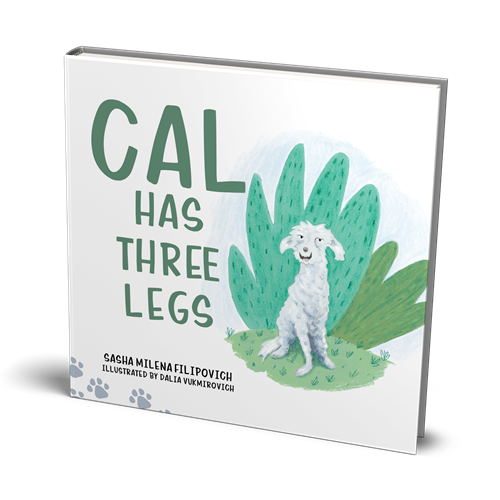
Do you have any advice for authors hoping to create their very first picture book?
Tell the story you want to tell and hold onto your vision. Create mood boards with the characters and visual styles you are drawn to so you can clearly communicate your vision to your illustrator. At the same time, remain open-minded, because an illustrator will bring their own creative ideas to the table.
Sasha’s website: www.sashamilena.wordpress.com
Sasha’s IG: www.instagram.com/storytime_sasha
Dalia’s website: www.daliadraws.com
Dalia’s IG: www.instagram.com/vuksbooks