Motherhood & Moving Forward: Inside Waterproof Mascara
Comedy doesn’t minimize trauma; it makes trauma survivable by giving you a different lens to view it through.
Neroli Hajinakitas
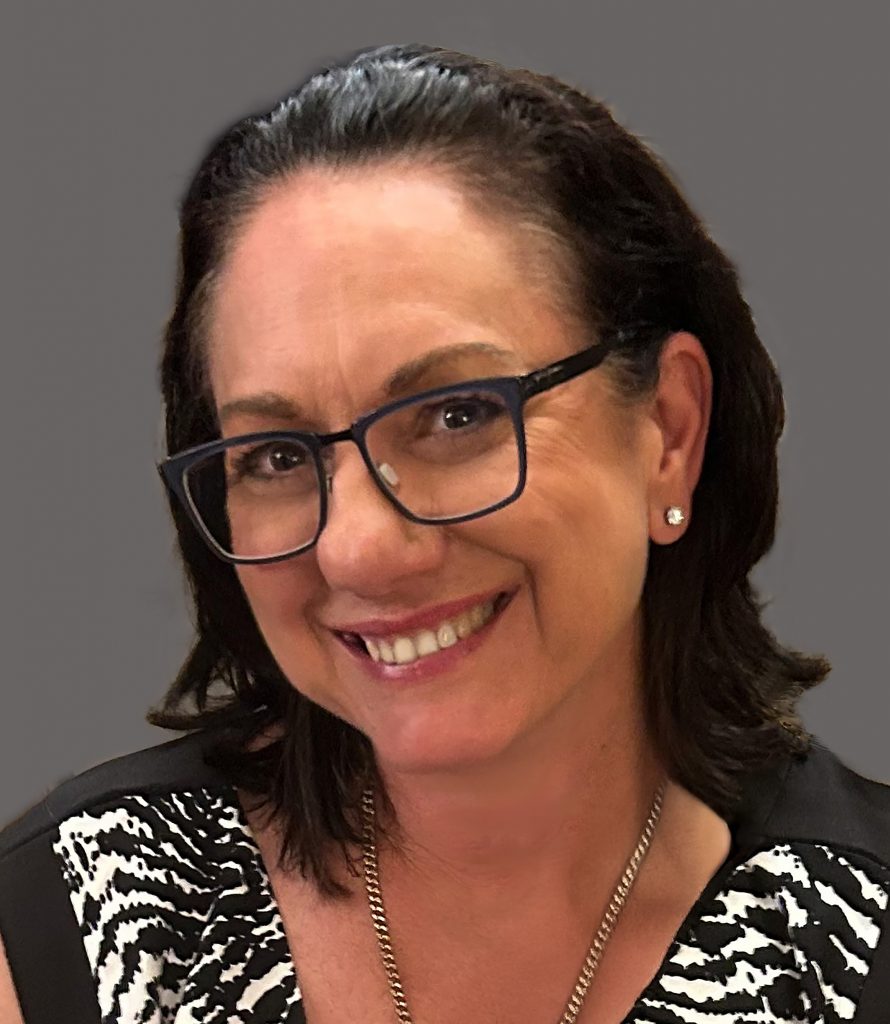
In this interview, Neroli opens up about writing through adversity and transforming personal struggles into comedy that resonates with readers. From the unforgettable “share house” to the truth behind the “Instagram version” of parenting, Waterproof Mascara reminds us that sometimes laughter is the best medicine.
With Mother’s Day around the corner, Waterproof Mascara feels like an honest and funny celebration of motherhood in all its chaos and unpredictability. What inspired you to write so openly about the realities of raising children, rebuilding your life, and finding humour in the messiest moments?
It started during a high-conflict divorce. My psychologist suggested journalling. I laughed—but I did what was asked. After the divorce was finalized following two and a half years of living hell, I kept journalling, but shifted focus to the comical things happening around me. Rebuilding meant redefining everything—from “wife” to “share-house maid,” from married to mortgage-holder, from couple to solo parent. In my fifties, living in what felt like a share house with teenagers and young adults, I’d lost my authority as a parent and become their maid. Far better than the slave I’d been whilst married, but that’s another story entirely.
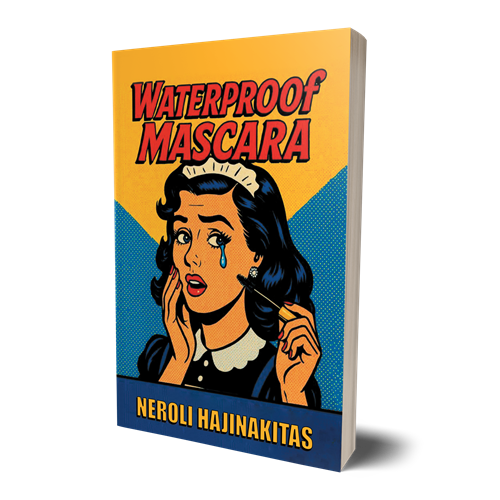
The “share house” characters feel vivid and memorable. How much of their personalities came directly from real life, and how much was heightened for comedic effect?
The share house characters’ personalities are exact, with a little colour here and there for comedic effect. I’m known for telling a good story, but all stories need embellishment. The working title was Hyperboles of a Maid, which says it all really. The Knight, Thumbelina, the Little Prince, Wilma Washer, Doris Dishwasher—they’re all absolutely real. I’ve just given them the narrative treatment they deserve.
Your journey from struggling with dyslexia to becoming a published author is remarkable. How did past challenges shape your approach to writing a book?
By teaching me that there’s always another way to learn. I couldn’t read until I was twenty—labelled “stupid” throughout school—but completing my degree in adult education showed me alternative pathways exist. Learning about how adults overcome learning difficulties whilst simultaneously overcoming my own gave me unique insight into making complex ideas accessible. The degree taught me academic writing initially, but dyslexia taught me creative problem-solving—finding different routes to the same destination.
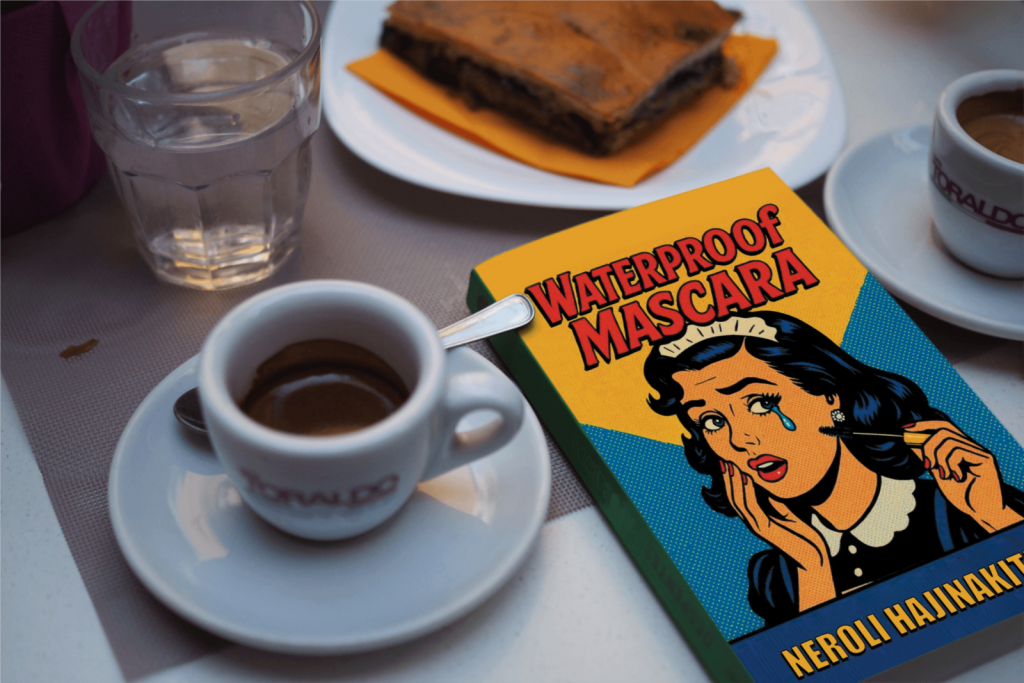
Do you find writing comedy helps you process difficult experiences differently than more serious reflection would?
Absolutely. Writing comedy processes difficult experiences differently than serious reflection because humour creates analytical distance whilst maintaining emotional honesty. Serious reflection can spiral into dwelling; comedy forces you to find the absurd angle, which is actually more truthful about how we survive impossible things. Finding the positive in what feels overwhelming aids traumatic recovery—my psychologist is now using my book as recommended reading for women struggling with similar situations. Comedy doesn’t minimise trauma; it makes trauma survivable by giving you a different lens to view it through.
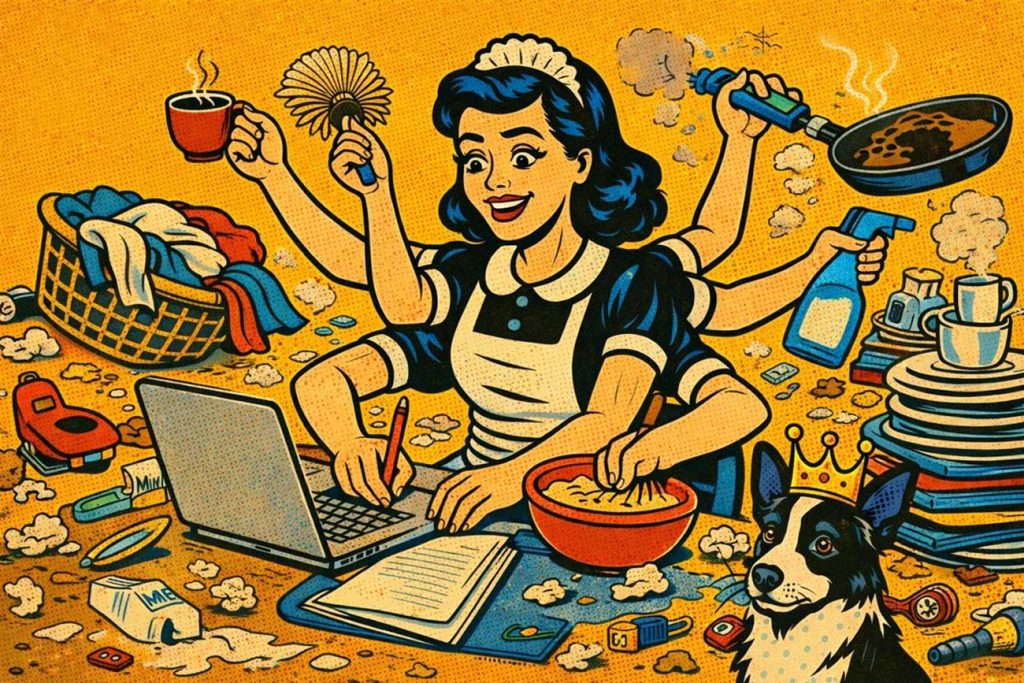
Readers will likely see a bit of themselves in the beautifully messy moments throughout the book. What do you hope parents and families take away from reading Waterproof Mascara?
I hope parents and families take away the ability to sit back, laugh, and know that we all have the same struggles. The Instagram version of parenting is a lie. The reality is dishes that don’t self-clean, teenagers who believe Wi-Fi is a human right, and washing machines that hold grudges. If my mess helps someone else feel less alone in their mess, that’s the whole point. Good enough is genuinely good enough.
What was the biggest thing you learned during the publishing process that surprised you?
That writing the manuscript is the easy bit. What happens behind the scenes to publish a book is a whole new world—interacting with editors, cover designers, interior designers, organizing book launches, navigating marketing, understanding the world of online publishing . . . who would have known so much was involved? I loved every minute, even the stressful parts. Turns out getting a book from brain to bookshelf requires an entire village of professionals who understand things like ISBN numbers and metadata that I still don’t fully comprehend.


